3D technology allows real estate agents to offer immersive virtual tours, reducing travel time and filtering interested clients. A clear example: an apartment in Madrid is toured in 3D from home, showing each room with real measurements. This saves time and avoids showing the property to curious onlookers. The necessary programs are Matterport for scanning, SketchUp for modeling, and Unreal Engine for real-time renders.
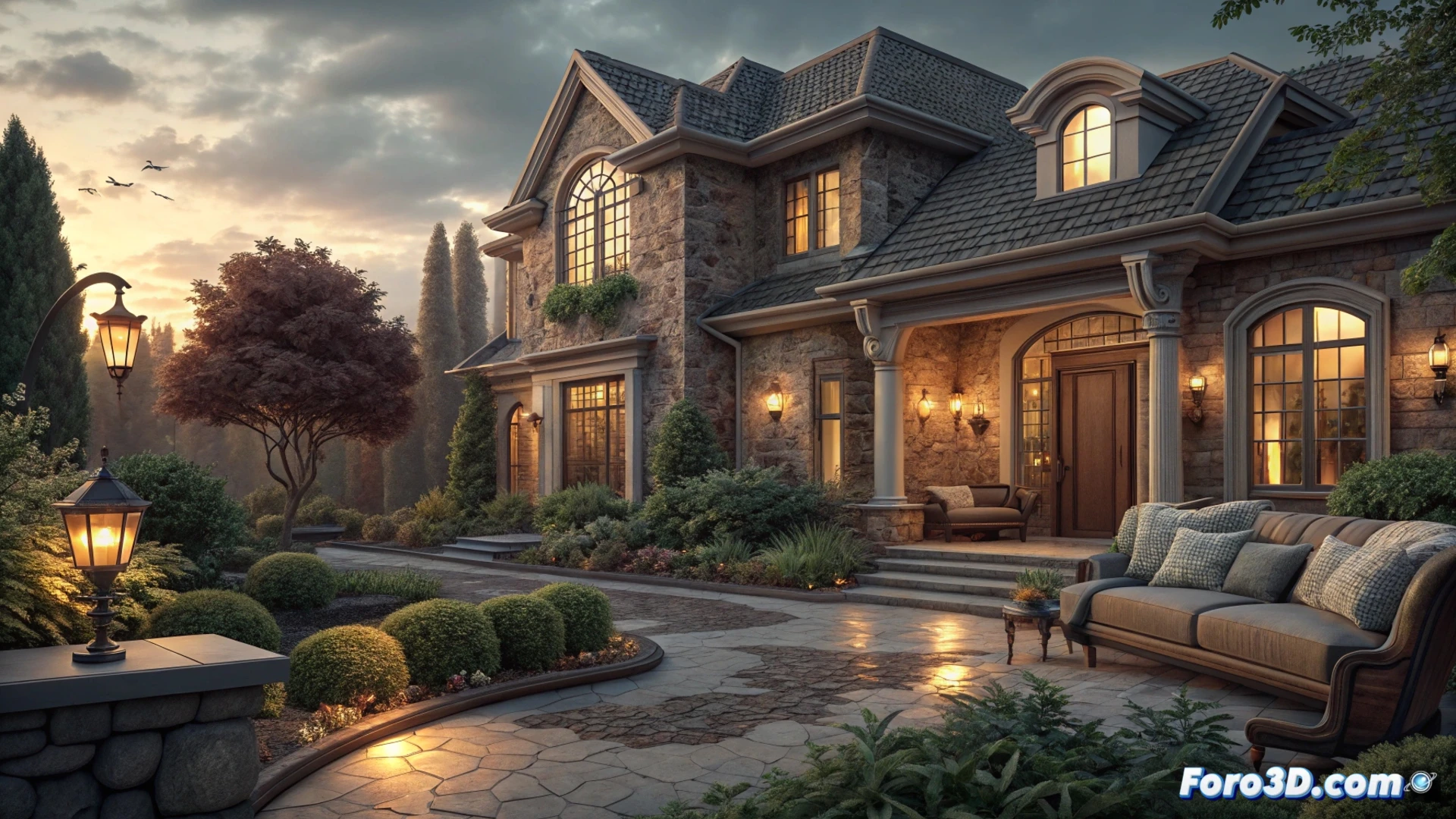
Laser scanning and renders to close sales remotely 🏠
With a scanner like the Matterport Pro2 or a 360 camera like the Ricoh Theta Z1, spaces are captured in high resolution. Then, software such as Autodesk Revit or Blender allows correcting imperfections and adding virtual furniture. The result is published on platforms like Kuula or Matterport Cloud, where the client navigates freely. This eliminates misleading photos and gives confidence to the buyer, who sees the actual layout before setting foot in the property.
When the virtual apartment is more real than the real one 😂
The funny thing is that some agents spend so much time modeling in 3D that the real apartment later looks like a cheap copy. The client arrives, looks at the crooked walls, and asks if they can live inside the render. And yes, sometimes the virtual sofa looks better than the one they have at home. But hey, as long as the mortgage gets paid, it's no problem if the apartment is a video game set.