The Villeta plant, in Paraguay, is betting on a model that avoids dependence on natural gas and sidesteps the geopolitical conflict of the Strait of Hormuz. Its goal is to produce fertilizers for global food security using local and renewable resources. A direct alternative to traditional supply routes.
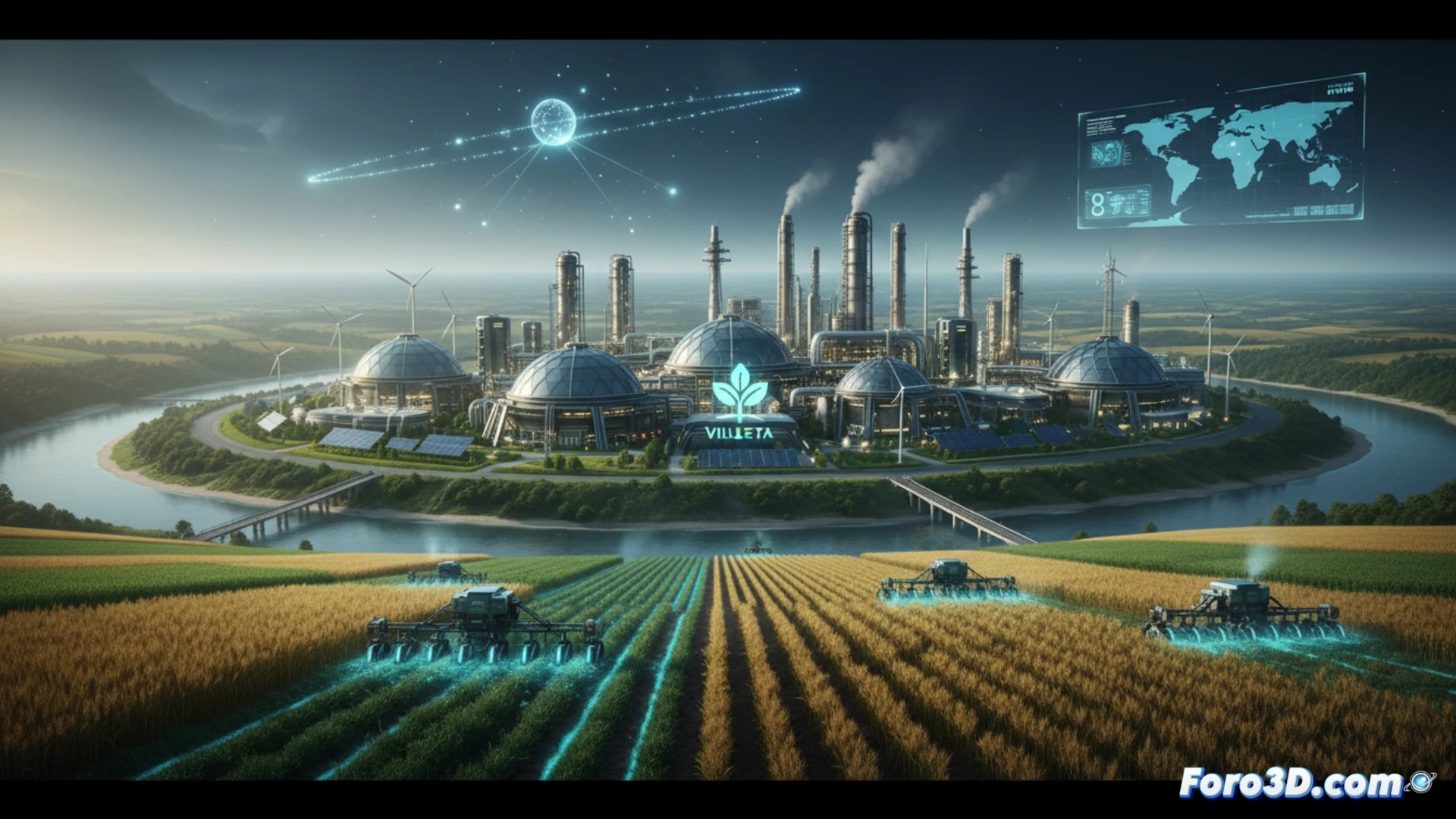
Electrolysis and biomass to replace Russian gas ⚡
The key technology is electrolysis to obtain green hydrogen, combined with biomass as a carbon source. This avoids methane reforming, a typical process that uses natural gas. The resulting ammonia serves as a base for nitrogen fertilizers. The system reduces the carbon footprint and eliminates exposure to gas market fluctuations and blockades in the Persian Gulf.
Goodbye to sheikhs, hello to cassava 🌱
While half the world prays that no Iranian drone bothers the oil tankers, Villeta uses what it has on hand: water, electricity from dams, and cassava leftovers. Without needing to risk its neck in the Strait of Hormuz. The plan is so sensible it almost seems like a joke: making fertilizer without depending on whoever can shut off the gas tap.