John Travolta has made his directorial debut at the Cannes Film Festival with Come Fly with Me, a film that narrates the journey of a boy passionate about aviation in 1962. With a fairy tale tone and a slow pace, the film seeks to move away from today's cynicism. Travolta defends a more innocent and optimistic perspective, reflecting his own love for flying.
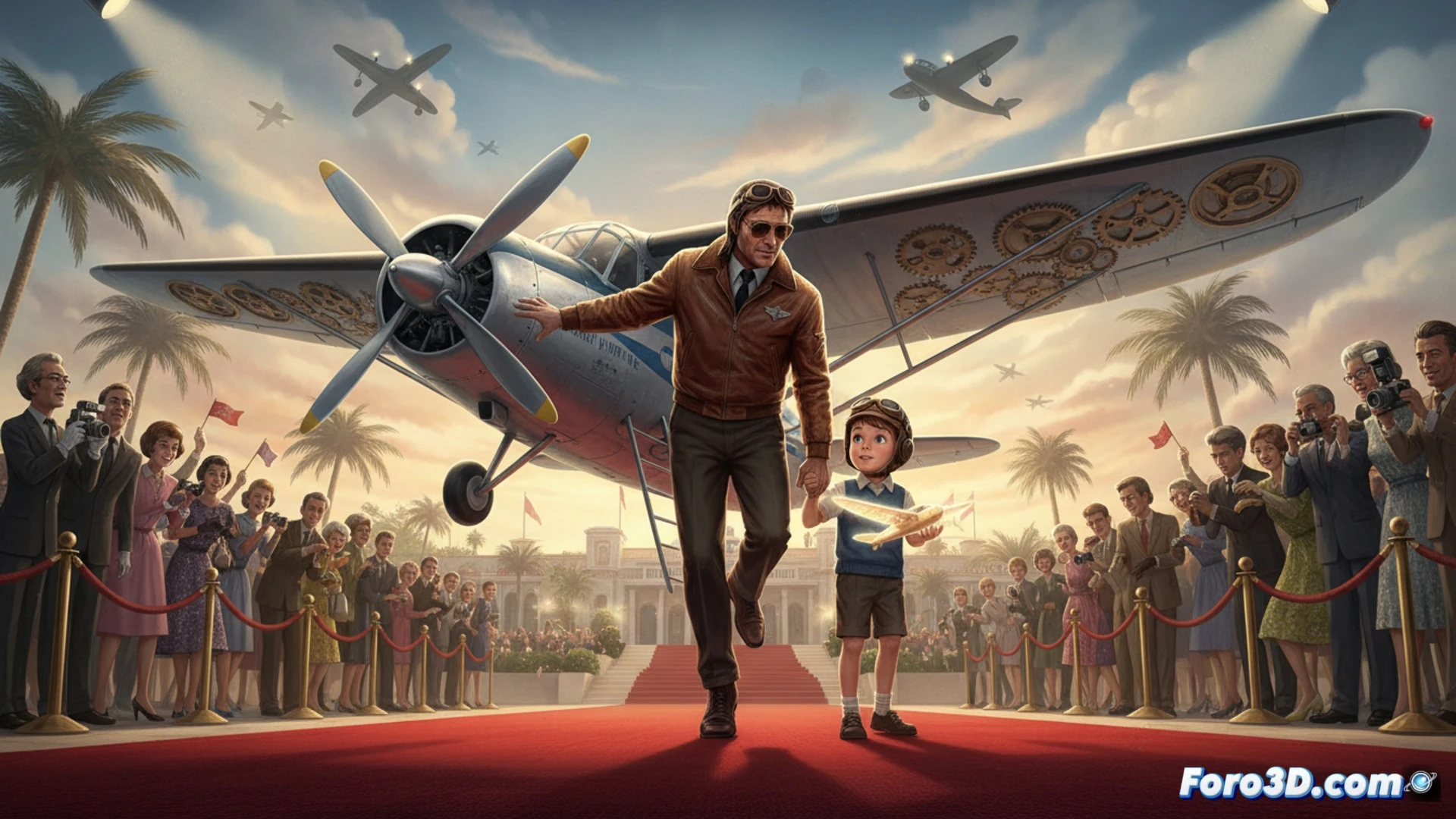
The Analog Flight: How to Shoot Without Digital Effects in the CGI Era ✈️
To achieve the 1962 aesthetic, Travolta chose to shoot with film cameras and full-scale models of aircraft from that era. Three restored planes and a replica of a regional airport were used. Post-production avoided massive CGI, prioritizing practical effects such as transparencies and painted backgrounds. The result is footage with a grainy texture and a color palette reminiscent of 1950s Technicolor.
And in the Next Seat, the Autopilot of Nostalgia 🛩️
Watching Travolta direct a story about a boy crossing the United States by plane is like watching a retiree teaching someone how to use a GPS with a paper map. The director assures that the world needs less cynicism, but one can't help but think that, given the cost of real airplane fuel, innocence is more expensive than a first-class ticket. At least, no one will complain about the in-flight service.