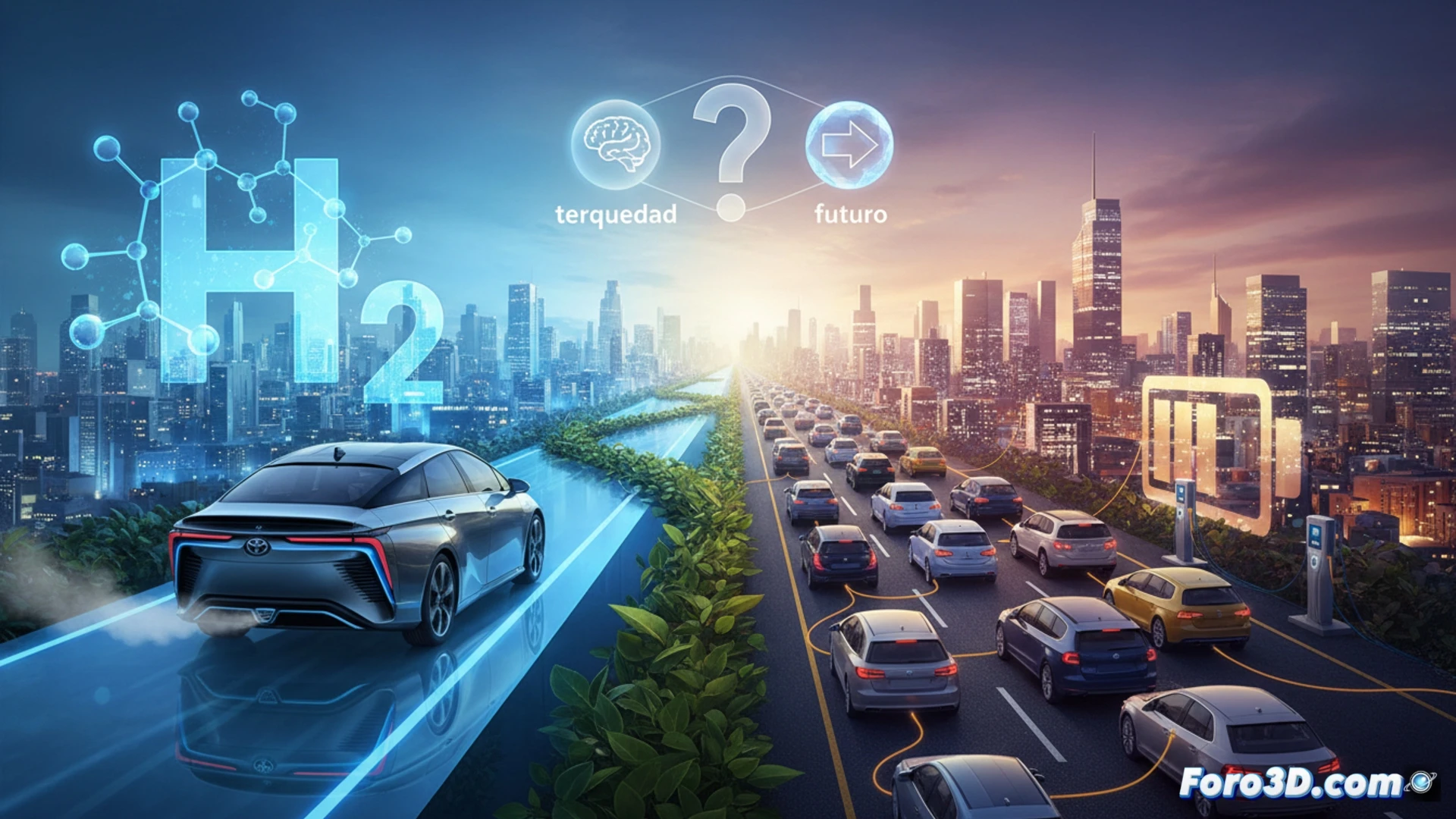
While the electric car grabs headlines, Toyota maintains its bet on hydrogen with the Mirai. This fuel cell vehicle converts H2 into electricity and only emits water vapor. However, market reality and infrastructure raise questions about its real viability for light transportation.
The complex engineering of hydrogen as fuel ⚙️
Green hydrogen production requires electricity for electrolysis, a process that loses energy at every step. Storing it demands cryogenic or high-pressure tanks, which increases the vehicle's cost. Additionally, its transport in trucks or pipelines is expensive and dangerous due to its high volatility. For every kilowatt used, only a fraction moves the Mirai's wheels.
The master plan: refuel on Mars before your neighborhood 🚀
Toyota seems to design the Mirai thinking about a hydrogen station network that doesn't yet exist. It's like selling a coffee maker that only works if you grow coffee in your garden. Meanwhile, fuel cell drivers spend more time looking for where to fill the tank than driving. Luckily, the water vapor at least serves to water the neighbor's plants.