In 2016, Star Trek Beyond landed in theaters with a global box office of $343 million against a budget of $185 million, figures that Paramount considered insufficient. However, over the years, the film directed by Justin Lin has climbed in the hearts of fans, standing out for its respect for the original spirit of the series and a more cohesive script than its predecessors.
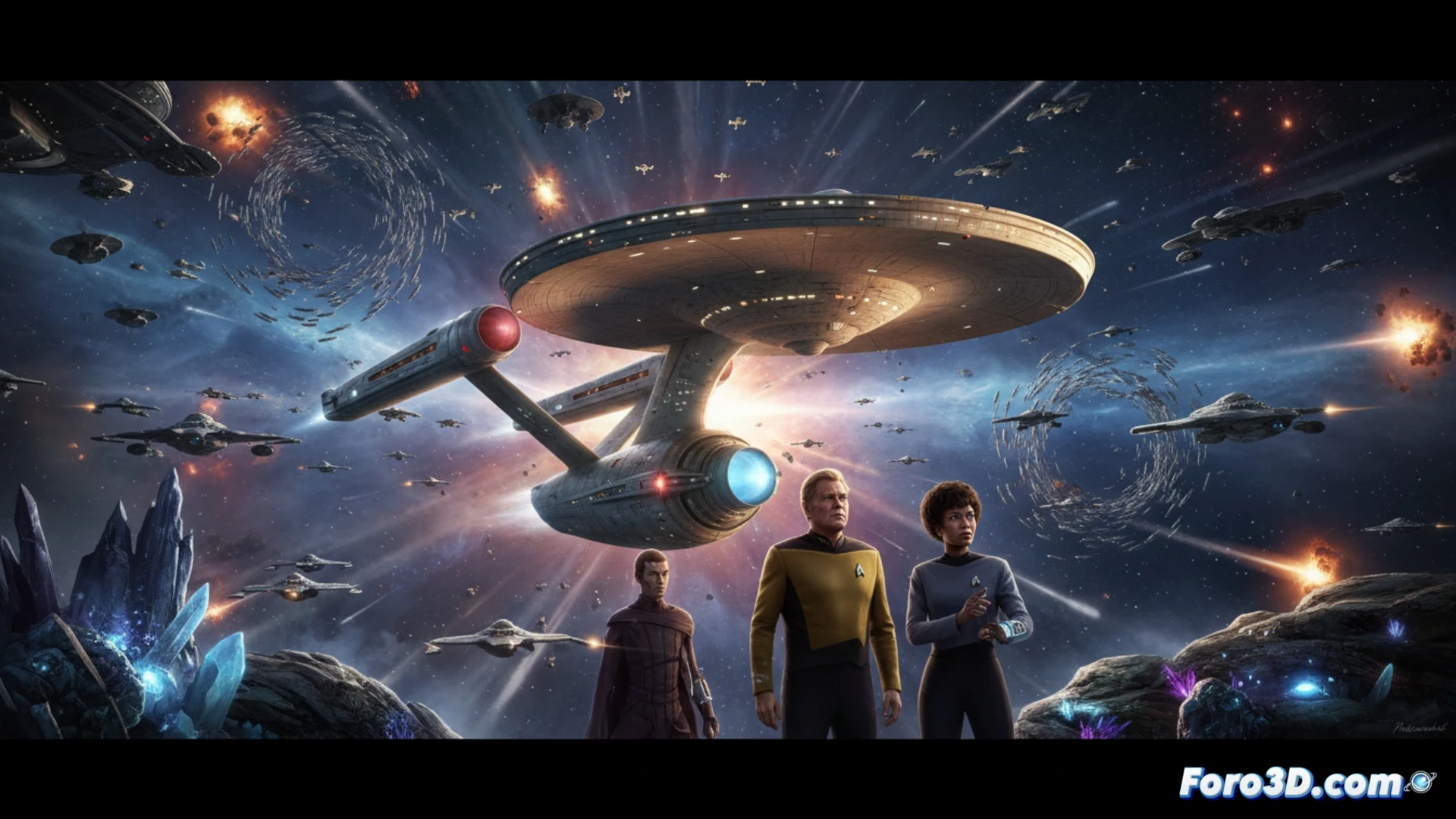
The narrative warp engine that saved the Enterprise 🚀
Beyond solved the problem of excessive empty visual effects that plagued Star Trek Into Darkness. Lin opted for a slower editing pace for dialogue scenes, combined with sequence shots in space battles that recalled the choreography of the classic series. The design of the Yorktown station demonstrated a smart use of artificial gravity, while the villain Krall offered a solid ideological conflict, moving away from clichés of simplistic revenge.
When the 50th anniversary almost ended in a blue screen 🖖
Paramount celebrated the franchise's 50th birthday with a film that, according to executives, was supposed to be an infallible blockbuster. But the public preferred to watch the seventh installment of Fast & Furious that same summer. Ironically, Beyond's homage to the original series, with cameos from the classic cast and the Beastie Boys song, ended up being more valued by those who grew up with Kirk and Spock than by teenagers looking for explosions. Sometimes, celebrating the past is a risk that doesn't pay at the box office, but wins in legacy.