Maxon has updated Redshift to version 2026.6, introducing a hexagonal tiling system for textures. The novelty aims to reduce visible repetitions by organizing maps in a hexagonal grid, instead of the conventional square one. Each tile is randomly placed, rotated, and scaled, blending together to achieve a seamless finish. It is ideal for surfaces like bricks or scratches, but avoid normal maps and the Smart Bake feature.
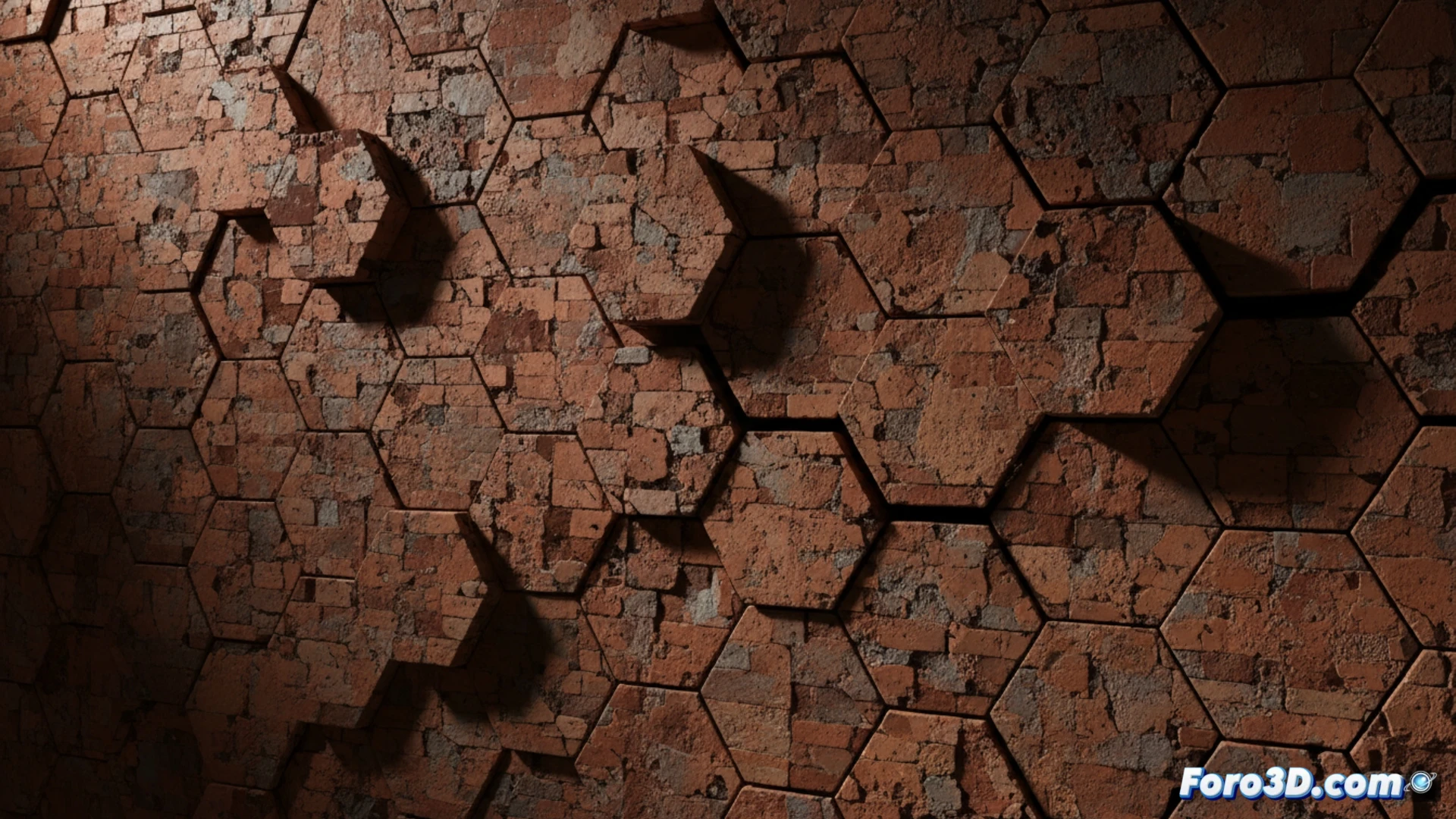
How hexagonal tiling works in the renderer 🎨
The system divides textures into hexagonal tiles with randomized parameters for position, rotation, and scale. Then, it blends them to create a uniform look, eliminating repetitive patterns at right angles. This technique is effective for surface imperfections and textures without orthogonal alignment, such as stones or dirt. However, it is not compatible with normal maps or the Smart Bake feature, limiting its use in certain advanced VFX and architectural visualization workflows.
Goodbye to repetitive patterns, hello to crazy hexagons 🔄
Finally, Redshift decides squares weren't modern enough and switches to hexagons. Because nothing says revolution like changing the shape of your tiles so bricks don't look like poorly made clones. Of course, if you use normal maps or Smart Bake, better forget it: this feature is like that friend you don't invite to the party because they always break something. But for scratches and dirt, it works wonders.