The dilemma is not new, but it hurts more every year. While defense budgets grow unchecked, public health waiting lists get longer and classrooms fill with students lacking resources. It is a political choice that deepens social divides and fuels a cycle of tensions where the most vulnerable always lose.
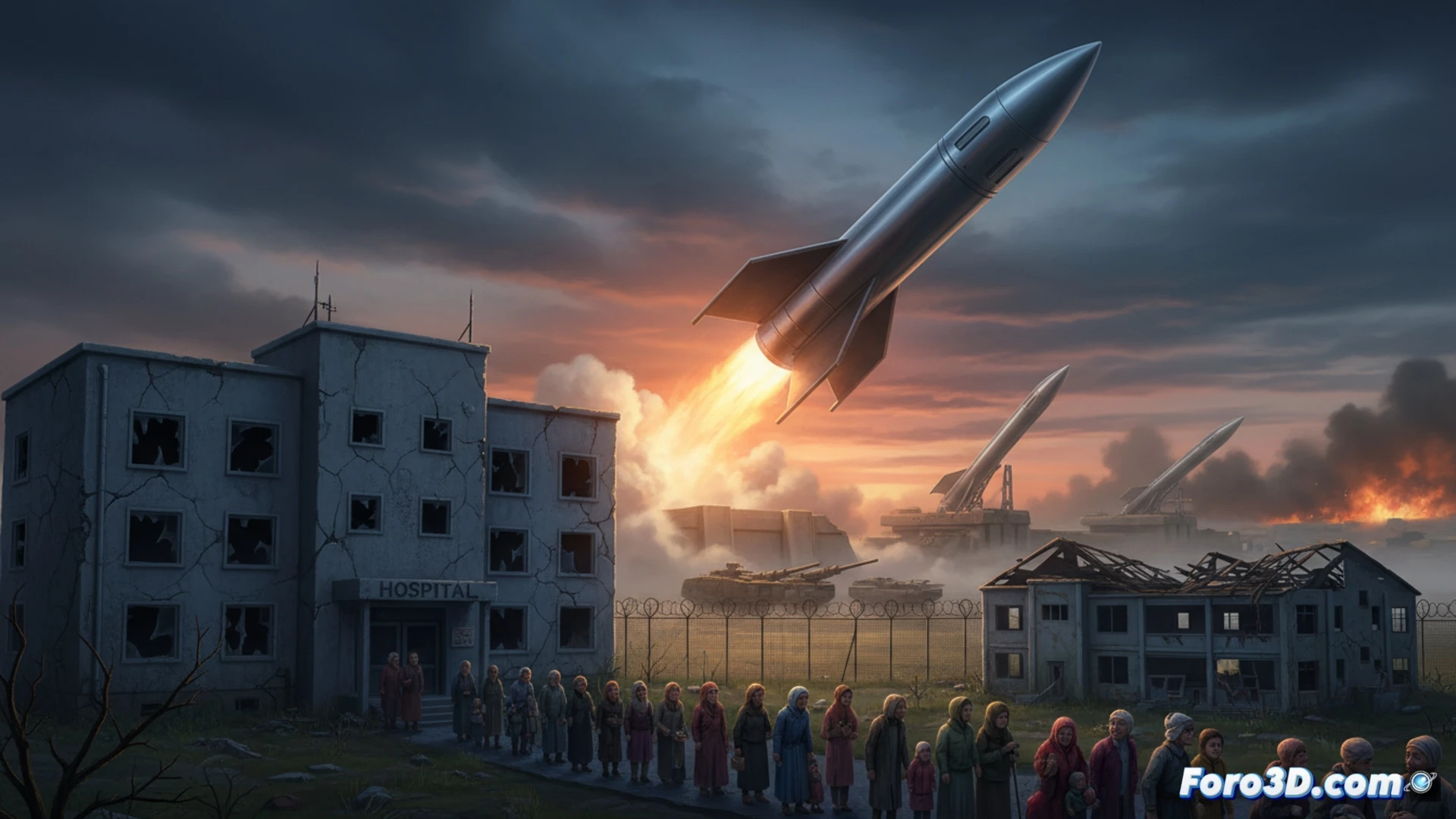
The opportunity cost of weapons technology 💰
A next-generation stealth fighter costs the same as a thousand equipped ICU beds for a decade. Anti-missile defense systems consume in one year the training budget for one hundred thousand teachers. It is not about eliminating defense, but about applying social return metrics: every euro spent on armaments should demand another euro for civil infrastructure. A prioritization algorithm would not fail as much.
New tank, outpatient clinic under construction (and vice versa) 🏥
Someone in some ministry must think that a missile cures colds or that an aircraft carrier teaches literacy. Because there is no explanation for why, while millions lack drinking water, there is a budget to seal borders with surveillance drones. Perhaps the next model of battle tank will come with a first aid kit included, so that at least it can be useful when hospitals fail.