The Romería de San Isidro in the Las Peralosas area of Malagón had an extra incentive this year. Local artist Manuel Herencia presented an exhibition of plastilina figures that captured the attention of attendees due to their meticulous detail. Far from being a simple hobby, the pieces demonstrated a level of creativity that elevated the profile of the traditional event.
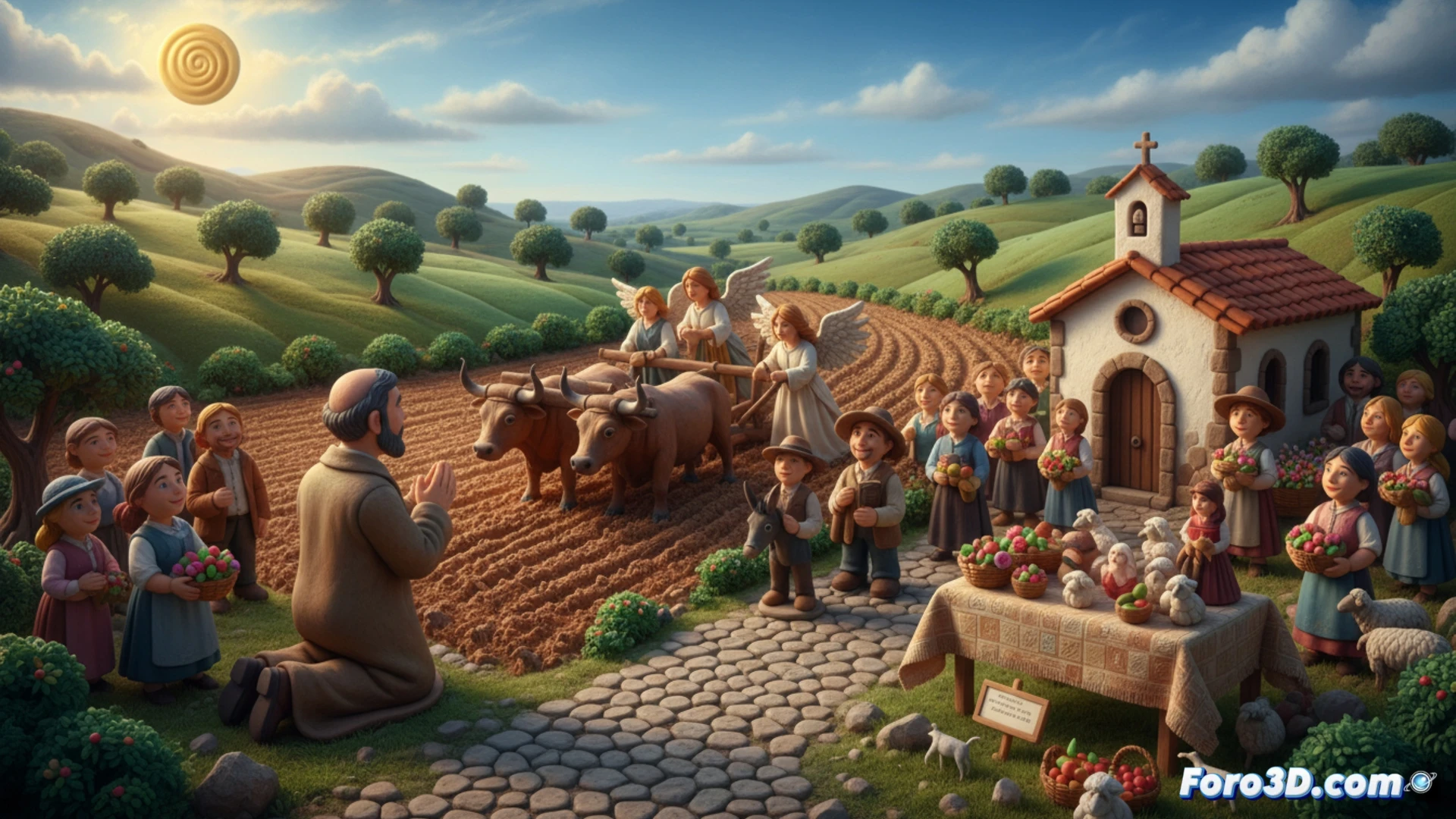
Digital vs. manual modeling: the technique behind plastilina 🎨
While digital art advances with 3D sculpture and modeling software, Herencia opts for manual work with plastilina, a malleable material that demands precision and patience. Each figure requires successive layers and basic tools such as modeling tools or toothpicks. The absence of digital retouching forces corrections on the fly, something that contrasts with the total control offered by programs like Blender or ZBrush. It is pure craftsmanship in a world of polygons.
The artist who competed with bread and wine 🍷
Herencia's exhibition achieved something difficult: making people look away from their tortilla sandwich. While the pilgrims queued to see the figures, the wine stalls noticed an unexpected drop in sales. Some joked that plastilina is not edible, but at least it doesn't give you a hangover. In the end, San Isidro blessed both art and beer, although the latter lost prominence for a few hours.