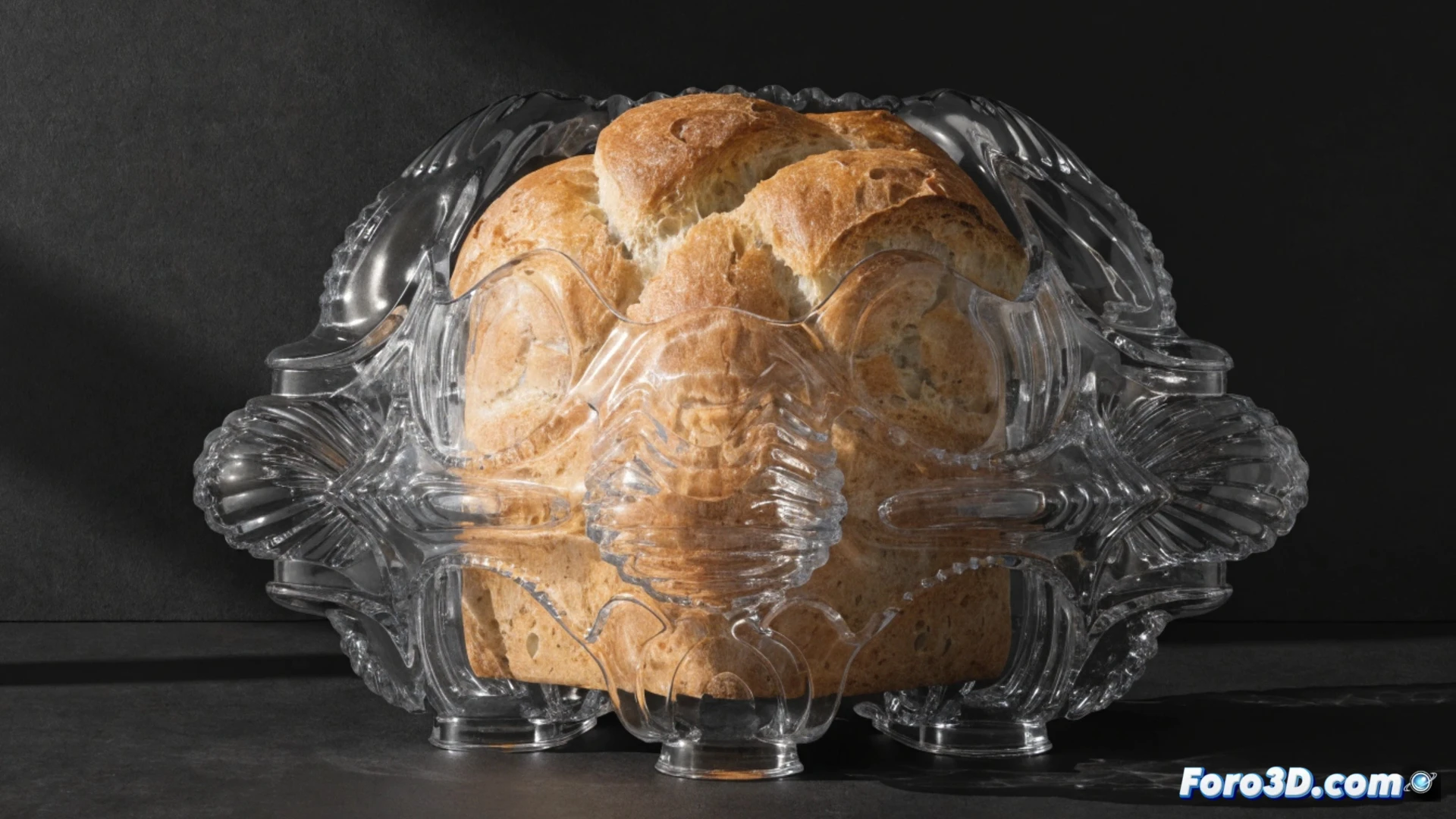
3D technology is not only useful for plastic or metal parts. In baking, it allows for creating custom molds, pastry tools, and even chocolate pieces with impossible shapes. A baker can design a mold with ventilation channels for even baking, something a traditional mold cannot achieve. The result: loaves with complex shapes and a more homogeneous crumb.
From design to dough: software and workflow 🛠️
To design molds or tools, Blender or Fusion 360 is used, both with free versions. The file is exported in STL and printed with food-grade filament (PLA+ or PETG). A practical example: a baker designs a dough cutter in the shape of a clover for their hamburger buns. They 3D print it, wash the piece with hot water, and use it directly on the raw dough. The process reduces manual cutting time and provides millimeter precision.
When the bread prints itself (and it's not magic) 🤖
Food 3D printers that extrude dough directly already exist. The problem is that the resulting bread often has the texture of a soggy cookie. A traditional baker would say it's like asking a robot to knead with love. But hey, if your client wants a dinosaur-shaped bread and doesn't mind chewing on a sponge, 3D technology is your ally. Just remember: the machine can't smell when the dough is ready. That part is still up to you.