Open Bionics has completed the first clinical fitting of its Hero FLEX prosthetic on an above-elbow amputee. Gowtham, a physicist from New York who was born without part of his arm due to a circulatory complication, is the first person in the world to receive this complete bionic arm manufactured with 3D printing. After a year of waiting, the results were immediate.
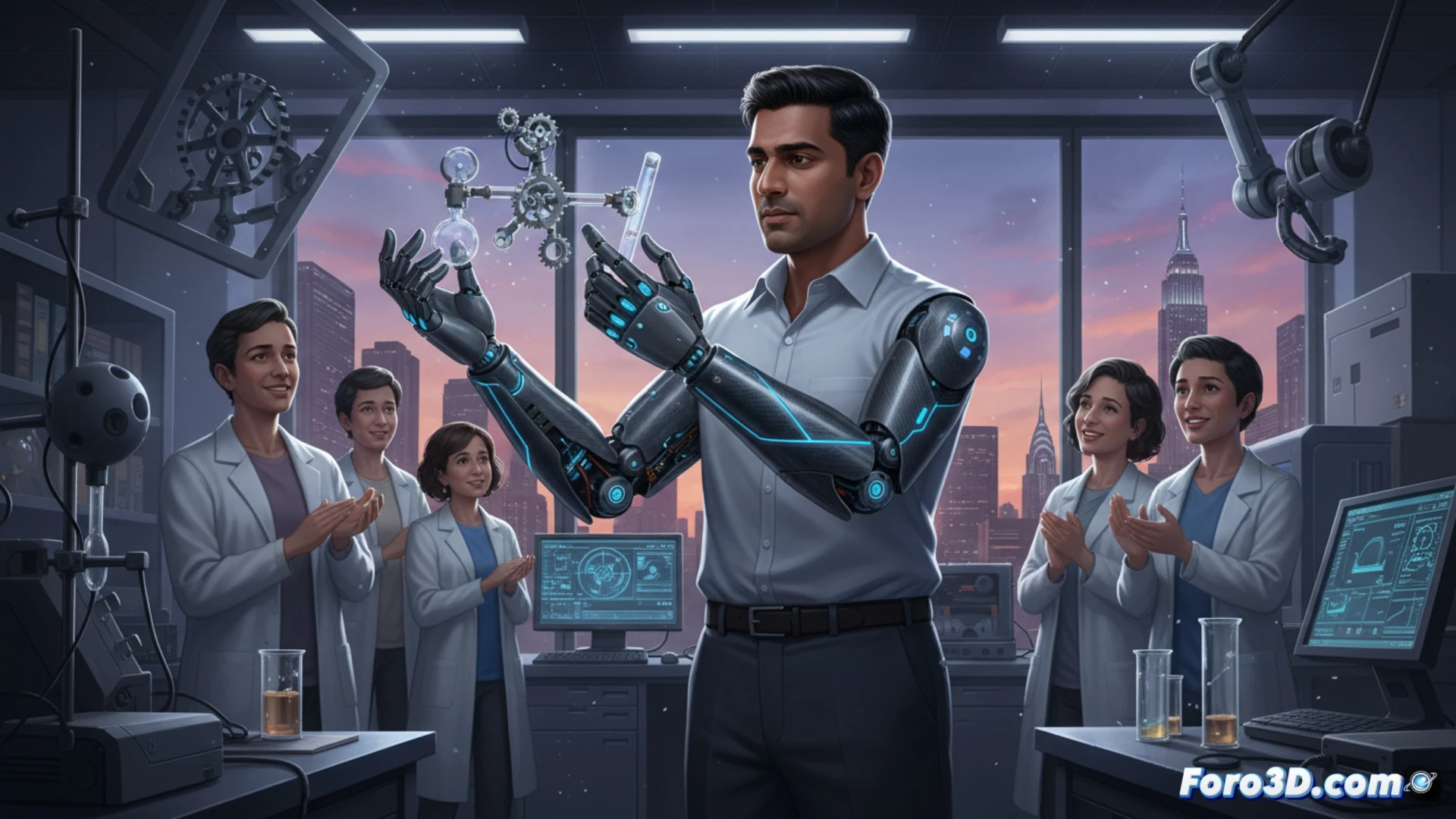
3D printing and sensors for more natural control 🦾
The Hero FLEX uses myoelectric sensors that detect electrical signals from the user's residual muscles. This data is processed in a control unit that translates the intention of movement into concrete actions of the hand and elbow. Being manufactured with 3D printing, the prosthetic weighs less than traditional models and allows for quick adjustments in shape and size. Gowtham was able to hold his dog's leash, grab tools, and open a can without external help.
Opening a can: the true milestone of bionic technology 🥤
Gowtham had been waiting his whole life for an arm that would allow him to do everyday things. And in the end, the most emotional moment was not holding his dog, but opening a soda can. Because let's be honest: science fiction promises to move mountains, but the true usefulness of a prosthetic is measured in opened cans and held dog leashes. The bionic revolution, at least for now, tastes like soda.