Mouthwashing is not just a horror game; it is a manual on how to squeeze low-fidelity retro aesthetics to generate psychological distress. Developed in Unity, the title intentionally uses pixelated textures and a desaturated color palette that evokes the limitations of PS1 and Dreamcast. This technical decision is not a whim, but a narrative tool that transforms every corridor into a visual trap for the player.
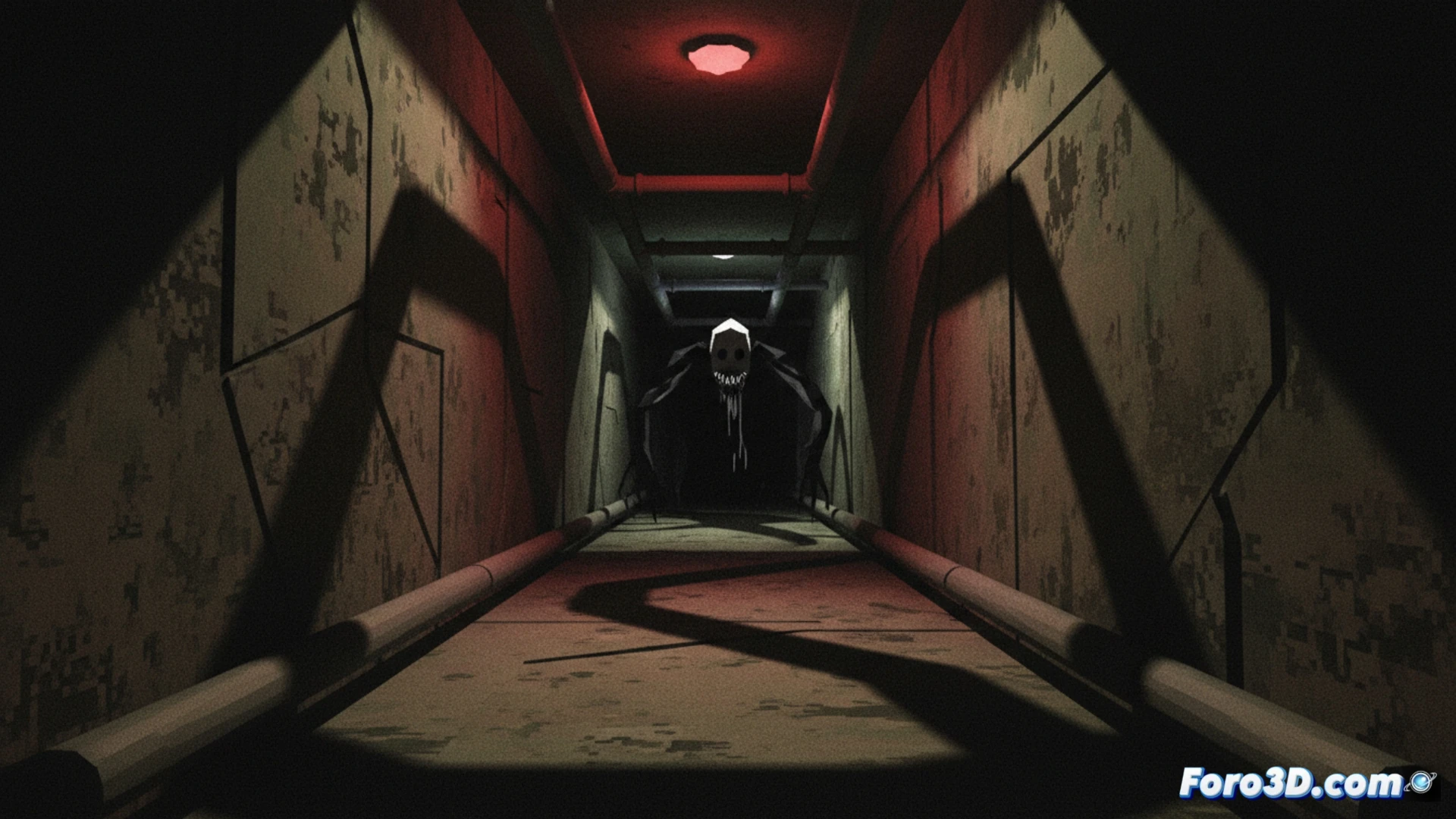
Blender, Photoshop, and Unity workflow for retro assets 🎨
The process begins in Blender, where models are built with low geometry, avoiding smoothing and using flat vertices to mimic the rigidity of the 32-bit era. Then, in Photoshop, low-resolution textures (typically 64x64 to 256x256 pixels) are painted with a limited, desaturated color palette. The trick is to apply a color quantization filter and reduce the bit depth to achieve that dusty, grimy look. When importing into Unity, mipmapping filters are disabled and point filtering is forced so that textures appear sharply pixelated. Lighting is baked into low-resolution lightmaps, generating hard, flat shadows that increase the sense of unreality.
Why retro enhances psychological horror 🧠
Low fidelity is not a technical excuse, but a narrative advantage. By limiting visual information, the player's brain fills in the gaps with its own fears. The desaturated palette removes warmth, making every scene feel like a clinical, dead space. Mouthwashing demonstrates that, for an indie, embracing the limitations of a classic console is more effective than pursuing photorealism. Key tip: use a wide-angle lens camera and add subtle chromatic aberration in Unity's post-processing to emulate the effect of cheap lenses, intensifying the feeling of vertigo and claustrophobia.
In Mouthwashing, which specific Unity techniques for emulating PS1 hardware, such as polygon limitation or texture distortion, are most effective at enhancing the psychological horror narrative and the feeling of claustrophobia?
(PS: game jams are like weddings: everyone is happy, no one sleeps, and you end up crying)