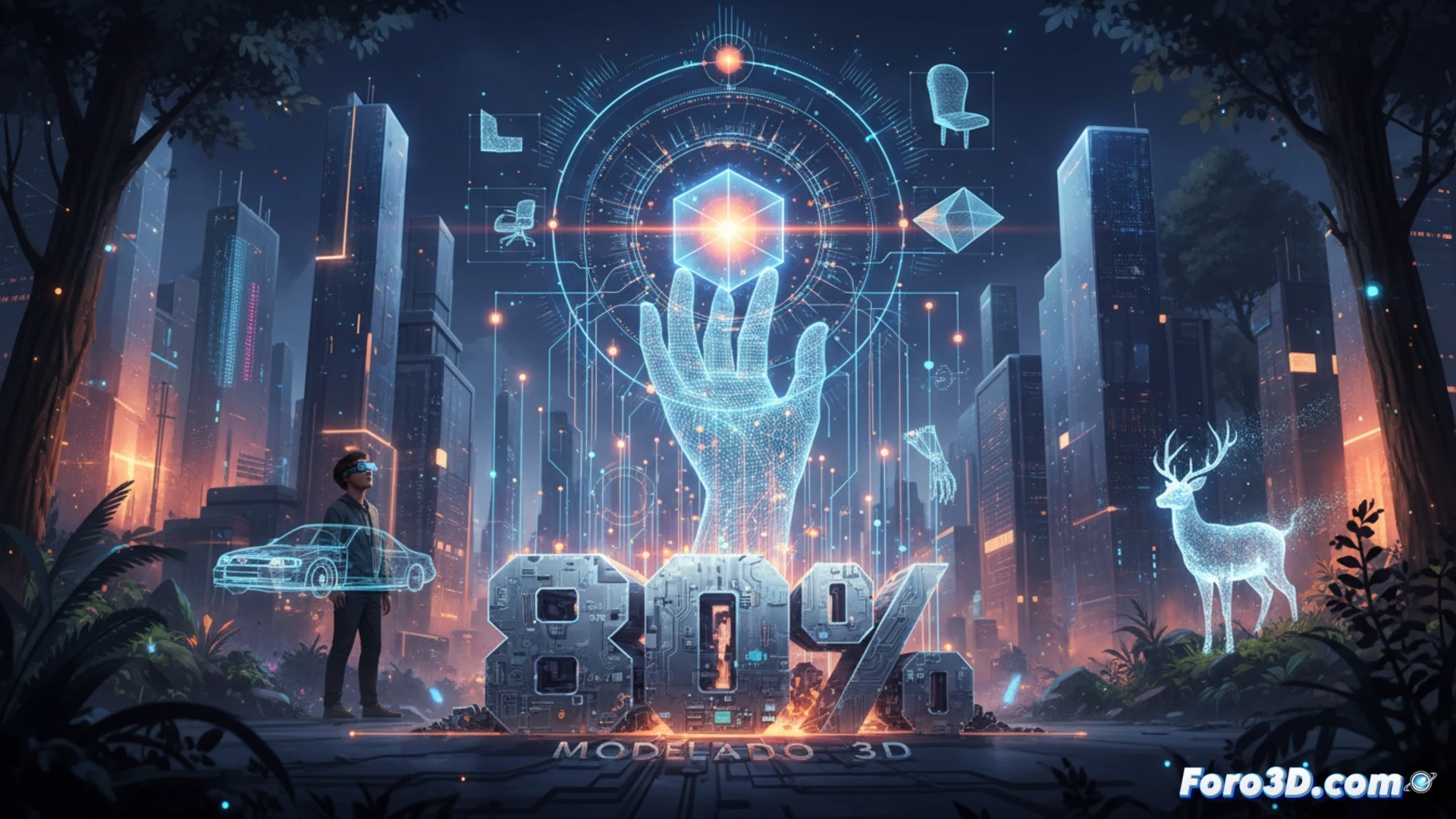
The craft of an augmented reality designer is not limited to programming interactions; 80% of the work involves building 3D assets. For a virtual object to appear real on a table, it needs precise textures, lighting, and scale. 3D technology allows creating these models with a level of detail that deceives the human eye, from the shine of plastic to the roughness of stone.
Workflow: from modeling to real-time overlay 🛠️
The process starts in Blender or Maya for sculpting and texturing. It is then exported to Unity or Unreal Engine, where the AR logic is programmed using SDKs like ARKit or ARCore. A clear example: designing a virtual piece of furniture that the client can place in their living room. The 3D model must have correct physics and respond to the ambient light of the mobile device. Programs like Substance Painter help the material react as it would in reality.
The drama of modeling a cup that doesn't look like a brick ☕
Everything sounds nice until you spend three hours adjusting the rim of a virtual cup and, when placing it in AR, it looks like a floating brick. The client says: it looks weird. And you have to explain that the problem isn't the code, but that the triangles of the handle decided to rebel. But hey, at least on the computer it looked great. The irony: you spend more time fixing shadows than writing lines of code.