The Fractal Design Mood breaks the traditional mold of PC cases by replacing the classic glass or aluminum panel with a textile covering. For a 3D modeler, this product represents a fascinating technical challenge: reproducing the texture and drape of fabric on a rigid object. It's not just a cube with perforations; it's a piece of furniture that seeks to integrate into a living room, which forces a rethinking of the base geometry and render lighting so that the textile material does not overshadow the internal metal structure.
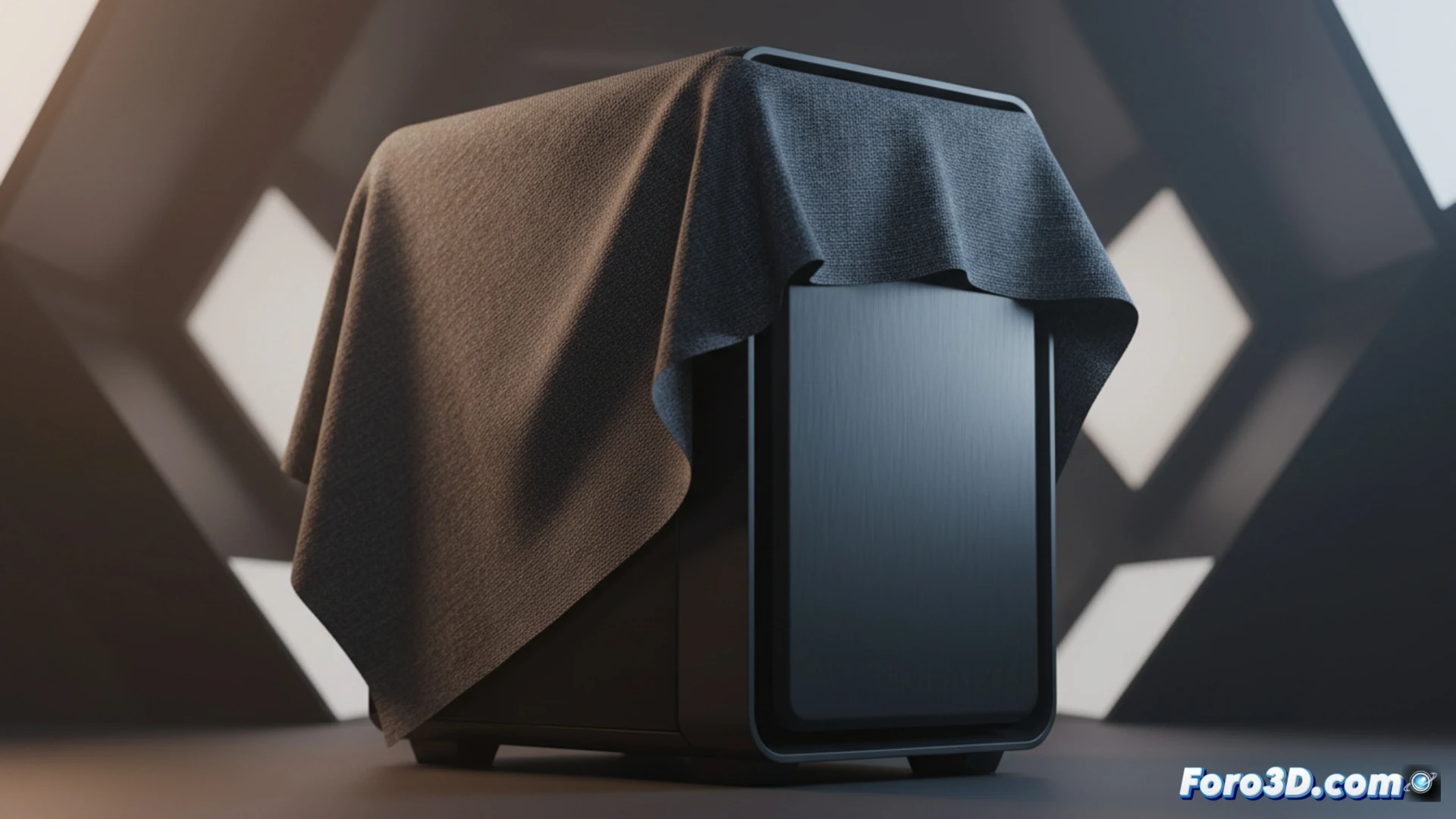
Fabric simulation and vertical chassis geometry 🧵
The critical point of the modeling is the textile casing. Instead of using a dynamic cloth modifier, the optimal approach is to create a base mesh with controlled subdivisions that mimic the tension of the fabric over a rigid frame. Excessive folds must be avoided; the Mood's fabric is smooth and taut. For the internal chassis, the priority is vertical ventilation. When modeling, space must be left for upward airflow and cables hidden behind the motherboard. Regarding materials, the trick lies in the shader: a subtle anisotropy map for the fabric and a slightly brushed metal for the front frame, contrasting with the softness of the textile.
Ambient lighting vs. studio lighting for the render 💡
To showcase the Mood in its natural habitat, a modern living room, the lighting should be soft and enveloping. A large window light (an area light of 2 meters) will diffuse the shadows of the textile, preventing the fabric from looking dirty or noisy. If the client requests a studio render, use side lights with grids to highlight the fabric's texture without creating harsh reflections on the metallic front panel. Compared to a traditional tempered glass case, the Mood requires more care with light bounces: the fabric absorbs a lot of light, so increase the global exposure by one stop or add a fill light from the floor to illuminate the base of the chassis.
As a 3D designer, what fabric simulation and texturing techniques do you recommend to faithfully capture the contrast between the rigid chassis and the textile cover of the Fractal Mood in a product render.
(PS: Designing a product in 3D is like being an architect, but without having to worry about the bricks.)