Spanish and French scientists have identified ultra-small archaea in the Dallol volcano, Ethiopia, the most hostile environment on the planet with life. These microorganisms, a thousand times smaller than bacteria, thrive in waters at nearly 100 degrees and a pH more corrosive than sulfuric acid. The discovery, published in 2019, redefines the limits of life and opens new avenues for astrobiology.
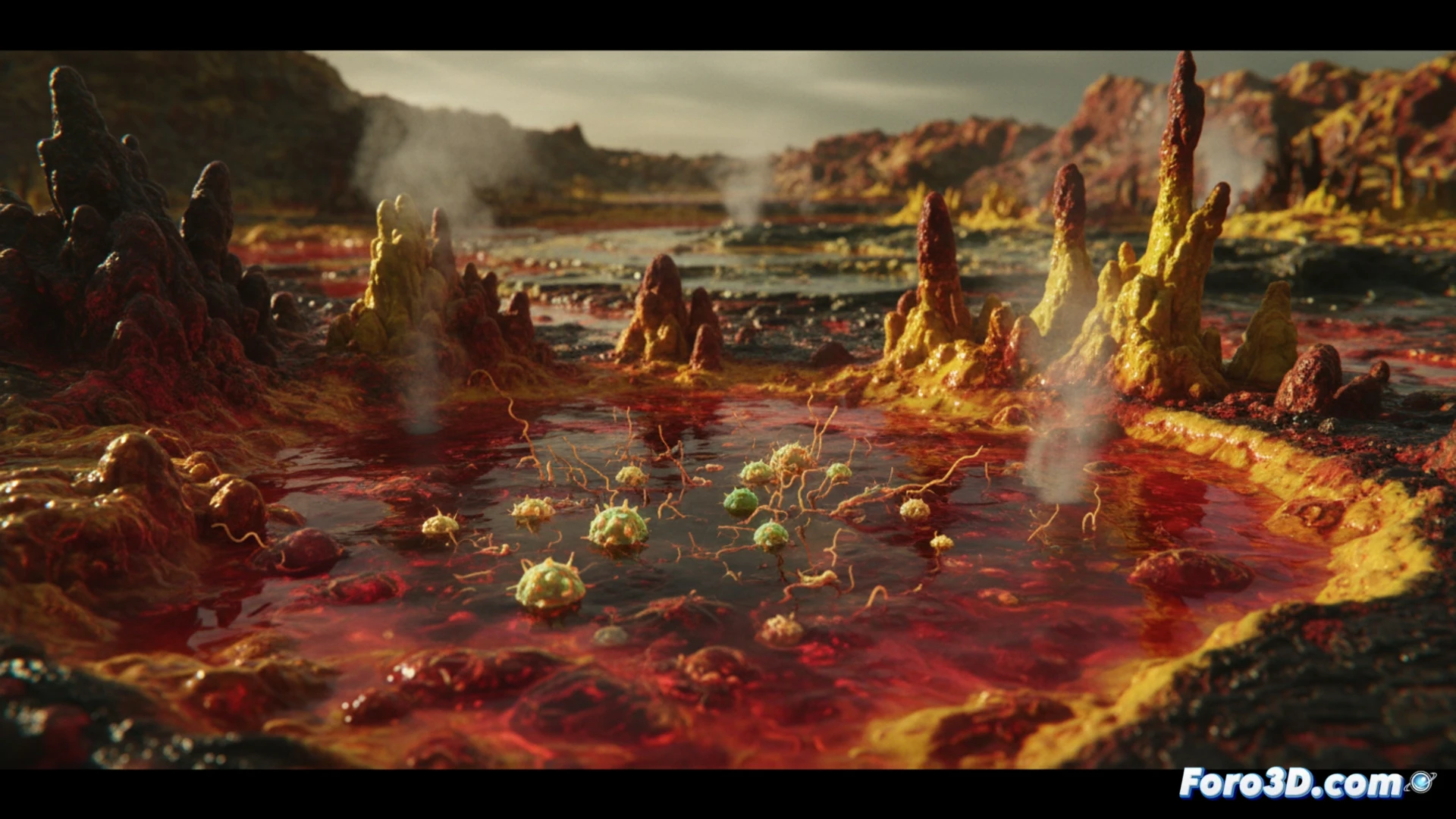
Detection technology for extreme environments 🔬
To capture these archaea, the team combined scanning electron microscopy and genomic analysis of samples filtered with 0.2 micron pores. The cells measure between 0.1 and 0.3 microns, which required the use of high-throughput sequencing techniques to avoid contamination. The method used can be applied in future missions to Mars or Enceladus, where similar conditions could harbor microbial life of reduced size.
The neighbor who doesn't invite you to dinner 🍽️
Dallol is the place where even bacteria need to make an appointment. With an average temperature of 41 degrees and pools of acid, these microbes seem to have read the manual for extreme survival. Perhaps NASA should send them a rental application. Of course, if we ever colonize Mars, renting a spot in this Ethiopian volcano will be more expensive than an apartment in downtown Madrid.