In the Pamplona Basin, a wine recovery project has managed to bring back the Berués grape variety, a historic strain that was considered nearly extinct. This initiative focuses on rescuing native varieties adapted to the local climate and soil, returning to the region a genetic heritage that seemed lost forever.
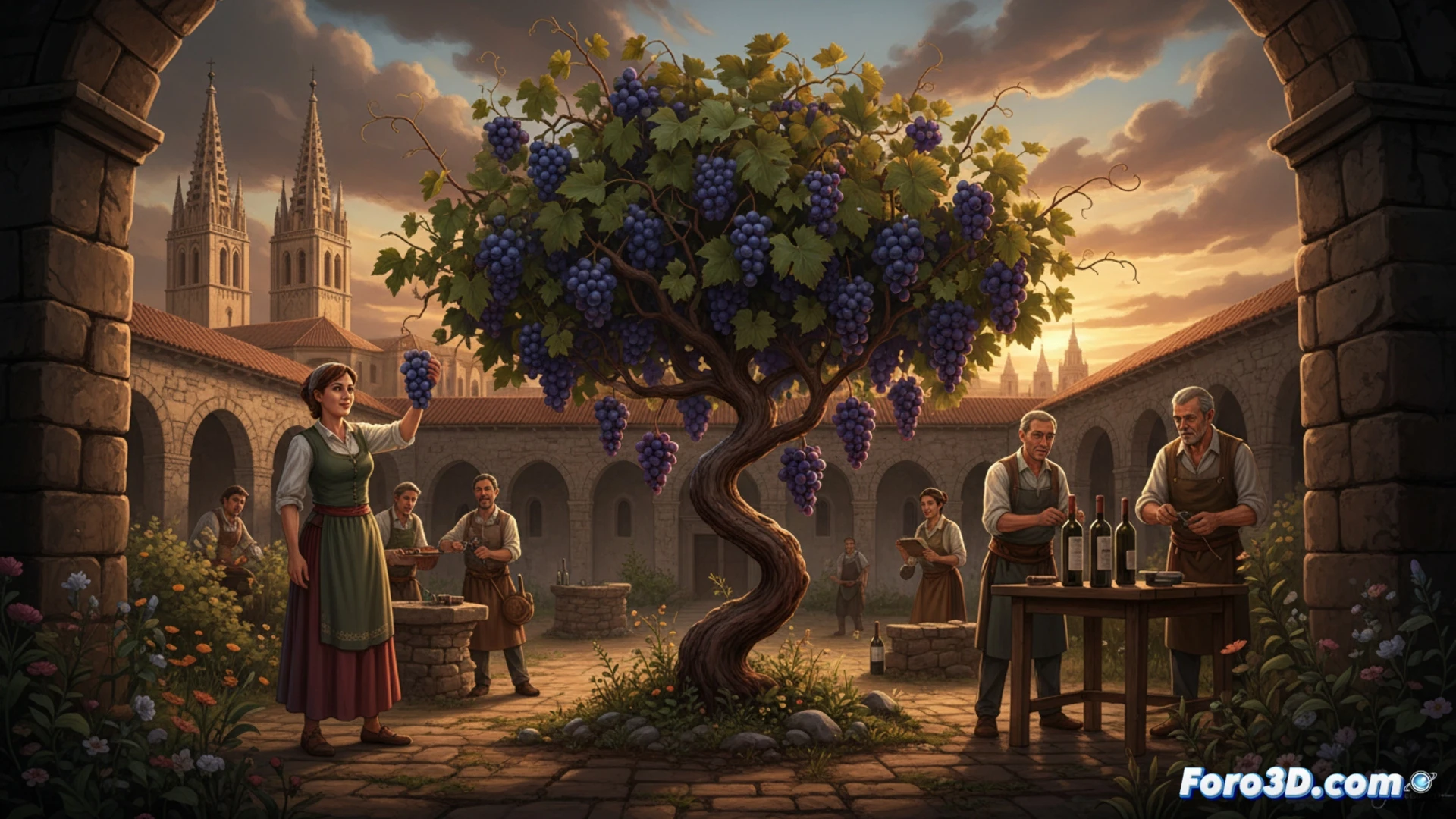
Genetic analysis and microvinification to certify the strain 🍇
The process included identifying surviving vines in old vineyards using molecular markers, followed by their propagation in a greenhouse. Controlled microvinifications were carried out to evaluate the phenolic and aromatic profile of the Berués. Preliminary results show a grape with good acidity and soft tannins, ideal for short-term aging wines. The next step is to expand the cultivated area and register the variety in the official catalog.
The Berués comes back to life, but without asking for autographs 🍷
After decades hidden among brambles and oblivion, the Berués has decided to reappear just as the wine market seeks stories with appeal. Now it's time to convince sommeliers that it is not a passing fad, but an old acquaintance who returned from retirement. That said, the grape has not asked for royalties or interviews, just a bit of soil and not to be mistaken for Garnacha.