The recent wave of anti-terrorist arrests has reopened an uncomfortable debate: the State spends fortunes on surveillance and control systems to neutralize external threats, while dismantling the social protection network that prevents discontent from taking root. It is the chronicle of an announced hypocrisy, where fear of the unknown justifies cuts to what truly keeps us safe.
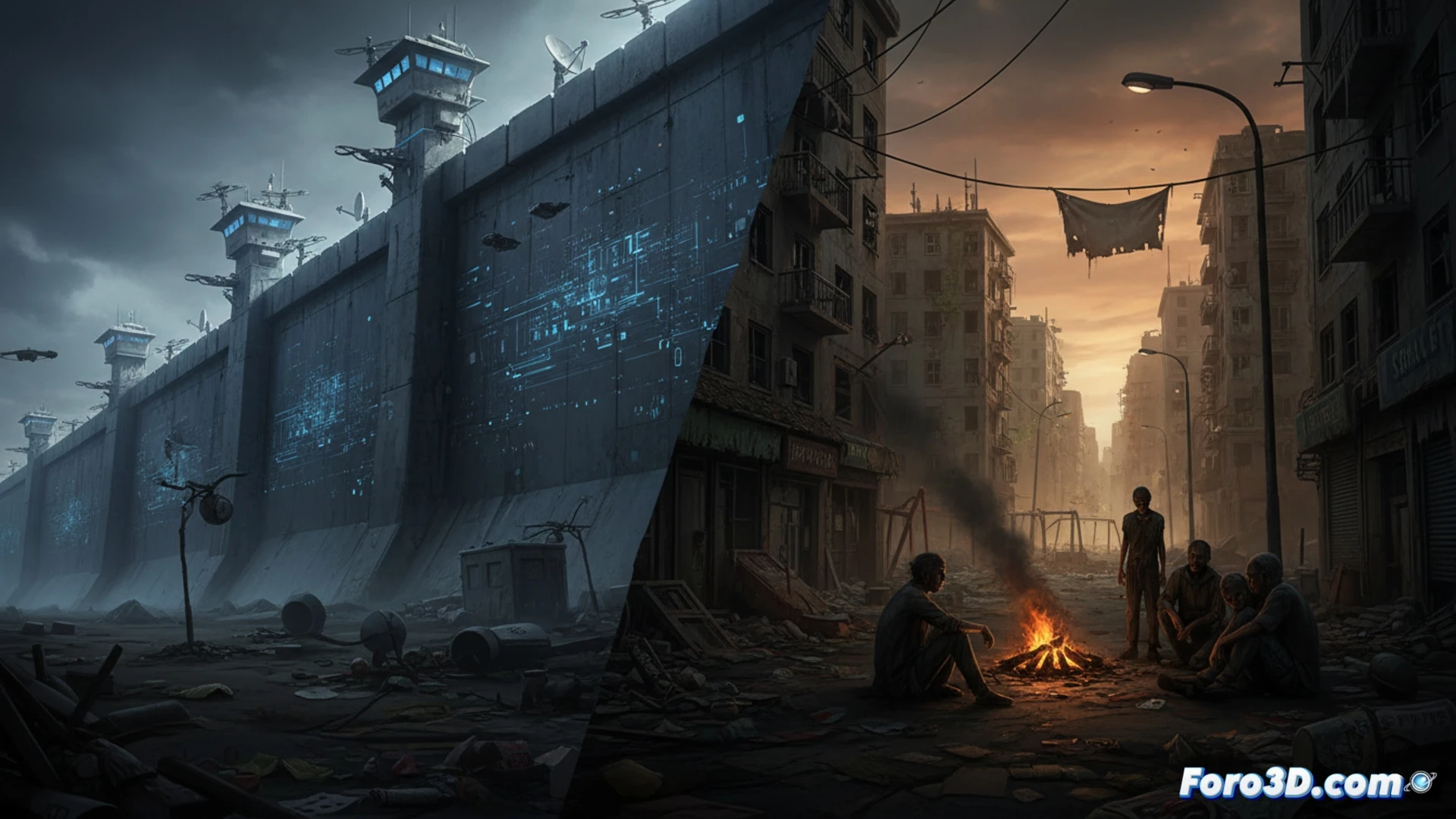
Control algorithms vs. exclusion budgets 🤖
Mass surveillance systems, such as predictive analysis of social networks or facial recognition in public spaces, require multi-million dollar investments in hardware and software. However, the real prevention of radicalization involves artificial intelligence models applied to the early detection of social vulnerability, not just threats. While spending on reactive surveillance is prioritized, health centers and schools lack resources to integrate at-risk communities, creating a breeding ground that no algorithm can predict or stop.
The minister, his drone, and the ambulance that never arrives 🚁
While ministers pose alongside state-of-the-art drones capable of spying on a mosquito at a protest, the neighborhood hospital still lacks beds to treat a retiree with pneumonia. The logic is impeccable: better to buy an anti-riot robot than to pay for a nurse's position, after all, the flu doesn't threaten the State, only the patient. But watch out, because the day the desperate neighbor without housing gets creative, the drone won't be able to offer him social rent.