Leather tanning is an ancient craft facing modern challenges: prototyping costs, material waste, and a lack of specific tools. 3D technology enables the precise manufacturing of molds and patterns, reducing repetitive manual work. A clear example: a craftsman can scan an old shoe, model the piece in software, and test the fit without cutting a single hide. The necessary programs are Blender (modeling), Fusion 360 (parametric design), and Cura (slicing for printing).
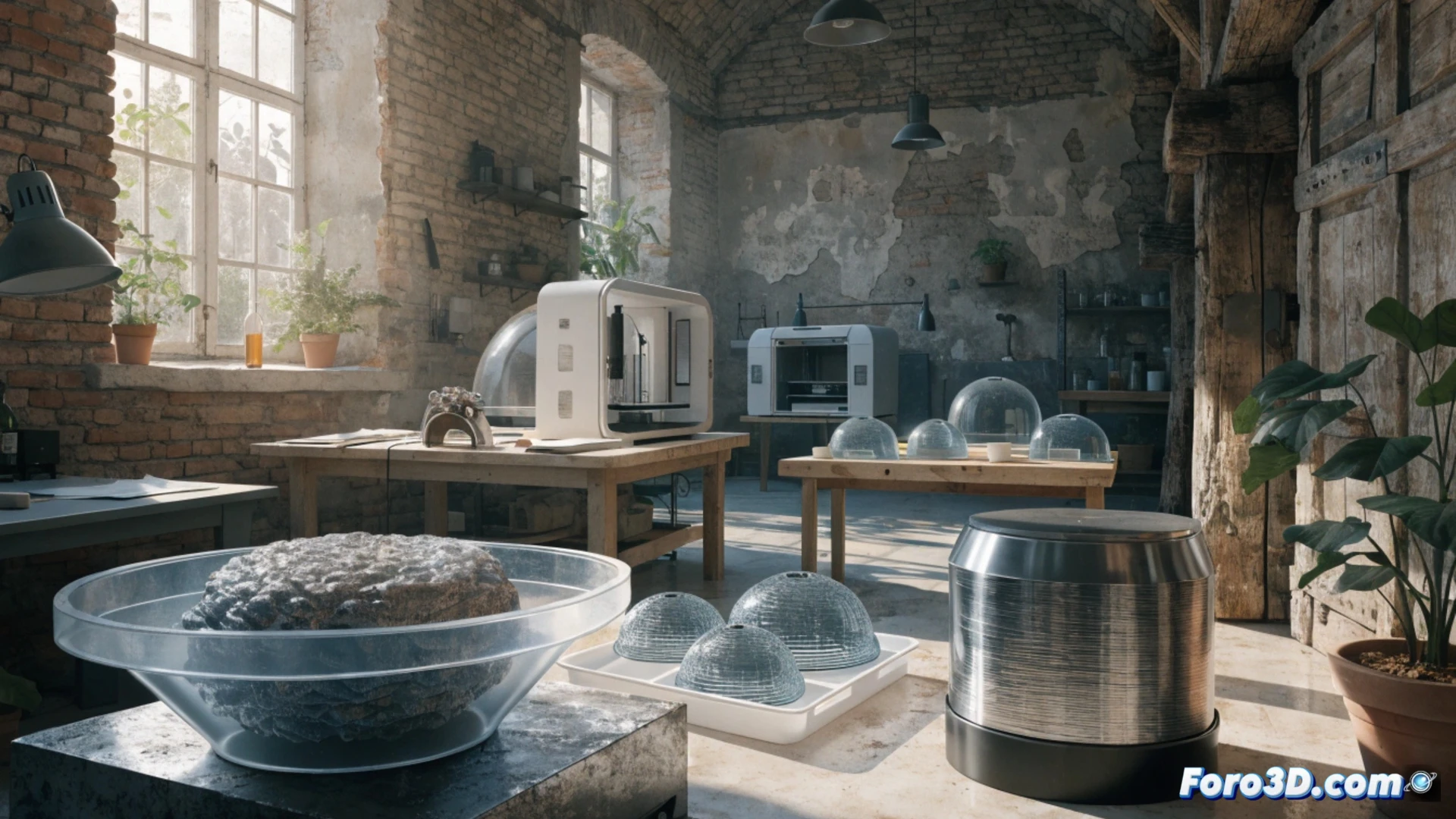
From the vat to 3D modeling: key tools 🛠️
To integrate 3D printing into the tanning workshop, three basic elements are required. First, a 3D scanner (like the Revopoint POP 3) to digitize existing lasts or leather pieces. Second, modeling software such as Rhinoceros 3D, which allows designing templates and dies with tolerances of 0.1 mm. Third, a filament printer (like the Prusa i3 MK4) to manufacture prototypes in PLA or PETG. This eliminates trial-and-error with real leather, saving 40% of material in each iteration.
What your tanner grandfather didn't tell you about filament 😅
Of course, your tanner grandfather would tell you this is for lazy people. That back in the day, tanning was done by hand, with calluses and the smell of tannin. But now, instead of cursing the last that doesn't fit, you print one in 30 minutes and test it while sipping coffee. The only risk is that the printer jams with PLA just like your grandfather got stuck with knots in the gut. At least the smell of molten plastic is less aggressive than that of soaking hides.