The sea shows no mercy, and boat parts break at the worst possible moment. 3D technology makes it possible to manufacture plastic or metal spare parts on land in a matter of hours. A clear example is small propellers or rod holders. Programs like Fusion 360 or Blender are used to design the parts, along with a printer like the Creality Ender 3 or a resin printer for fine details.
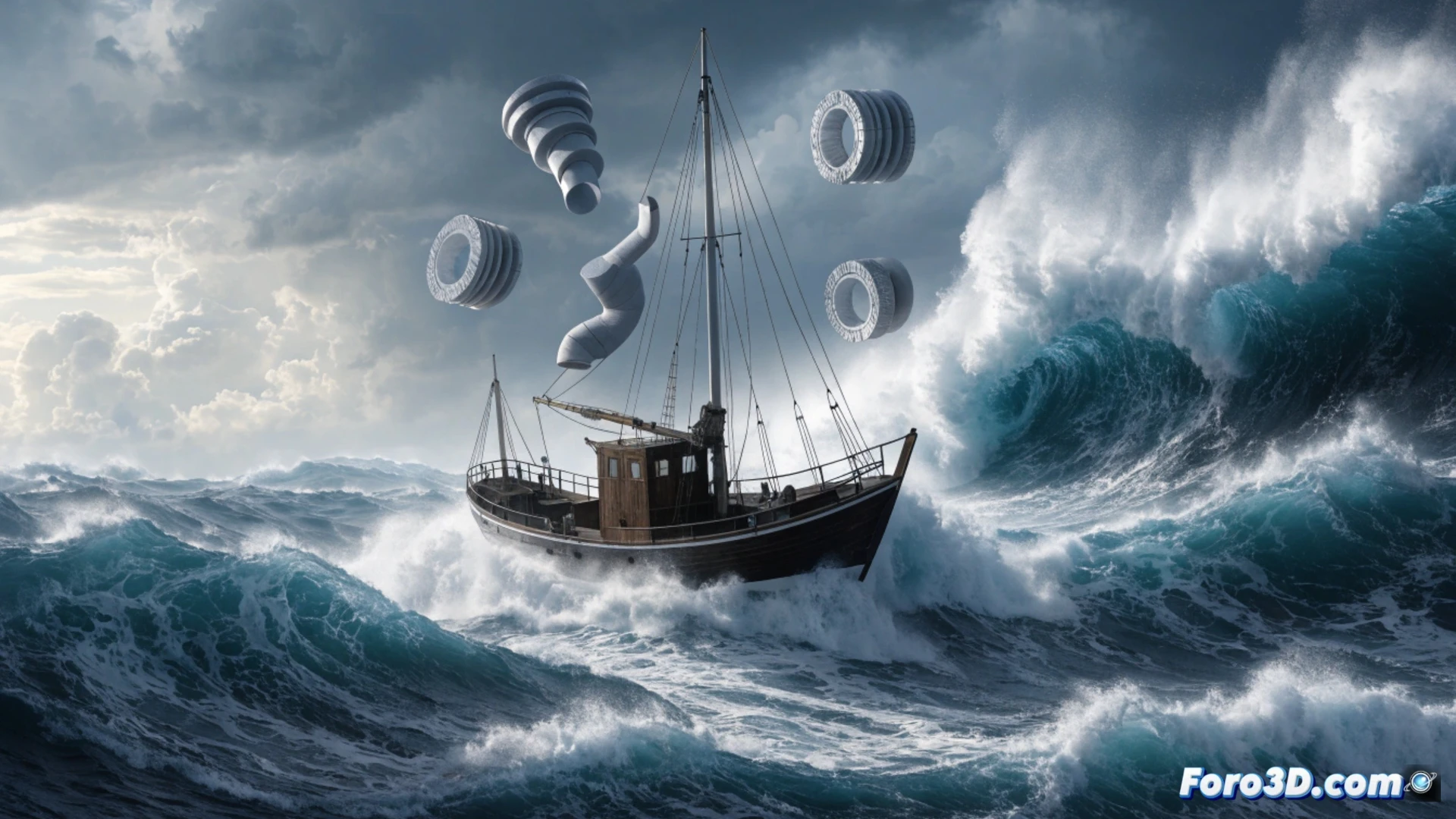
Modeling and on-demand manufacturing of nautical spare parts 🛠️
The process begins by measuring the broken part with a caliper or using photogrammetry with a mobile phone. It is then modeled in FreeCAD or Tinkercad, free programs with tutorials. It is exported to STL format and printed in PETG or nylon, materials that withstand saltwater and sun. For metal parts like rings or gears, metal printing with steel filament or external services like Sculpteo are used.
Goodbye to having a spare gadget for everything ⚓
Before, if the reel handle broke, you had to return to port and wait weeks for the Chinese supplier. Now, the fisherman becomes an engineer: measure, model, and hit the print button while having a coffee. Of course, then they discover the part is 2 millimeters too small and have to redo it. But hey, it's better than praying to the Virgin of Carmen while the boat drifts.