Thanatopraxy seeks to restore the appearance of the deceased for the final farewell. 3D technology offers precise solutions for reconstructing areas damaged by accidents or illnesses. Instead of relying solely on manual skill, the professional can use digital models to create facial or cranial pieces. This reduces working time and improves the final result.
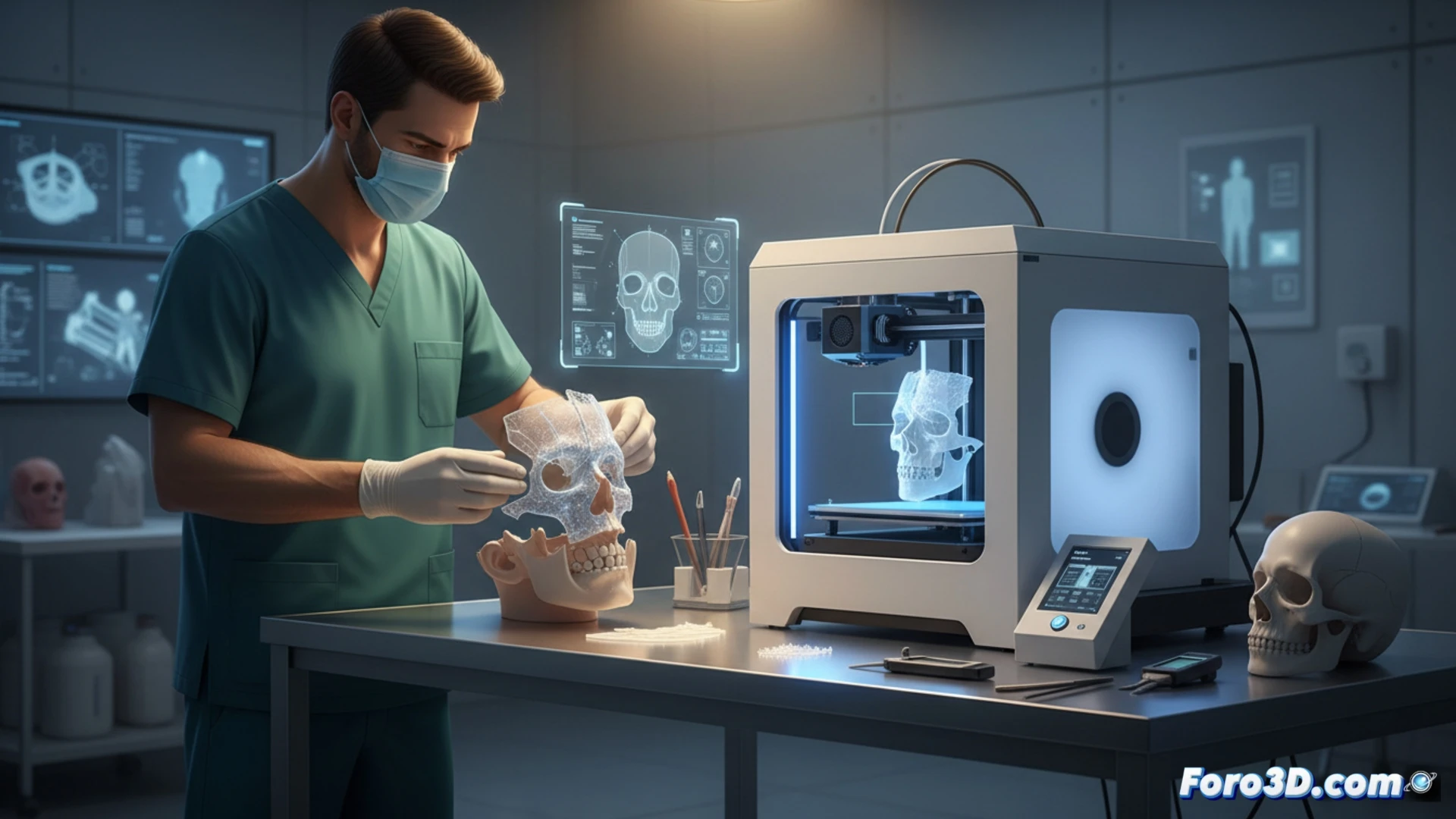
Facial reconstruction with scanner and 3D printing 🖨️
The process begins by scanning the affected area with a device like the Einscan Pro 2X. Using modeling software such as Blender or Meshmixer, the missing part is designed based on previous photos of the face. It is then printed in biocompatible materials like flexible resin or PLA. The result is integrated with putties and professional makeup. Programs like ZBrush allow for sculpting fine details. All of this avoids the use of invasive techniques and achieves a natural restoration.
Goodbye to homemade cotton filling 🧵
Before, if a cheekbone was missing, it was improvised with cotton, wax, and a lot of faith. The result was decent from afar, but at the wake, the family noticed something was off. Now, with 3D printing, you can replicate the deceased's ear with millimeter precision. Of course, make sure not to print it larger than necessary, or the deceased might seem to hear better than when they were alive.