3D technology allows the technical architect to transform plans into physical objects to verify construction details before executing them. A clear example is the scale model of a metal roof joint, where connections and tolerances are checked. Programs like Autodesk Revit, SketchUp, and Cura are essential for modeling and preparing print files. This reduces errors and saves time during the construction execution phase.
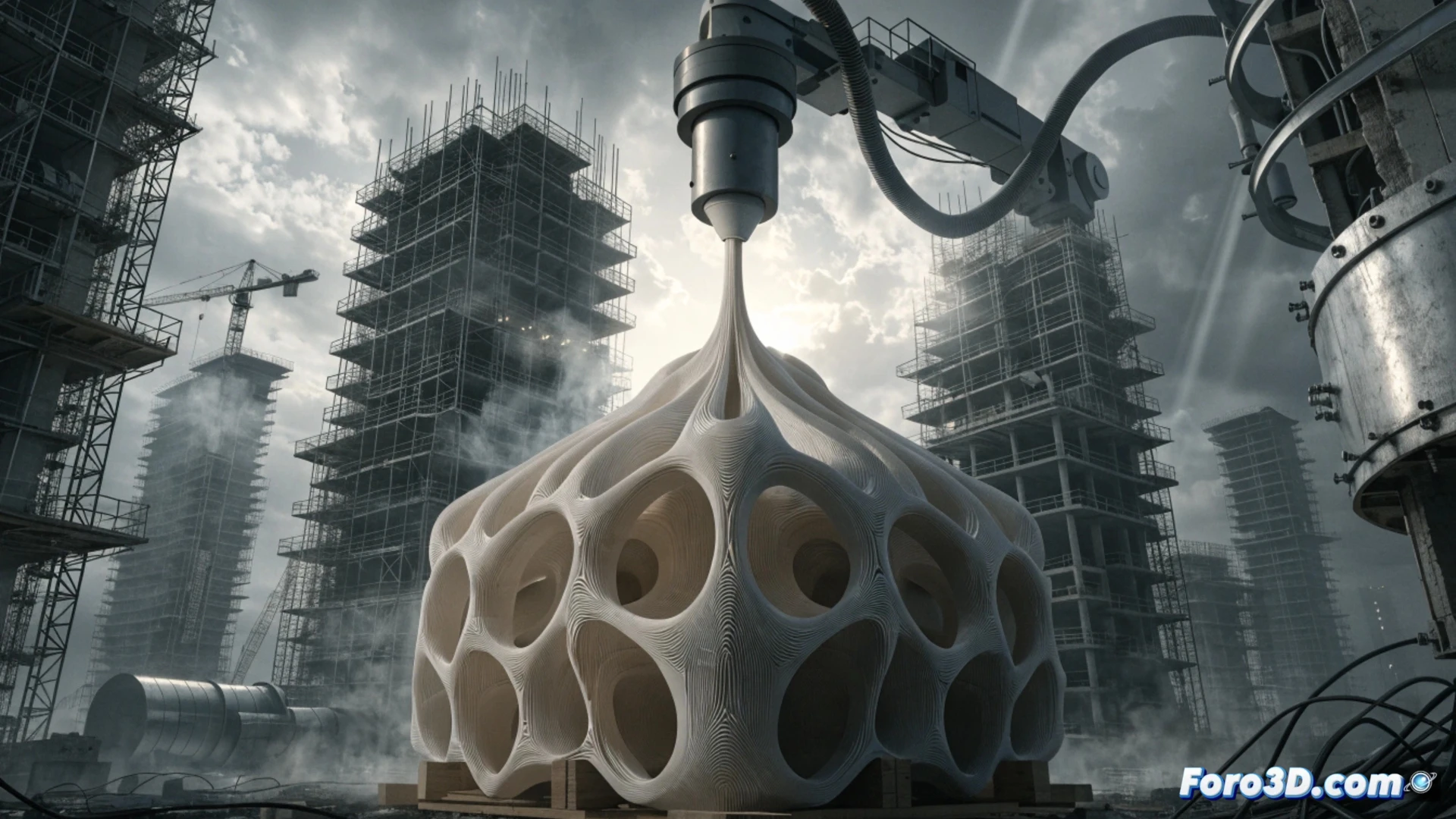
Parametric modeling for interference checking 🏗️
The use of BIM combined with 3D printing allows detecting conflicts between installations and structure. For example, by printing a section of a false ceiling with HVAC pipes and electrical conduits, the technician can physically see if there are overlaps. Programs like Revit, Navisworks, and Fusion 360 facilitate this workflow. The precision of 3D printing (0.1 mm) ensures that the 1:20 scale model reflects the actual tolerances of the materials.
When the boss asks for a prototype yesterday 😅
We've all experienced the moment when the boss wants to see a physical part, but the supplier takes two weeks. With a 3D printer and a PLA filament, you can have the model ready in an afternoon. Of course, then he tells you that the scale is wrong and that the color is not right, but at least you have something to show. While he complains, you smile because you know that prototype has already saved three last-minute changes.