A simple em dash, that horizontal stroke we use for asides or dramatic pauses, has become the new Kryptonite of digital writing. In recent weeks, a phenomenon dubbed GPT AI-ism has unleashed an orthographic witch hunt: any text that correctly uses the em dash is automatically labeled as AI-generated. The paranoia has reached such a level that global brands like Nike have been accused on social media of using AI in their communications, simply for including this punctuation mark that human authors have been using elegantly since the 19th century.
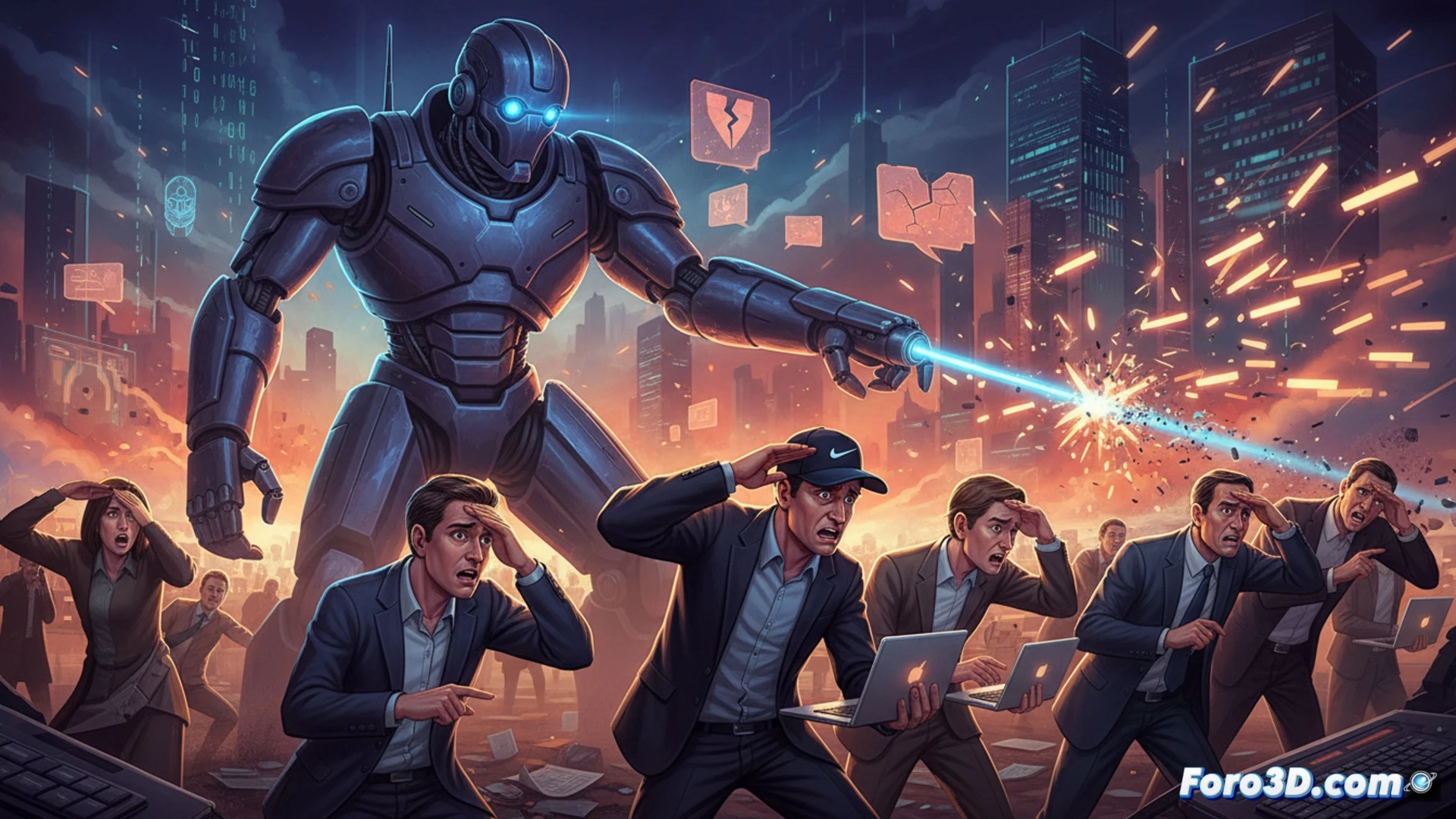
The suspicious eye syndrome: polished punctuation as proof of artificiality 🤔
The debate reveals a deep hypocrisy in our relationship with AI. In visual art, we accept that generative models learn from centuries of human painting; no one accuses a work of being artificial just for using chiaroscuro or perspective. However, in writing, any well-punctuated text or one with clean syntactic structure is considered suspicious. This double standard ignores an uncomfortable fact: bad writing existed long before ChatGPT. What we are really penalizing is not artificial authorship, but communicative clarity. The em dash has become collateral damage in a poorly conceived war against textual automation.
Editorial dystopia: the anti-machine disclaimer as the new standard 📉
The most alarming consequence of this phobia is the response from authors themselves. More and more writers are including explicit disclaimers in their books: This work was written by a human, without the use of artificial intelligence. This practice, far from being reassuring, is deeply dystopian. It forces us to prove our humanity through a denial, as if stylistic neatness were a crime. The real danger is not that AI writes better, but that our distrust of clear communication is eroding social trust to the point where a simple em dash seems like a threat to authenticity.
Do you think the Streisand effect applies to the censorship of critical nicknames?