On May 15, 2026, the University of Science and Technology of China unveiled Jiuzhang 4.0, the fourth version of its photonic quantum computer. This system solves in seconds tasks that the American supercomputer El Capitan would not finish even in the age of the universe. It is not a universal computer, but a specialist in Gaussian boson sampling.
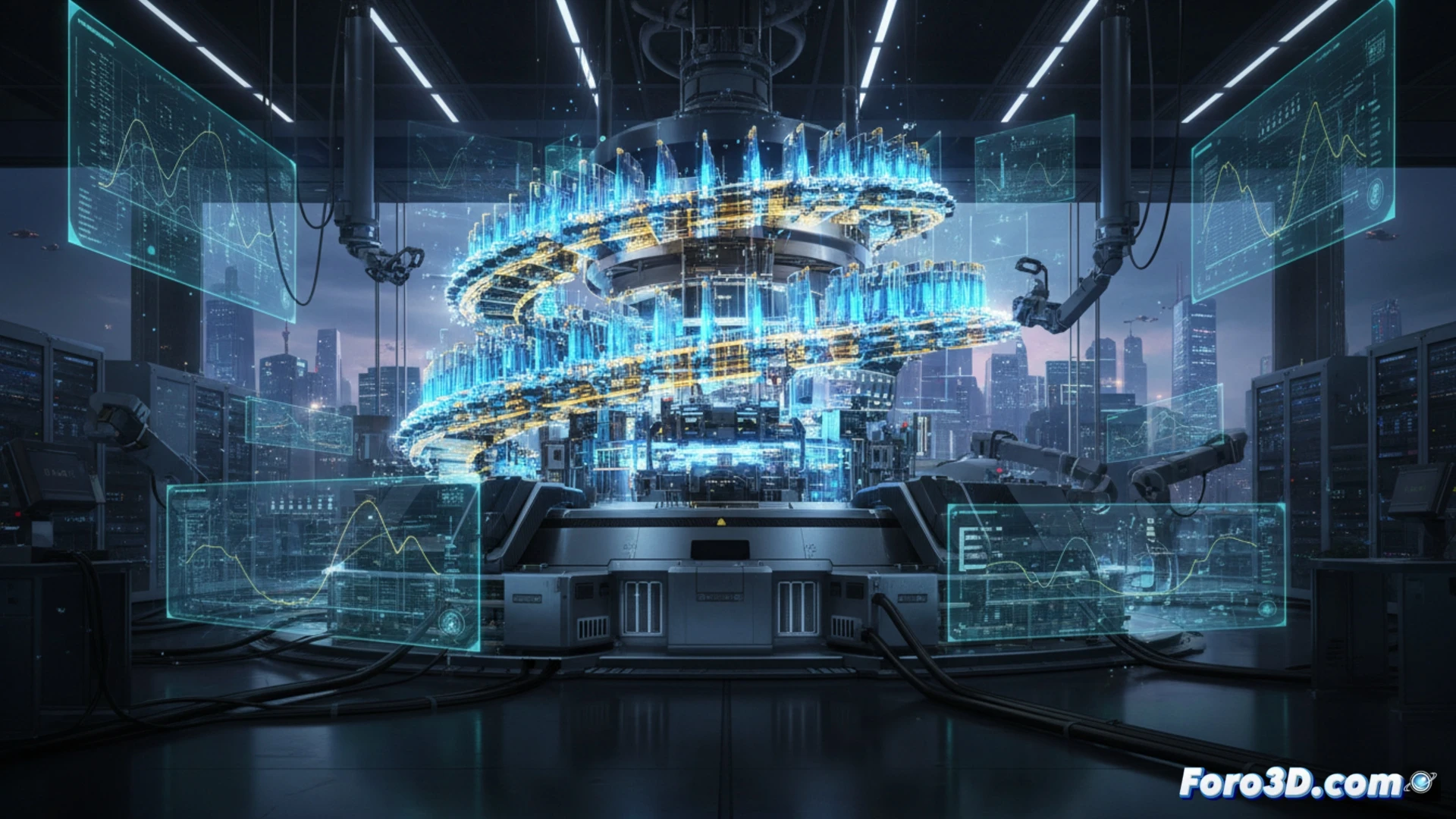
Gaussian boson sampling: the weak point of supercomputers ⚛️
Jiuzhang 4.0 operates with photons and performs synthetic calculations via GBS, a task that classical systems find impossible to scale. While El Capitan would need billions of years for certain calculations, the Chinese system completes them in fractions of a second. The key lies in its optical architecture, which exploits quantum interference to process information in parallel. Although limited to this specific function, its speed is a clear marker of quantum advantage.
El Capitan, the supercomputer that takes eternal vacations 🖥️
While Jiuzhang 4.0 finishes its work and goes off for tea, El Capitan would still be calculating the first step. Literally. Scientists calculated that the American supercomputer would need more time than the cosmos has existed to emulate a single result from the Chinese one. Someone should warn the electricity bill people: leaving El Capitan running until the end of time is not cost-effective.