Starting in March 2027, Japan will implement a new law that will increase the cost of about 1,100 prescription drugs—those with similar over-the-counter versions. The measure aims to reduce public healthcare spending, but for citizens, it means they will have to pay more out of pocket for common medications like painkillers or cold remedies, which were previously almost fully covered by insurance.
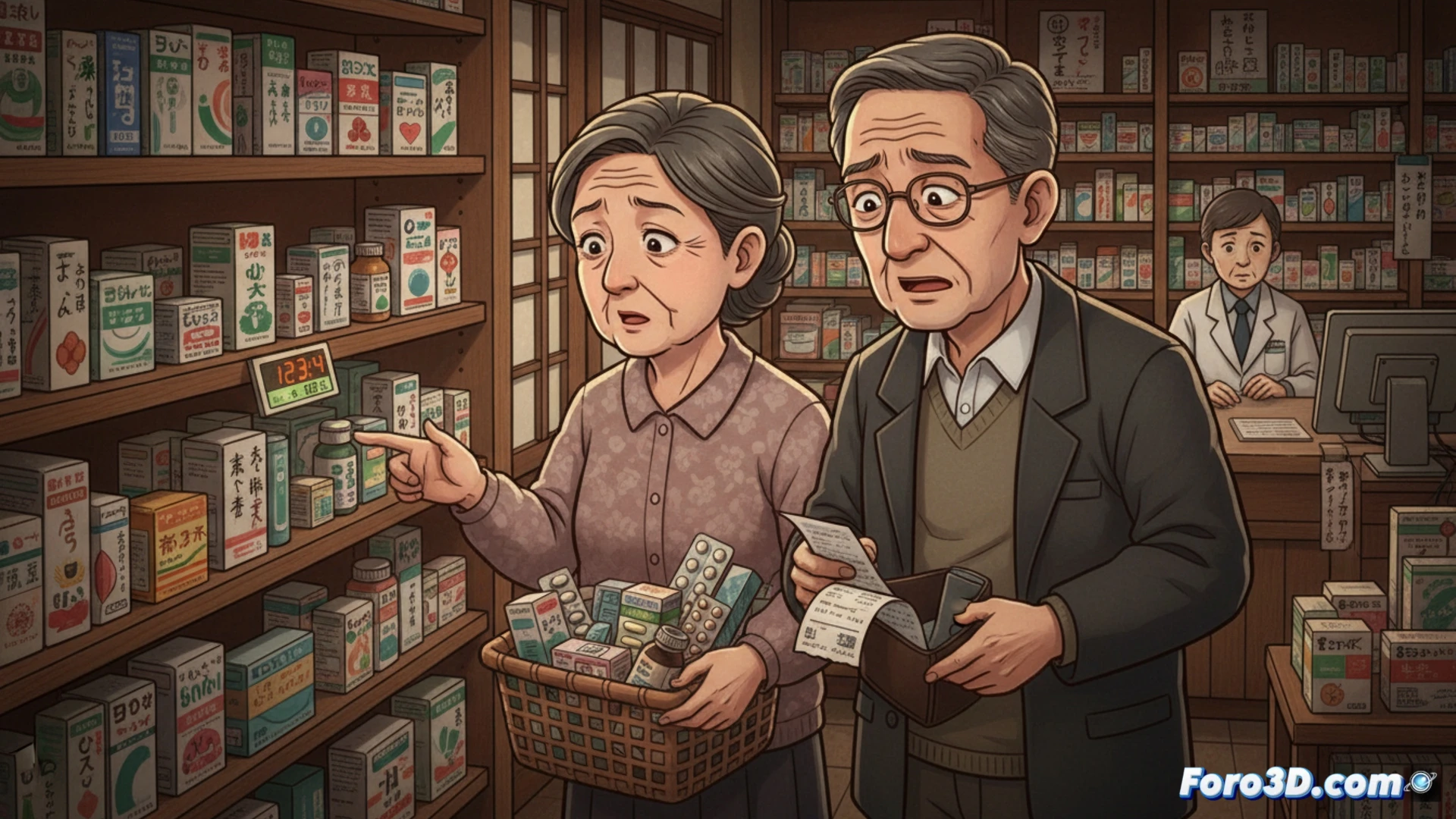
Japan's healthcare system tightens its belt 💊
The technical strategy is simple: eliminate state subsidies for prescription drugs that duplicate over-the-counter options. The government estimates this will save billions of yen annually. To this end, a list has been created of medications with active ingredients identical to those available over the counter. Patients who insist on a prescription will pay the full difference, incentivizing the use of generic alternatives or self-pay options at pharmacies.
For the Japanese, healthcare becomes pay-per-use 💴
Now, if a Japanese person has a headache, they will not only decide between ibuprofen or acetaminophen but also between paying extra or settling for the supermarket version. The government trusts that people will opt for the cheaper option, but surely many will still request the prescription out of habit. In the end, the measure will make even a common cold hurt the wallet.