Japan faces a unique housing dilemma: its 13 national sanatoriums for Hansen's disease house 554 residents with an average age exceeding 89 years. At the Amami Wakoen Sanatorium in Kagoshima, only six people remain. The recent Citizens' Congress on Hansen's Disease in Amami discussed how to preserve these facilities when there are no longer any patients.
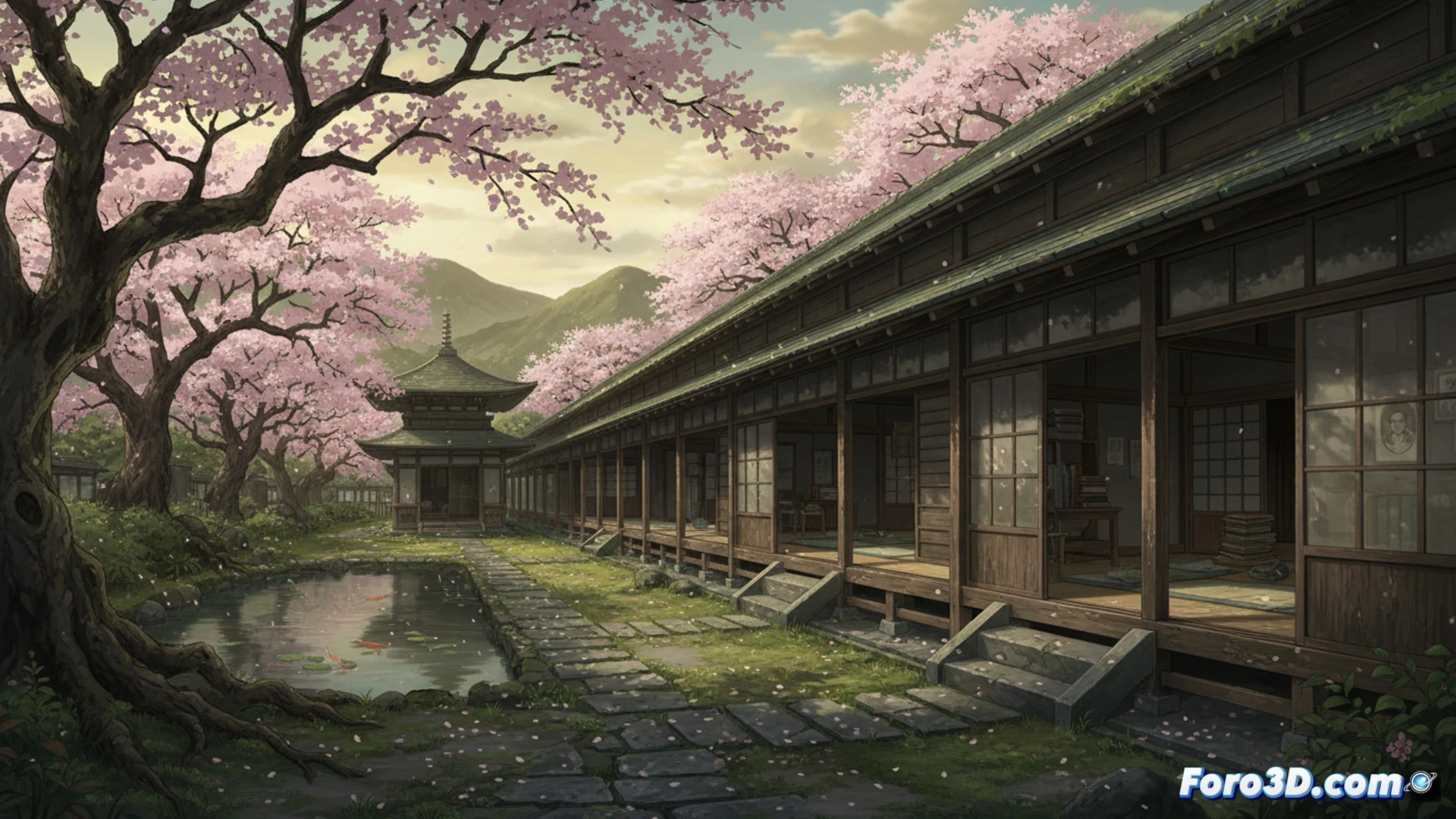
Technical reuse and preservation of architectural heritage 🏛️
Architects propose converting the pavilions into research centers for infectious diseases or spaces of historical memory. The infrastructure, with advanced isolation and ventilation systems, allows for technical adaptations without major renovations. Some sanatoriums could house biosafety level 3 laboratories, leveraging their original flow separation designs. The government evaluates maintenance costs against the heritage value of century-old buildings.
When the last room is for the archivist 🗂️
The most creative solution came from a local official: converting the sanatorium into a luxury resort with a medical theme. Guests could sleep in restored hospital beds and breakfast on trays of flavorless gelatin. The spa would offer iodine baths, and the bar would serve cocktails named after bacterial strains. Of course, check-out would be voluntary, but nostalgia mandatory.