The Hokuei Institute of Niigata held its second press conference to detail the background of the men's soft tennis club trip, whose bus was involved in a fatal accident on the Ban-etsu Expressway in Fukushima. The club manager explained the route planning, and when asked whether the buses were contracted under the institute's name, the representative stated that he was unaware of that detail. However, he revealed that 12 trips had been made in the past year, all with invoices issued, but the school never made a direct request to the rental company.
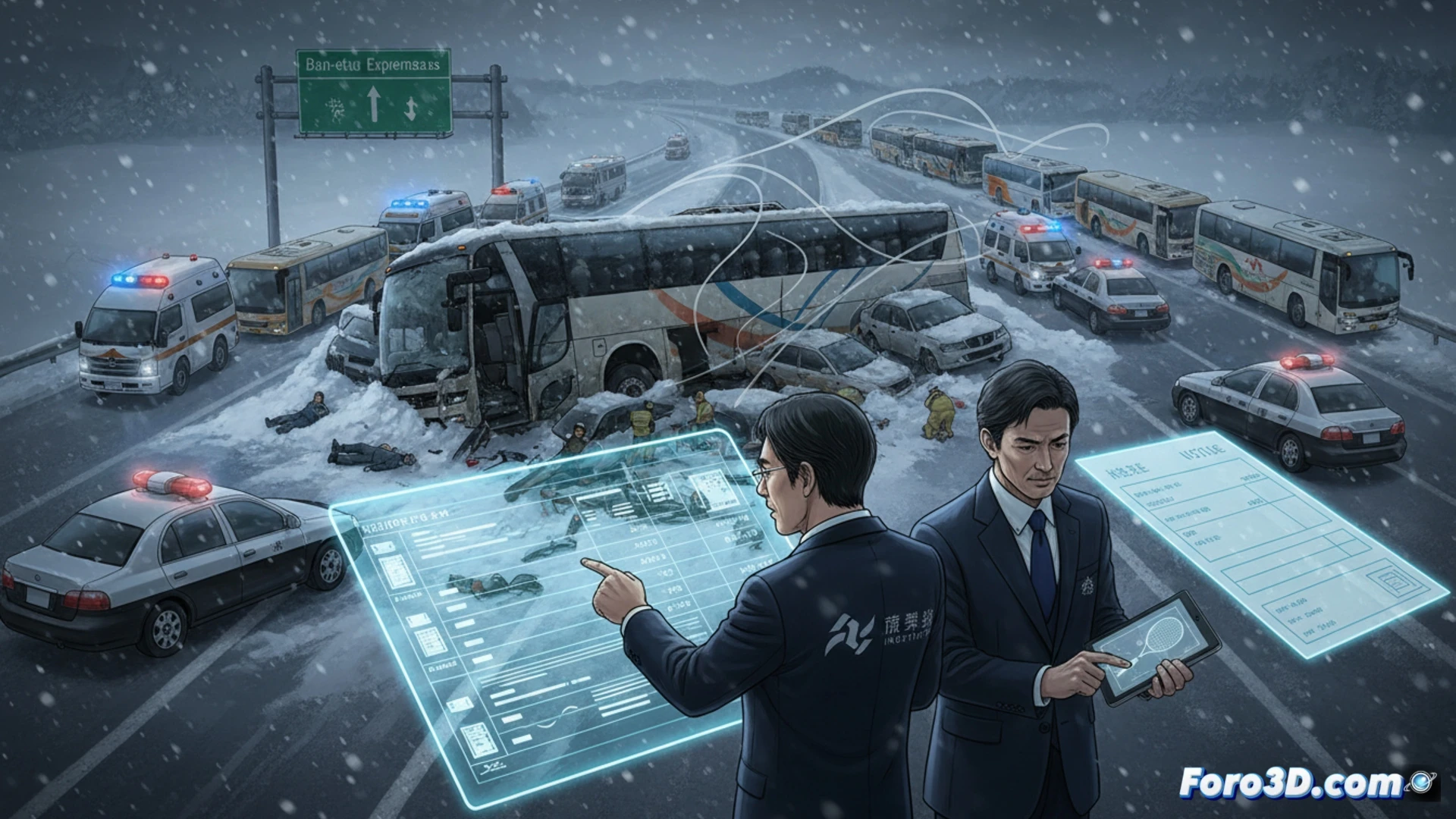
The hidden management behind 12 trips and zero direct requests 🚌
The revelation raises an administrative gap in the contracting of school transportation services. Although 12 invoices were issued in the past year, the institute claims it never made any formal request to the rental company. This suggests that the trips may have been managed through intermediaries or directly by the clubs, bypassing the school's official channels. The lack of a centralized request log makes it difficult to trace who authorized each trip and under what conditions, exposing a potential weakness in safety protocols and accountability.
12 trips, 12 invoices, and zero responsibility: the club organized it all 📄
It seems the men's soft tennis club not only knows how to hit balls but also how to juggle accounting. Twelve trips, twelve invoices, but the school never called the bus. Either the students have a knack for business management, or the institute has such an invisible ordering system that not even they know who ordered what. The only thing clear is that if the trip goes wrong, the blame always falls on the one who invoices, not the one who signs.