Watchmaking requires minuscule parts with micron tolerances. 3D technology allows for the rapid fabrication of components like gears or bridges, without relying on depleted stock. A watchmaker can scan a broken gear and recreate it in resin or metal using laser sintering. Programs like Blender or Fusion 360 allow for modeling geometries, while Lychee Slicer prepares the files for printing.
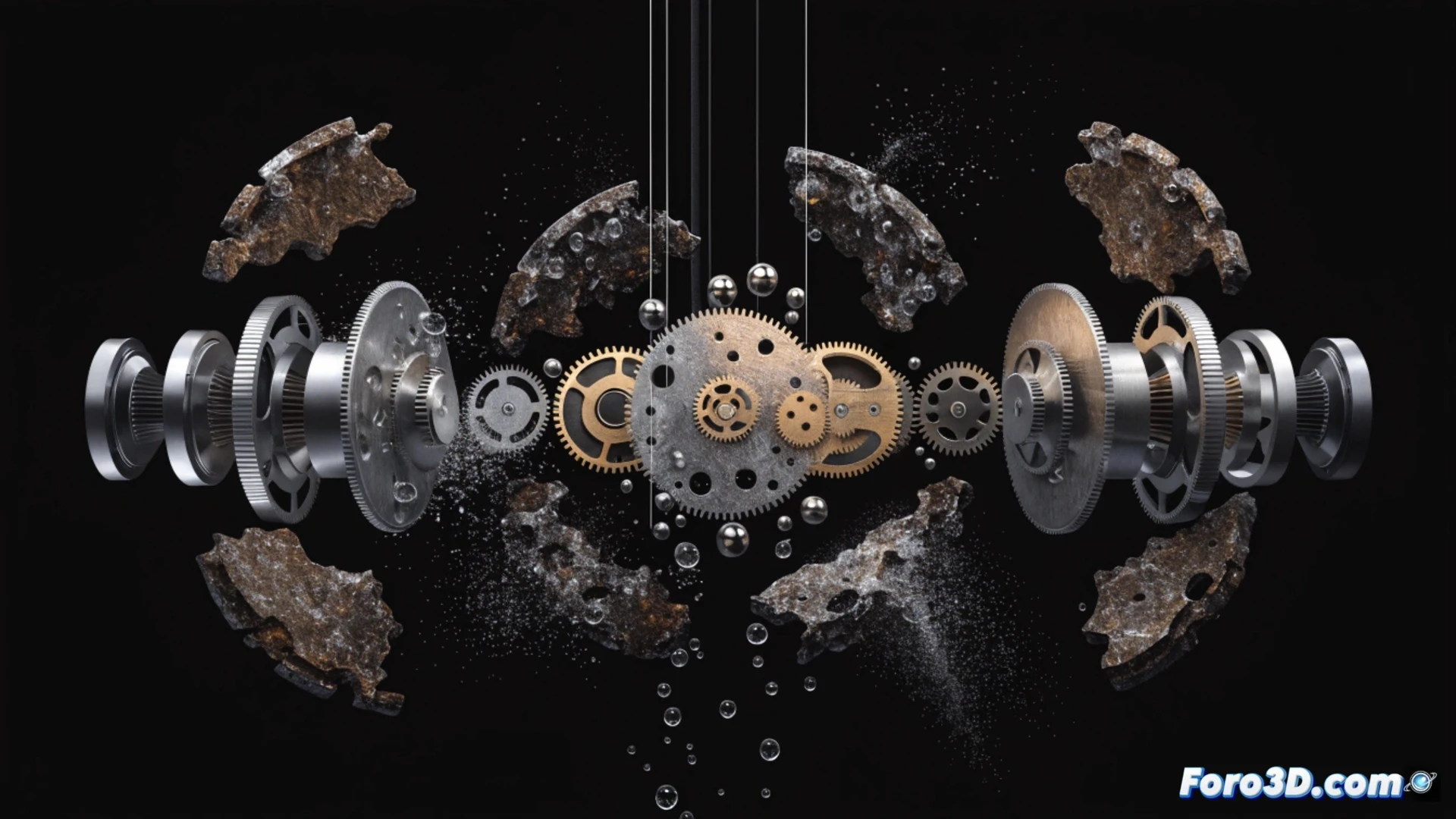
From digital design to the workshop: modeling and additive manufacturing 🛠️
To repair a pallet fork escapement, the watchmaker takes measurements with a digital caliper and reproduces the part in Rhinoceros 3D, using Grasshopper to adjust parameters. Then they export to STL and process it in Chitubox. The resin 3D printer (like the Anycubic Photon) solidifies layers of 10 microns. After washing and UV curing, the part is polished with a jeweler's file. The result is functional, although it requires manual adjustment of pivots and tolerances.
When your Rolex gets printed like a plastic toy 😅
Imagine taking a wristwatch to the workshop and the watchmaker telling you: don't worry, we'll 3D print it while you wait. It sounds like science fiction, but the reality is that you still can't repair a tourbillon with a desktop printer. However, if you lose the crown of your Casio, a PLA part will save the day. That said, don't expect the plastic to shine like gold; at least you won't have to sell a kidney for the original replacement part.