The United States government, through ICE, acknowledged for the first time that it uses commercial spyware to remotely hack phones. The tool is used against terrorist groups and fentanyl trafficking. However, the measure raises alarm due to the history of abuses in foreign governments, which used similar technology to spy on opponents, journalists, and activists. Experts fear that restrictions on manufacturers like NSO Group may be lifted.
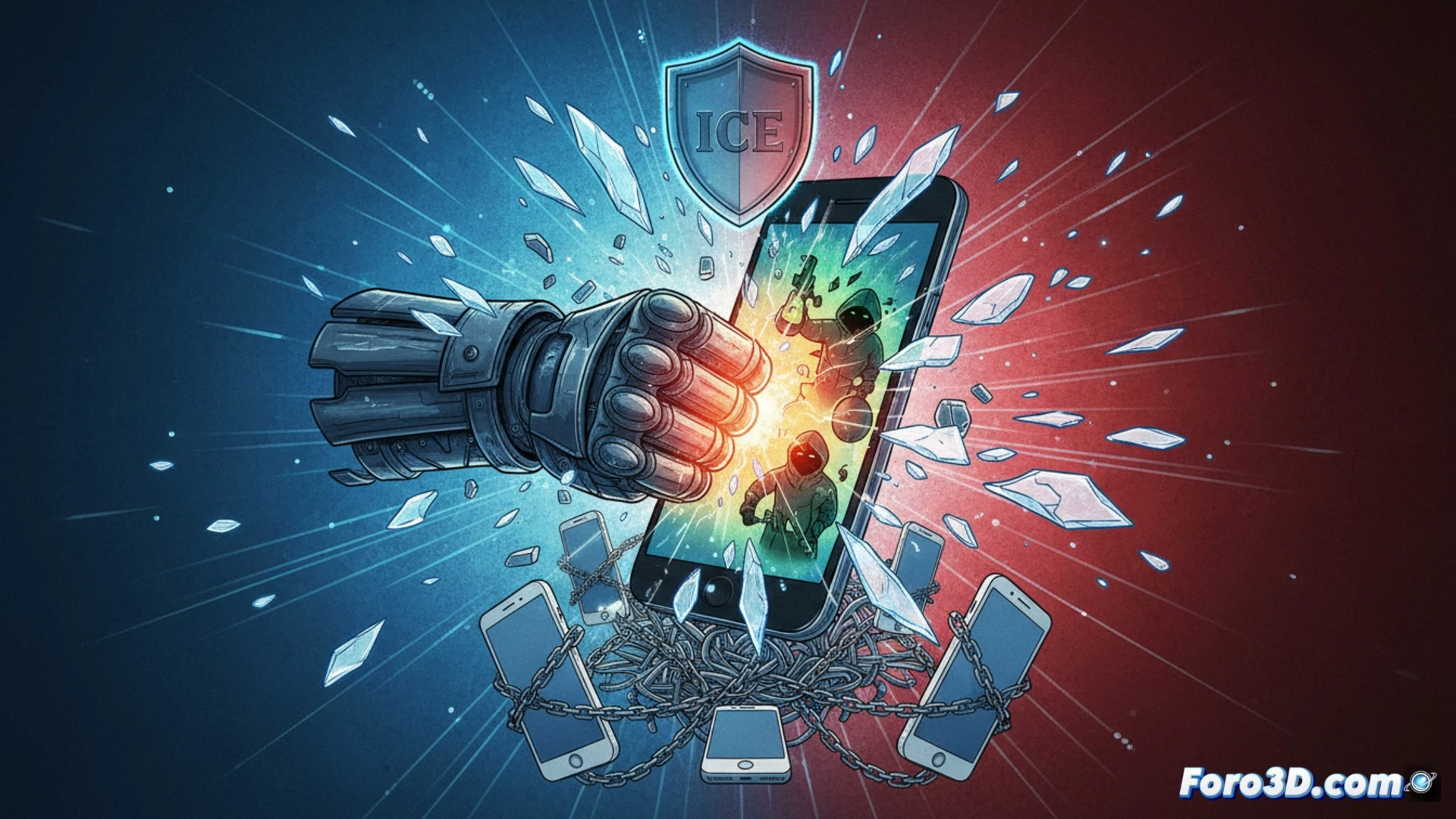
How spyware that remotely hacks phones works 🕵️
Spyware operates by exploiting vulnerabilities in mobile operating systems, primarily iOS and Android, without requiring user interaction. Once installed, it allows extraction of messages, contacts, photos, and activation of the microphone and camera. Tools like NSO Group's Pegasus rely on zero-day attacks, which are unpatched flaws. Remote access is achieved through malicious links or exploits in popular applications. The use of these techniques by ICE marks a shift in domestic surveillance policy.
Totem spies: now the government also wants to know what you're having for dinner 🍕
Because, of course, if the goal is to combat fentanyl, nothing is more logical than hacking a citizen's phone to see if they ordered pizza or sushi. The national security excuse is so elastic that even an NSA spy could fit into it. Soon we'll see ICE agents checking your Netflix history to make sure you're not watching narco series. After all, if the government can spy on you, it's for your own good, right? Don't worry, it's just to protect you from crime... and from your own apps.