The Lovegrove report on the HS2 railway project points out that the drive to achieve extreme speeds and the political pressure to move quickly were its main failures. Costs skyrocketed due to unnecessary over-engineering and shifting priorities. Transport Secretary Heidi Alexander is expected to confirm delays until after 2033 and spending exceeding £100 billion.
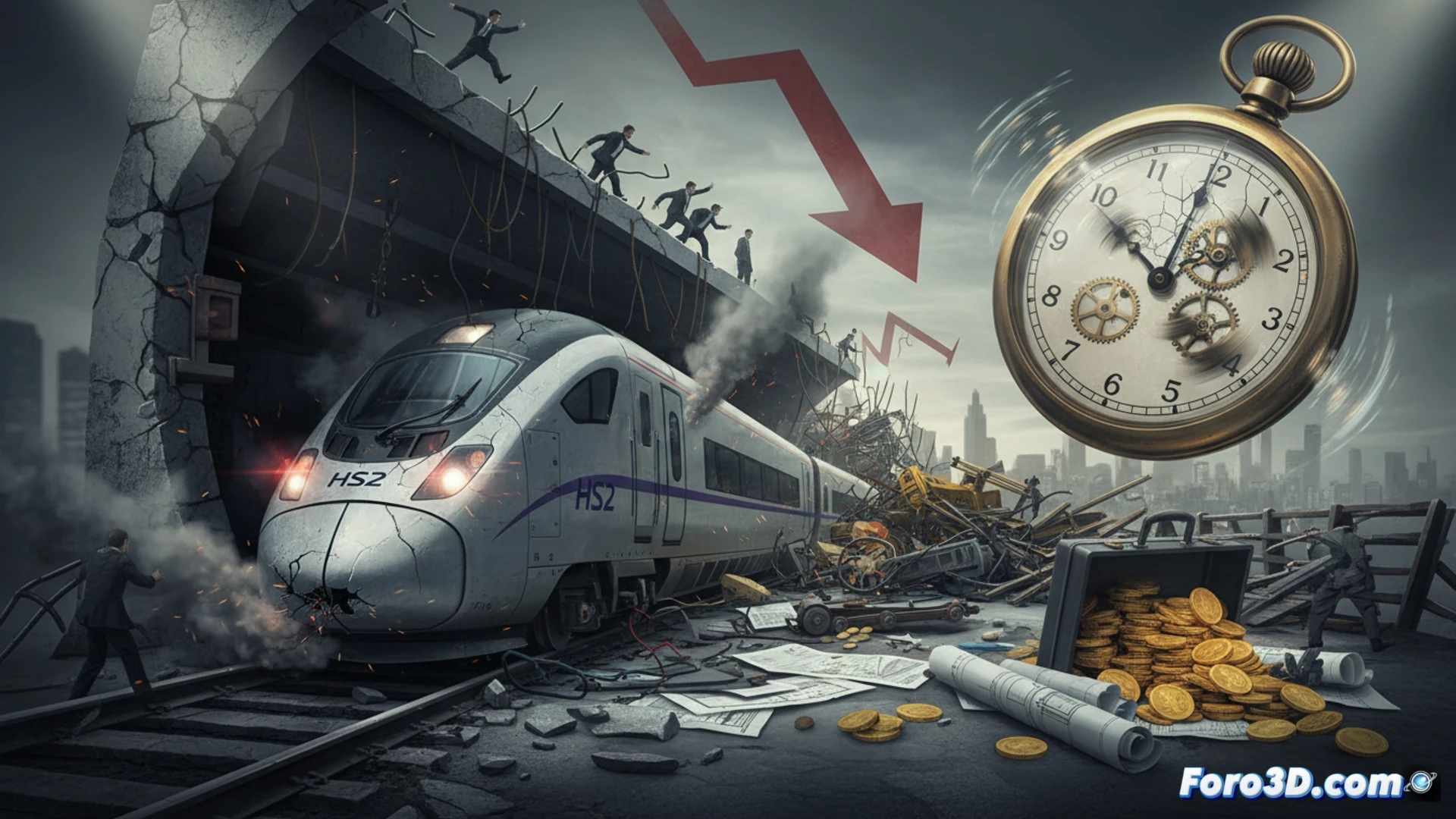
Over-engineering: the technical luxury that came at a high cost 🚄
The report details that the original design prioritized trains capable of exceeding 400 km/h, which required wider tunnels, straighter tracks, and complex signaling systems. Each kilometer of track became more expensive due to high-speed standards that, in the end, will only be used on short sections. The technical obsession neglected cost control and the project's real viability.
£100 billion and a train that doesn't even reach the platform 💸
The curious thing is that, after spending enough to buy a fleet of supersonic aircraft, HS2 will arrive late and at a cost that would make any Treasury minister pale. Perhaps next time, instead of designing a rocket train, they might consider a good express bus. At least it would arrive on time, and there would be money left over to pay for the trip's coffees.