Hospiten Rambla University Hospital has marked a milestone by incorporating 3D technology in minimally invasive cardiac surgery. This tool allows surgeons to visualize the heart in detail, plan with precision, and perform complex interventions through small incisions. The result is greater safety and a notable reduction in recovery time for patients.
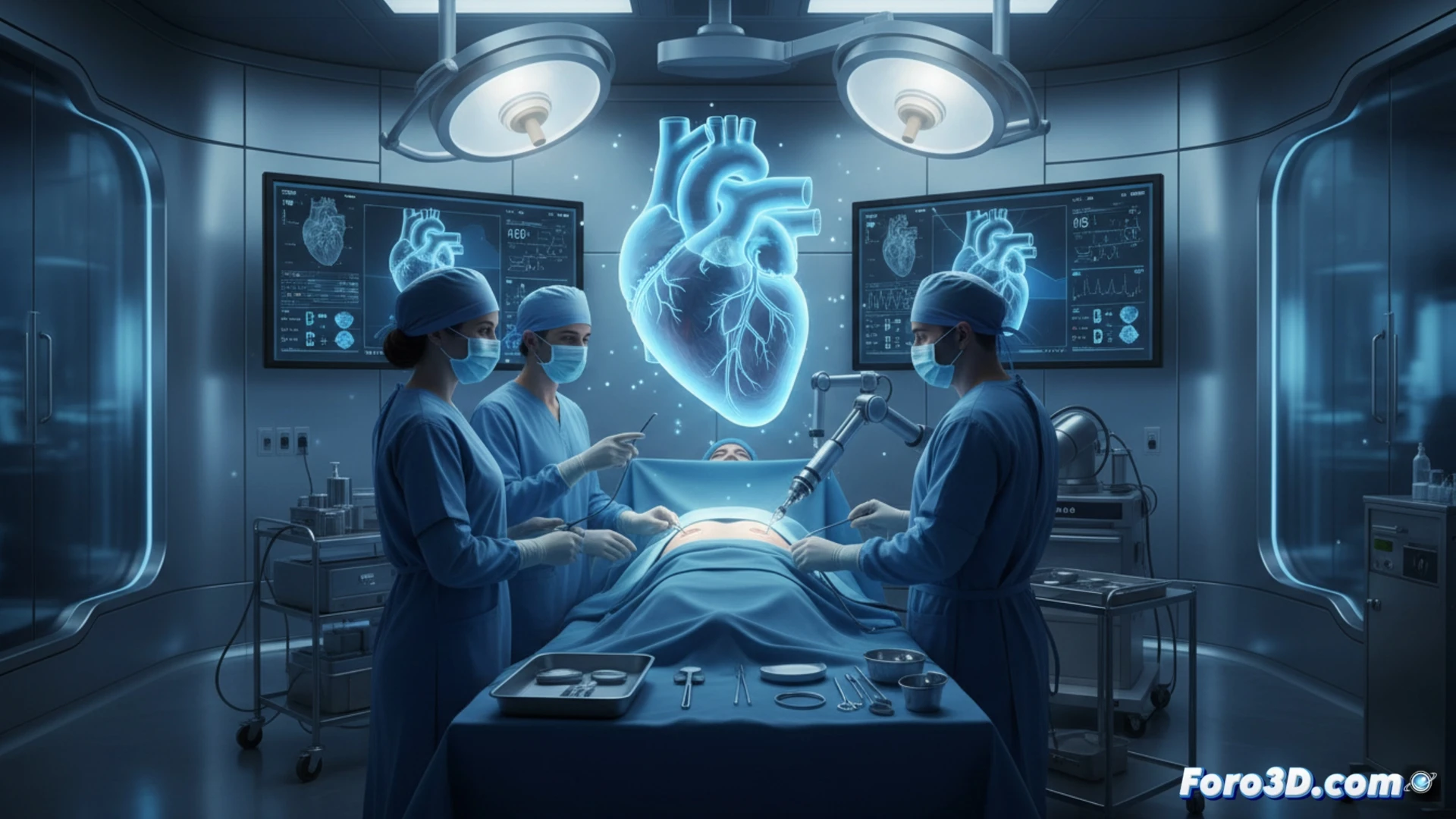
Virtual models for real surgical precision 🏥
The technology used generates three-dimensional reconstructions of the heart from CT or MRI images. Surgeons can rotate, enlarge, and section these virtual models to study each patient's unique anatomy. This allows them to anticipate obstacles, select the best approach, and perform surgery with less margin for error. By reducing incisions, postoperative pain and the risk of infections are decreased, accelerating hospital discharge.
The heart is no longer a black box (nor a cube) ❤️
Now surgeons can see the heart in 3D before opening it, as if playing Minecraft but for healing purposes. There are no more excuses for mistaking a ventricle or confusing the aorta with a vein. Of course, the technology does not include a reset-level function if something goes wrong. Fortunately, patients don't need 3D glasses to enjoy the result: faster recovery and fewer stitches.