After resolving vibration issues in Miami, Honda Racing is focusing its efforts on optimizing handling and energy management for the Canadian Grand Prix. Shintaro Orihara, chief engineer, noted that the goal is to improve the energy strategy so that drivers gain confidence, especially on a Sprint weekend that adds layers of complexity to the race.
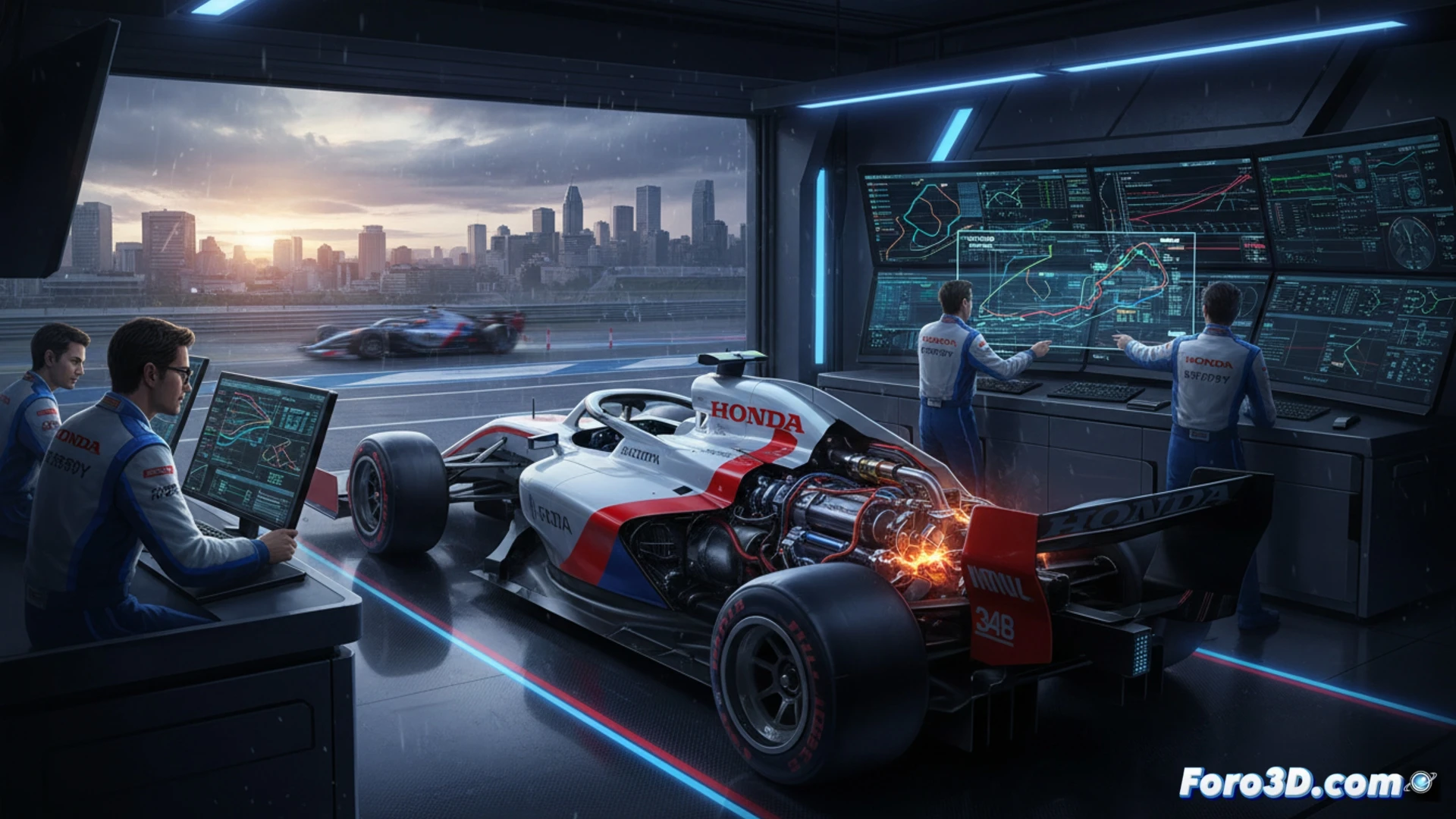
Energy strategy and driver confidence ⚡
The Japanese team aims to fine-tune engine mapping and energy recovery during braking, key factors on a semi-urban circuit like Montreal. Orihara explained that battery management and power deployment will be critical on the track's short straights and slow corners. Aston Martin, for its part, is trying to get the most out of the current power unit while awaiting upgrades that will allow them to close in on the front.
Sprint, the uninvited third driver 🏁
The Sprint format arrives in Canada like that friend who shows up unannounced and hungry. For Honda, it means less time to adjust the energy strategy and a greater risk that a mistake in Friday's qualifying could ruin the weekend. At least, if everything goes wrong, they can always blame the Miami vibrations, which are now behind them... or so they say.