The band Hombres G has released the documentary Los mejores años de nuestra vida, a review of four decades of a career marked by successes in Spain and Latin America and internal conflicts. During the promotion, drummer Javier Molina delivered a speech about creative freedom, stating that artists must put an end to the censorship of those who manipulate and direct them like puppets. A stance that, far from being a simple outburst, has opened the debate.
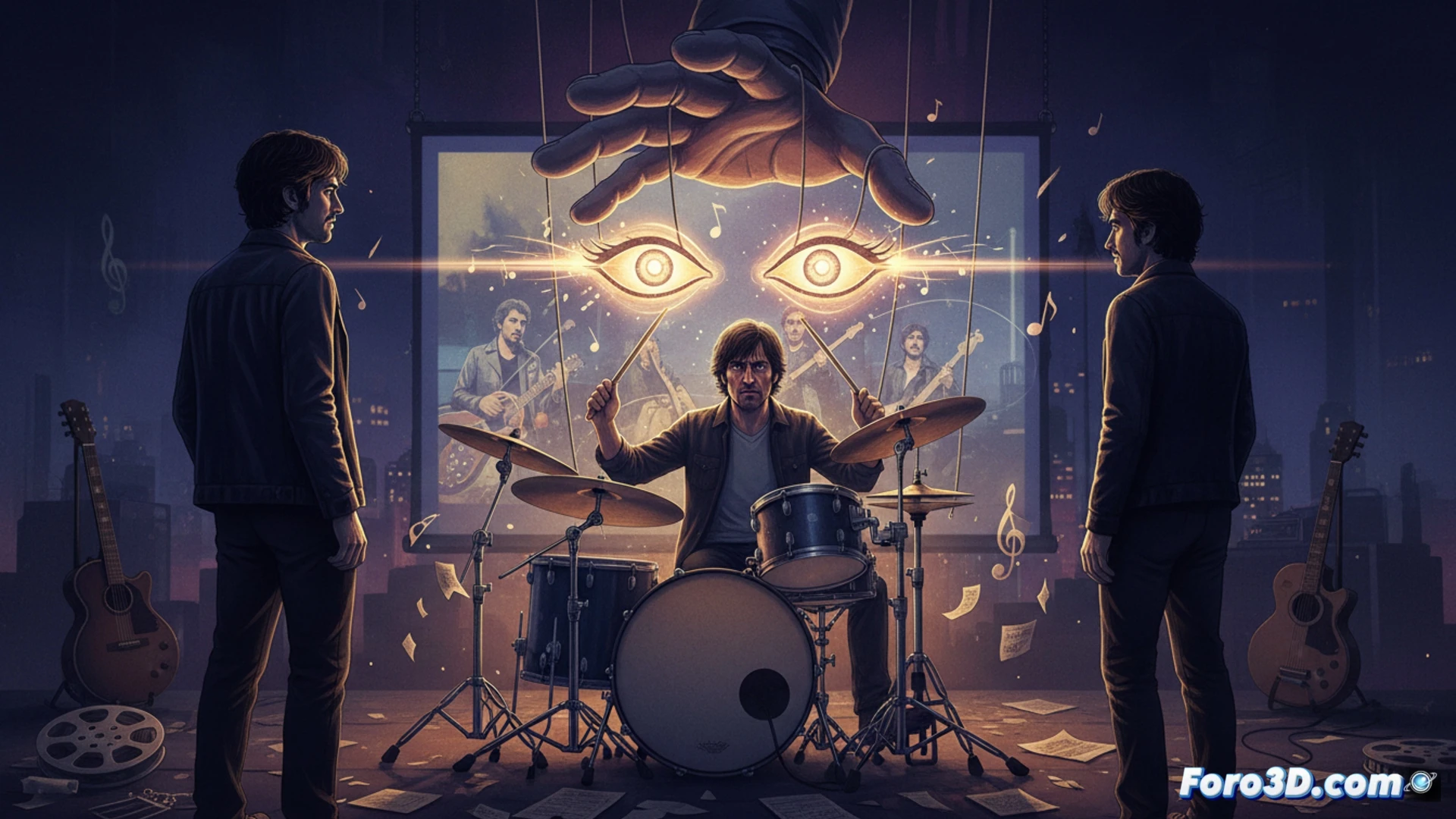
The technical development of freedom in the music industry 🎵
Molina's statement resonates in a sector where production software and distribution platforms exert silent control. DAWs like Pro Tools or Ableton allow editing, quantizing, and correcting every note, while Spotify's algorithms decide which songs reach the listener. The artist often becomes a cog in a system that rewards predictability. True creative freedom, according to Molina, would mean bypassing these layers of filters and returning control to the musician, even if that means not appearing on viral charts. A stance that clashes with market reality.
Puppets, censorship, and the business of selling t-shirts 🎤
Of course, it's easy to talk about breaking chains when you've been playing in stadiums for decades. But Molina's advice reminds me of that friend who tells you to quit your job to dedicate yourself to painting, while he lives off the royalties of Voy a pasármelo bien. Censorship doesn't always come from an executive with a mustache; sometimes it comes from the need to pay the rent. That said, if the next Hombres G album sounds like a jazz fusion experiment, we'll know who was to blame.