ExxonMobil has begun using Laser Metal Deposition (LMD) to manufacture titanium components in the oil and gas sector. The technique reduces costs, shortens production lead times, and minimizes material waste. It also allows for repairing damaged parts and on-demand manufacturing, improving efficiency in extreme environments such as offshore or desert fields.
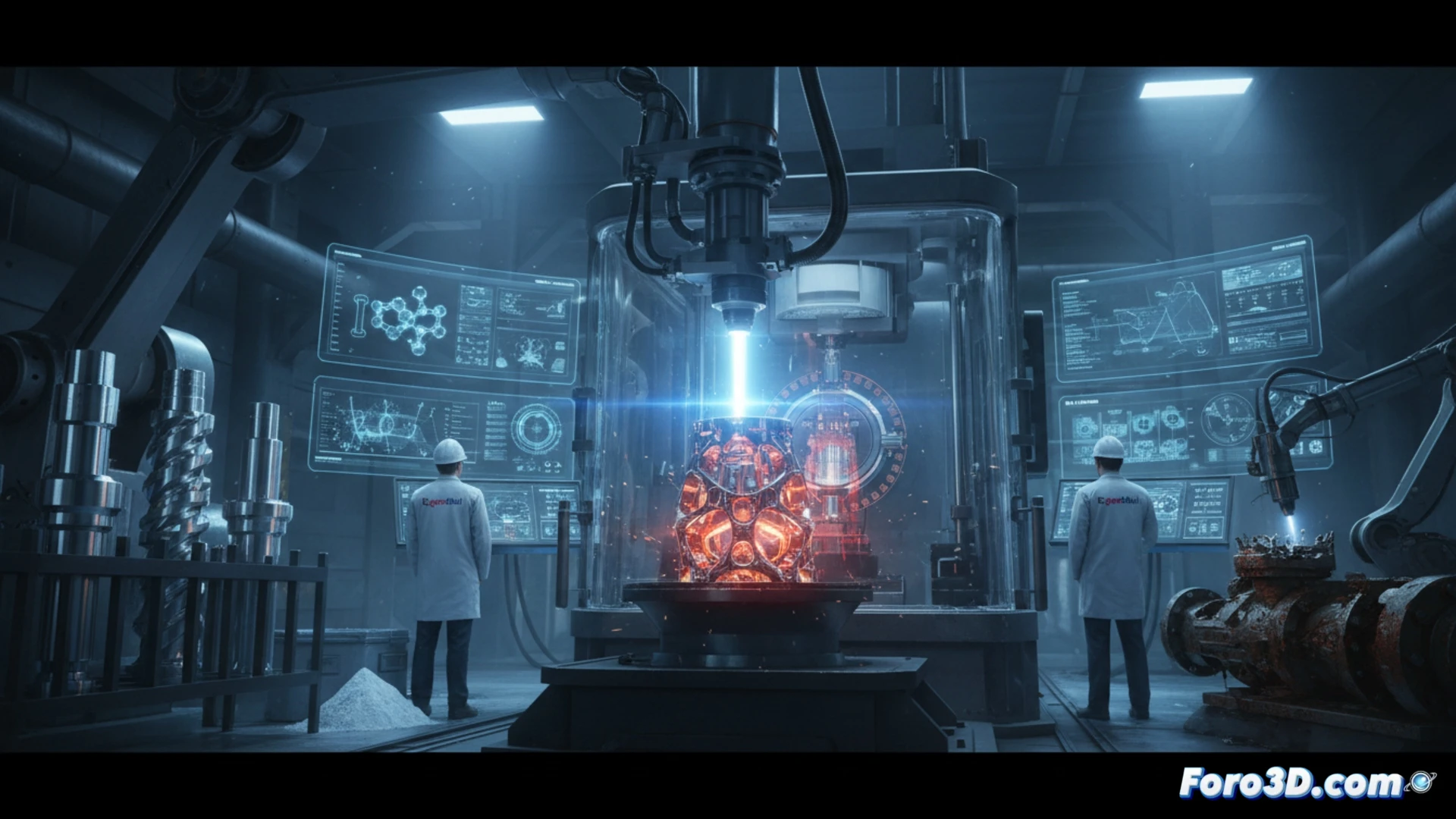
How LMD prints titanium on demand 🛠️
LMD works by depositing molten titanium powder with a laser onto a surface, layer by layer, until the desired part is formed. Unlike traditional forging or machining, less scrap is generated, and no expensive molds are required. ExxonMobil applies this technique to manufacture valves, impellers, and other critical components. The main challenge is the lack of industrial standards and specific certifications for these materials in the sector.
Goodbye warehouse, hello magic powder ✨
It seems the old warehouses full of rusty spare parts will become a thing of the past. Now, if a titanium part breaks on a platform, instead of waiting weeks for a replacement to arrive, technicians can print a new one while having coffee. Of course, be careful not to forget to load the titanium powder into the printer, because then the coffee gets cold and the repair turns into a sci-fi drama.