A joint study by ETH Zurich and the GEOMAR Helmholtz Centre has detected zinc of human origin in the South Pacific, the most isolated ocean in the world. This metal, released by burning fossil fuels and industrial processes, travels thousands of kilometers in aerosols before settling in the water. Today, its anthropogenic concentration exceeds the natural one in that region.
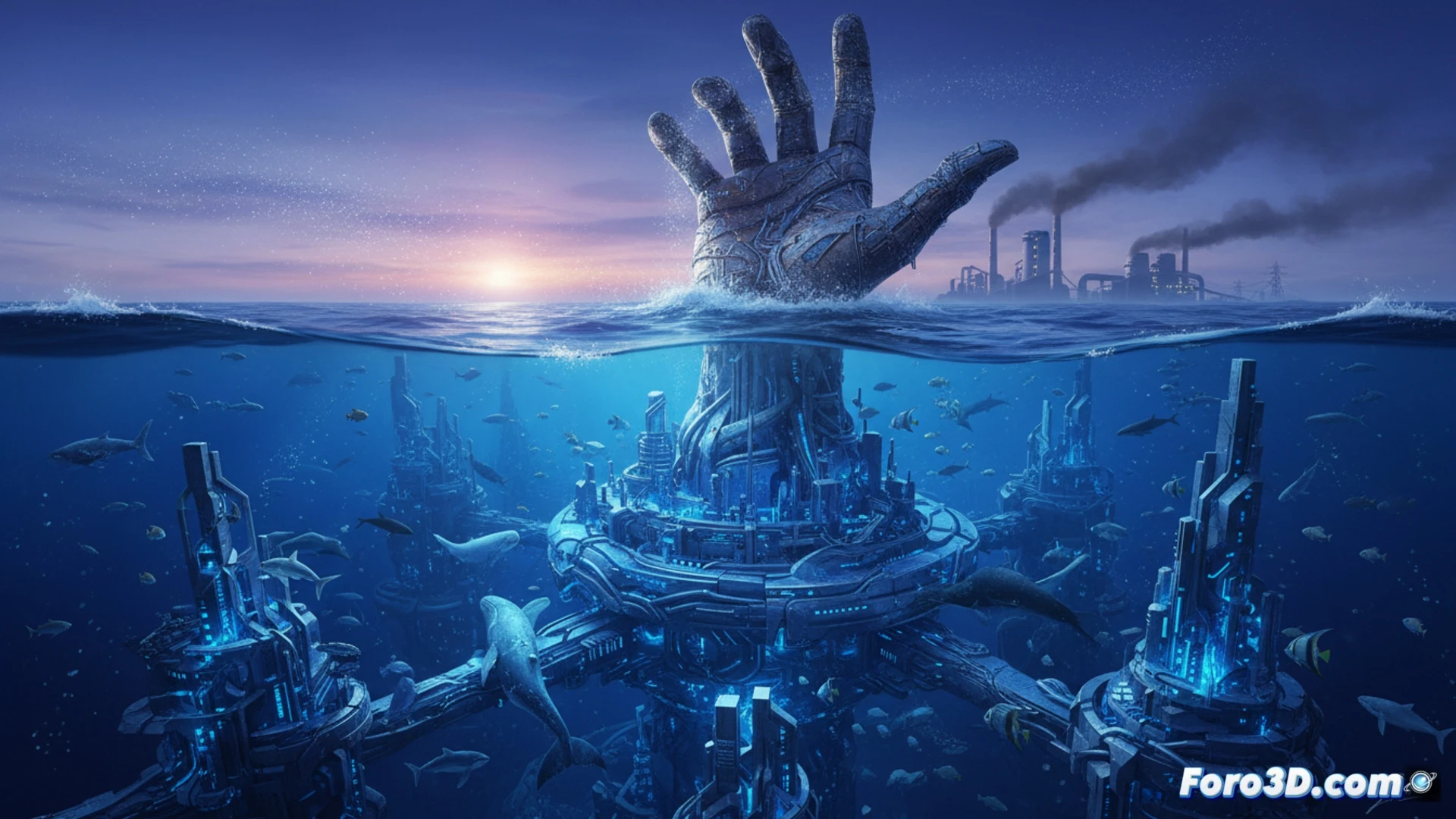
How pollution travels through the air and reaches the sea 🌍
The zinc emitted by chimneys and exhaust pipes does not fall immediately. It adheres to fine particles in the atmosphere, forming aerosols that air currents move on a global scale. Upon reaching the ocean, these aerosols dissolve or settle. Researchers used zinc isotopes to distinguish natural metal from human-made. The anthropogenic signal is clear: it dominates even in the South Pacific, an area without major local emission sources.
The purest ocean already bears our industrial stamp 🌊
We thought the South Pacific was the planet's virgin corner, a marine spa untouched by human hand. But it turns out our zinc reaches even there, courtesy of factories and cars. It's like leaving a fingerprint on a deserted beach, only the fingerprint is chemical and doesn't wash away with the tide. The most remote ocean already has industrial coasters.