The Golden Age of comics ended with a profound social shift in the 1950s. After World War II, the public grew tired of war propaganda and muscular superheroes fighting street crime. The market demanded lighter, more realistic stories, leaving behind Superman and Wonder Woman to make way for horror, romance, and science fiction.
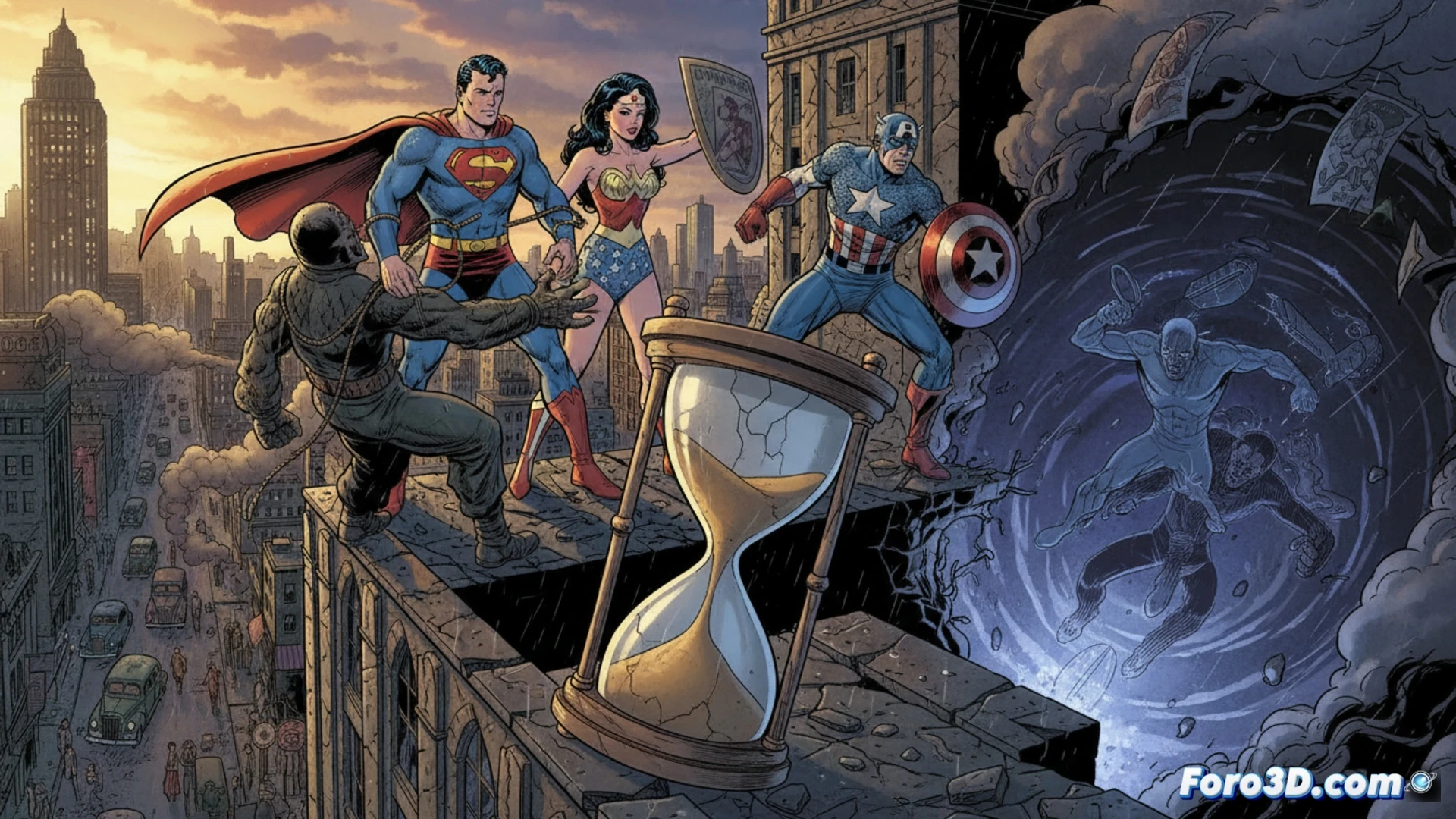
The technology that buried the supermen 🦸♂️
The advancement of color printing and mass distribution of magazines allowed publishers like EC Comics to dominate with horror and crime titles. The self-censorship code of 1954, driven by the psychiatry of the era, banned violent scenes and nudity. Superheroes lost their space on newsstands, replaced by stories of monsters and detectives that needed neither capes nor special powers.
The day the heroes lost their jobs 💼
Imagine Superman looking for a job in 1955. Opportunities were scarce. Publishers preferred to print stories about cowboys or damsels in distress. Even Batman had to swap the Batmobile for a patrol car. Censorship was so strict that villains ceased to be galactic threats and became grumpy neighbors. An identity crisis with no mask to hide behind.