When decisions were made to shut down several nuclear power plants, a cleaner future was anticipated. The reality was different. With that stable generation missing, gas and coal plants that were in reserve were brought back online. For several years, CO2 emissions rose as fossil fuels were burned to meet demand. A turn few expected.
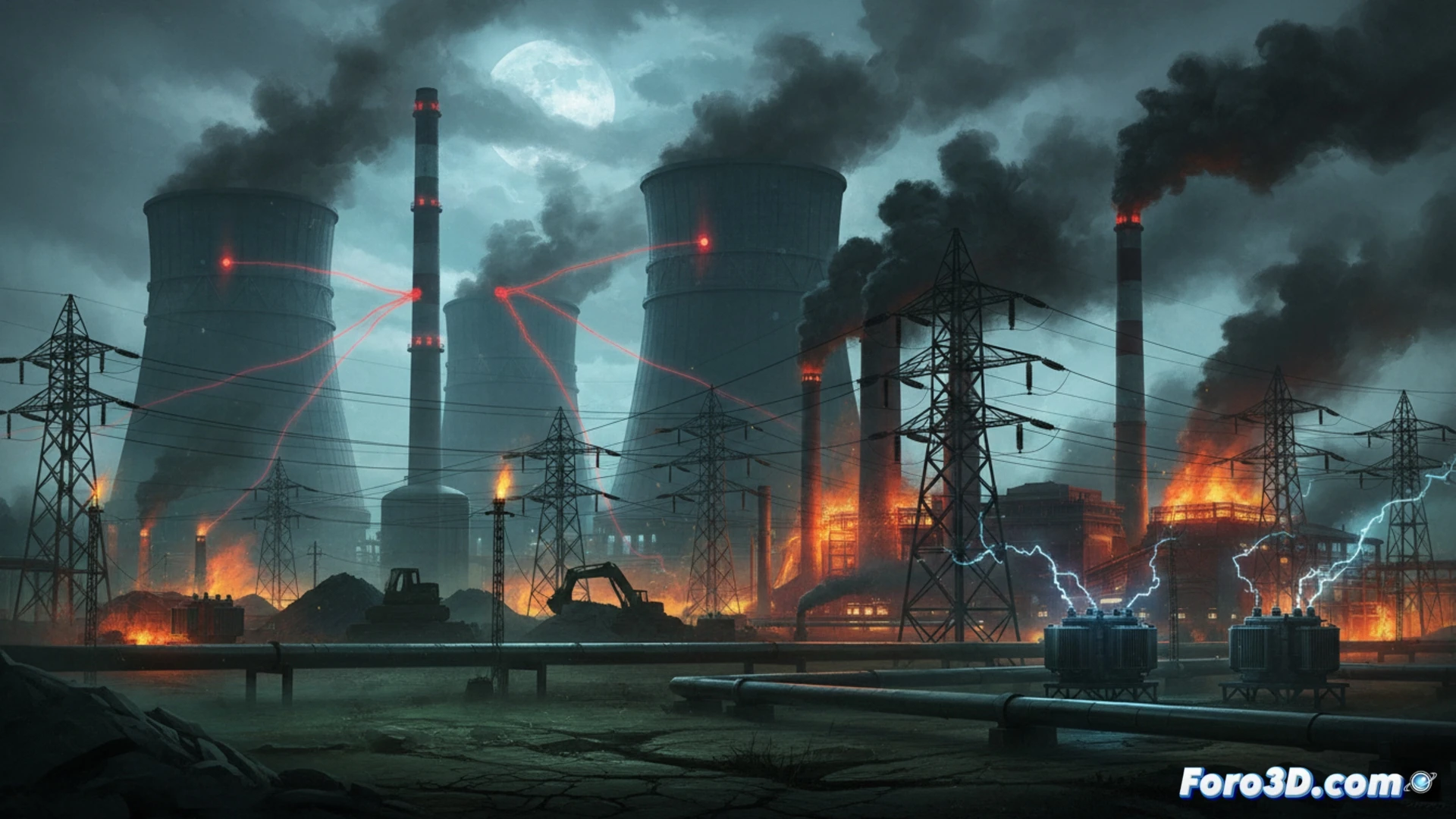
The nuclear void and the technical dependence on fossils ⚡
Nuclear plants operate with a capacity factor above 90%, generating baseload electricity without interruptions. When they were closed, the grid lost that firm power. Renewables, despite their growth, do not guarantee a constant supply. To avoid blackouts, combined-cycle gas plants and coal plants were activated. These units, designed for backup, began operating continuously. The result was an increase in the fuel bill and carbon emissions for at least three consecutive years.
Shutting down clean to turn on dirty: brilliant idea 💡
It turns out that closing a plant that barely emitted CO2 to turn on a coal one is like turning off the tap for drinking water to drink from the toilet. But hey, it was surely a very well-thought-out decision. In the end, the air filled with smoke, bills went up, and the only thing that became clear is that, sometimes, what seems like an environmental advance is just a one-way trip to the coal station 🚂.