A recent anthology unearths the work of nineteen women who actively participated in the surrealist movement. Far from being mere muses or companions, these writers developed their own voice and contributed to the expansion of surrealism from Europe to other continents. The book challenges the official narrative that had relegated them to oblivion.
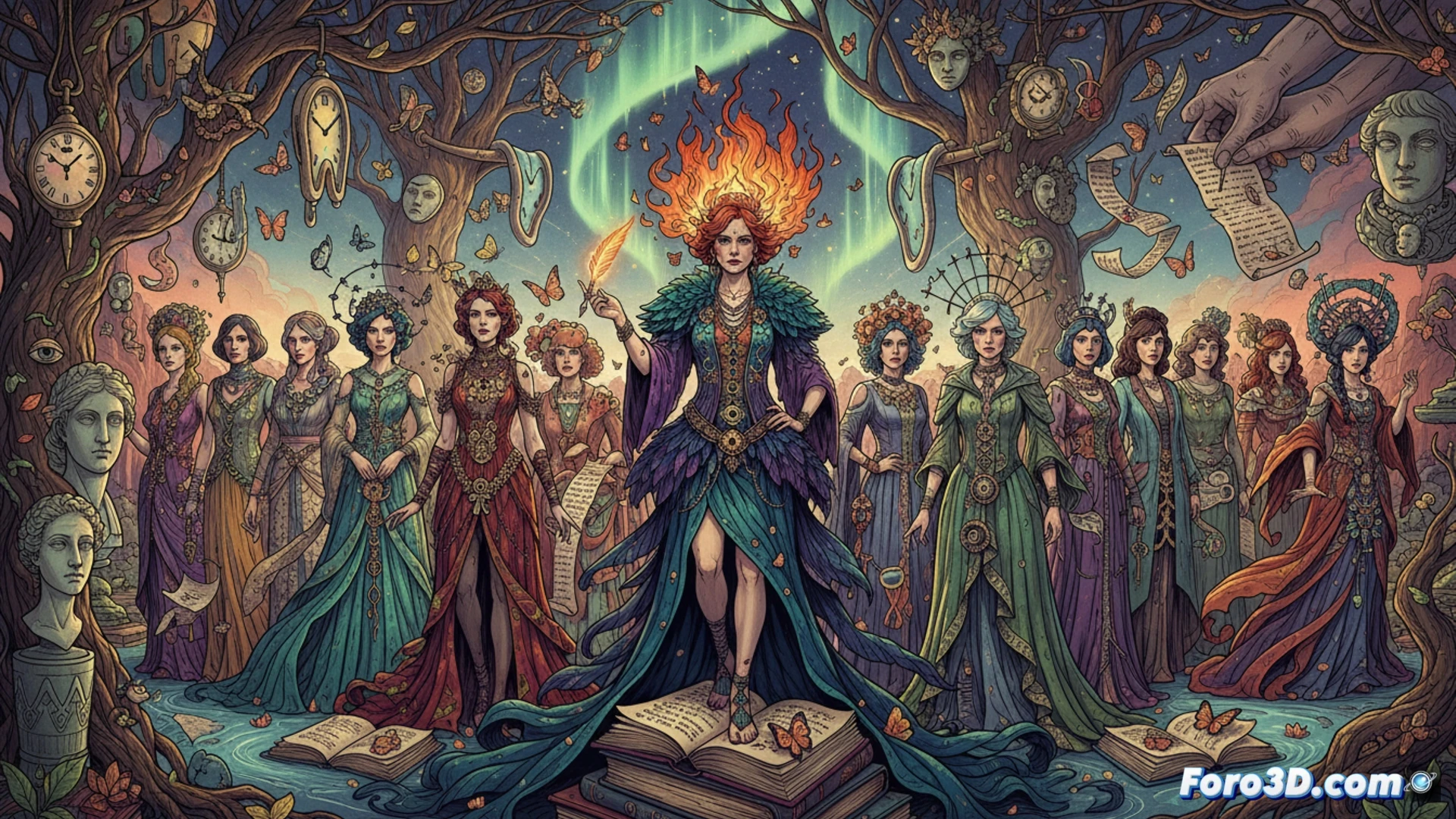
The Poetic Algorithm: How AI Reveals Hidden Authors in Historical Archives 🤖
The process of recovering these poets involved digitization techniques and metadata analysis in archives of magazines and manifestos from the first half of the 20th century. Using text recognition tools and data mining, researchers identified signatures, pseudonyms, and collaborations that had been ignored by traditional criticism. This technological approach allowed cross-referencing between publications from Paris, Mexico City, and Cairo, tracing a network of influence connecting authors such as Leonora Carrington, Unica Zürn, and Gisèle Prassinos.
Muses, Rather: The Software That Detects Patriarchal Excuses in Manuscripts 🔍
It turns out that for decades, all it took was a marginal note saying a friend wrote this for the text to be forgotten. Now, a natural language processing algorithm has analyzed those annotations and discovered that the word muse appeared just before erasing female authorship. The system, named the Historical Excuse Detector, also found a correlation between the cups of coffee critics drank and their tendency to write this is too good to be by a woman.