3D technology is not only useful for making dragon figures or car parts. In the broadcasting profession, it can be a practical tool for solving physical problems. A clear example: manufacturing a custom microphone stand that adapts to the user's posture, preventing neck strain during long recording sessions. 🎙️
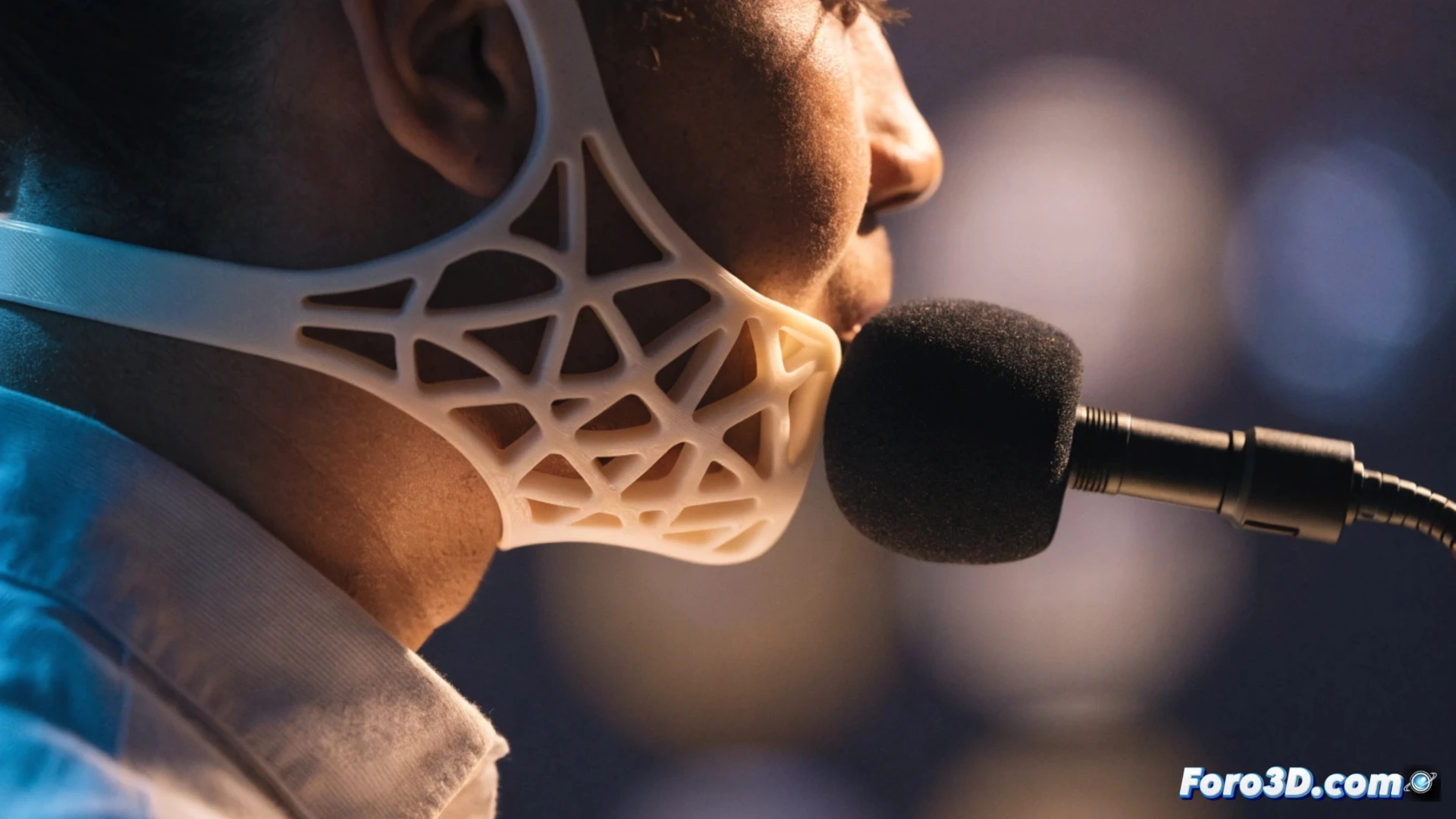
Modeling and manufacturing studio accessories 🛠️
To create these stands, you need modeling software like Fusion 360 or Blender. You design a piece that fits onto the microphone's articulated arm and holds a pop filter at the exact distance from your lips. Then, an FDM printer with PLA or PETG filament is enough to materialize it. You can also print headphone stands or cable protectors to prevent tangles. The process is straightforward: measure, model, export to STL, and slice with Cura or PrusaSlicer.
The day I printed my own tongue (and almost ate it) 😅
Of course, there's always someone who gets too clever. A colleague decided to print an exact replica of his tongue in flexible TPU to practice diction. The problem came when it fell into his coffee and, upon rescuing it, it looked like a reheated slug. Now he uses it as a coaster, which at least cushions the noise of the glass against the table. The moral: print stands, not organs. Your voice will thank you, and so will your coffee maker.