Colossal Biosciences has presented an artificial eggshell to help bring back the moa, an extinct bird from New Zealand that stood over three meters tall and weighed 200 kilograms. The company aims to solve a key problem: the size of this species' eggs, which exceeds that of any current bird. The invention consists of a framework with a transparent silicone membrane designed to house developing moa embryos.
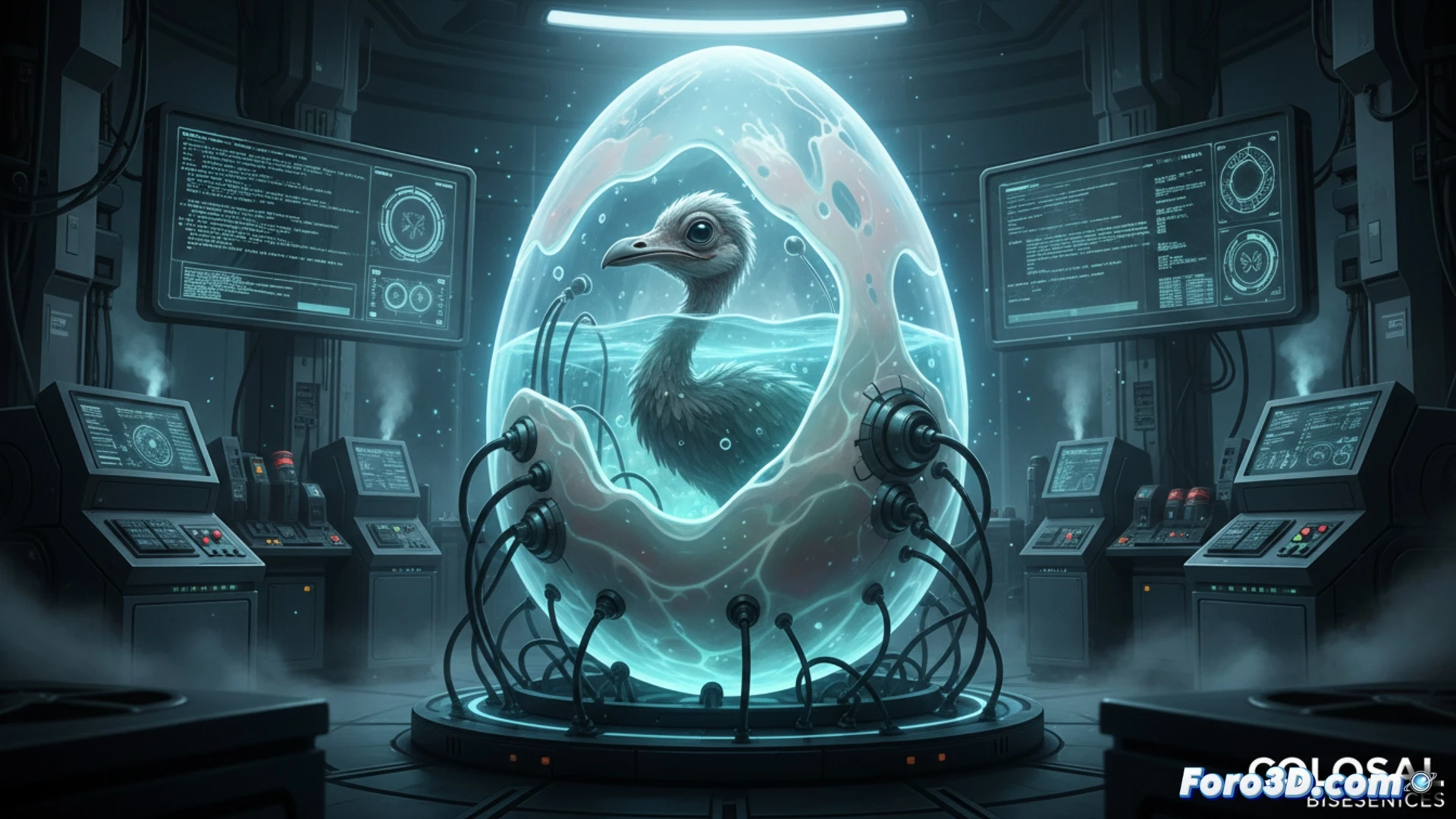
Silicone and structure: the technical challenge of the giant egg 🥚
The development is based on a framework that supports a transparent silicone membrane, capable of replicating the properties of the original eggshell. The company claims that this system will allow moa embryos to be incubated without the need for a natural egg of that size, which does not exist today. The membrane must maintain the humidity, gas exchange, and structural strength necessary for a 200-kilogram embryo. No functional tests with live embryos have been shown yet.
Moldable silicone: the egg that no hen lays 🐣
The idea of a silicone eggshell sounds like a DIY craft taken to the extreme. Now all that's missing is for someone to design an incubator the size of a closet and a nest capable of holding such a plastic egg. The next step will be to see if the moa, upon hatching, doesn't mistake the membrane for a giant piece of gum. Meanwhile, current chickens can breathe a sigh of relief: no one will ask them to lay a three-meter egg.