The character Bedlam, created by John Francis Moore and Steve Epting for Marvel Comics, presents a unique ability: generating bioelectric fields that interfere with electronic systems and the human nervous system. From an Intellectual Property perspective, this design is not only a protected work, but its specific power (signal manipulation) opens a technical debate on how the representation of an intangible ability is protected in copyright registration, especially when transferred to digital formats such as 3D models or animations.
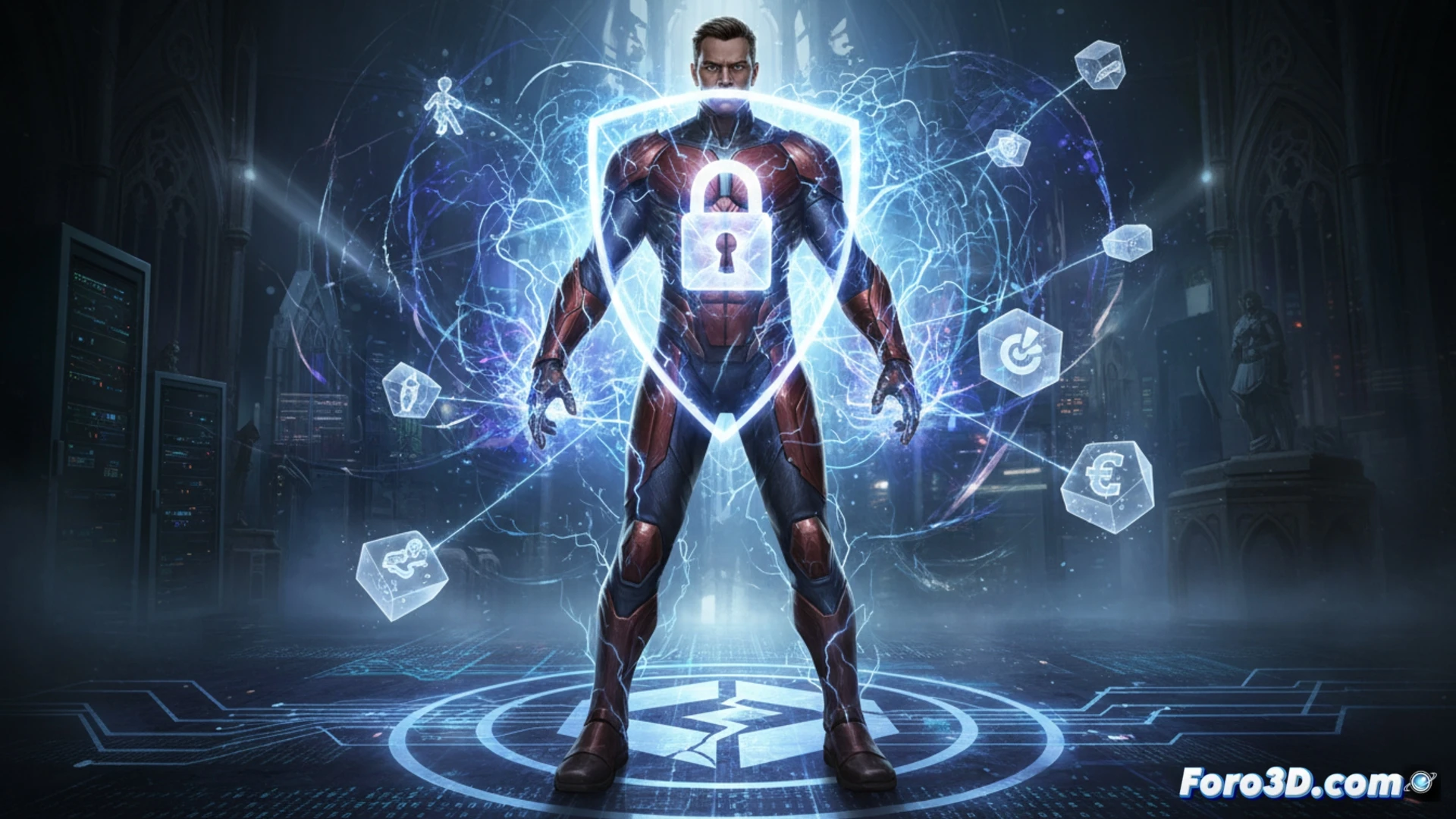
Legal protection of bioelectric design in 3D models ⚡
Registering a character like Bedlam with the U.S. Copyright Office protects its visual appearance and distinctive character, but the rise of digital downloads and NFTs has created a technical gap. A 3D modeler could recreate Jesse Aaronson's silhouette and sell it as an animated figure with static electricity effects. However, infringement is not always obvious: if identifying features (such as the uniform or hairstyle) are removed, but the ability to emit interference fields is retained, the court must determine whether the power is a core element of the character. The Marvel vs. NCSoft case (City of Heroes) set a precedent regarding the creation of avatars with mutant-like powers, suggesting that simple game mechanics are not infringement if they do not replicate the exact lore.
The dilemma of unauthorized digital interference 🔌
Bedlam's bioelectric interference is a perfect metaphor for the current legal conflict: copyrights attempt to block the unauthorized circulation of digital works, but technology (such as generative AI or decentralized marketplaces) allows circumventing that containment field. If an independent creator launches an NFT of a mutant emitting electrical pulses, Marvel could claim trademark dilution. However, the defendant could argue that the power to interfere with systems is a generic science fiction trope. The key will be whether the original character design (with its history and name) is so iconic that any representation of an electrified human automatically evokes Bedlam, forcing judges to define the boundaries between inspiration and slavish copying.
If Bedlam's bioelectricity is tokenized as an NFT granting usage rights over its visual representation, but the character remains Marvel's property, how would the conflict between the studio's copyright and the buyer's digital property be resolved in a hypothetical lawsuit?
(PS: Thaler wanted his machine to be an author, I just want my 3D printer not to jam at 3am)