A pilot project in New York has tested a novel method to reduce atmospheric carbon dioxide: adding green sand composed of olivine to the ocean. Initial results show that this process, called enhanced weathering, did not affect seabed organisms. The mineral reacts with seawater to trap CO2 in a stable form.
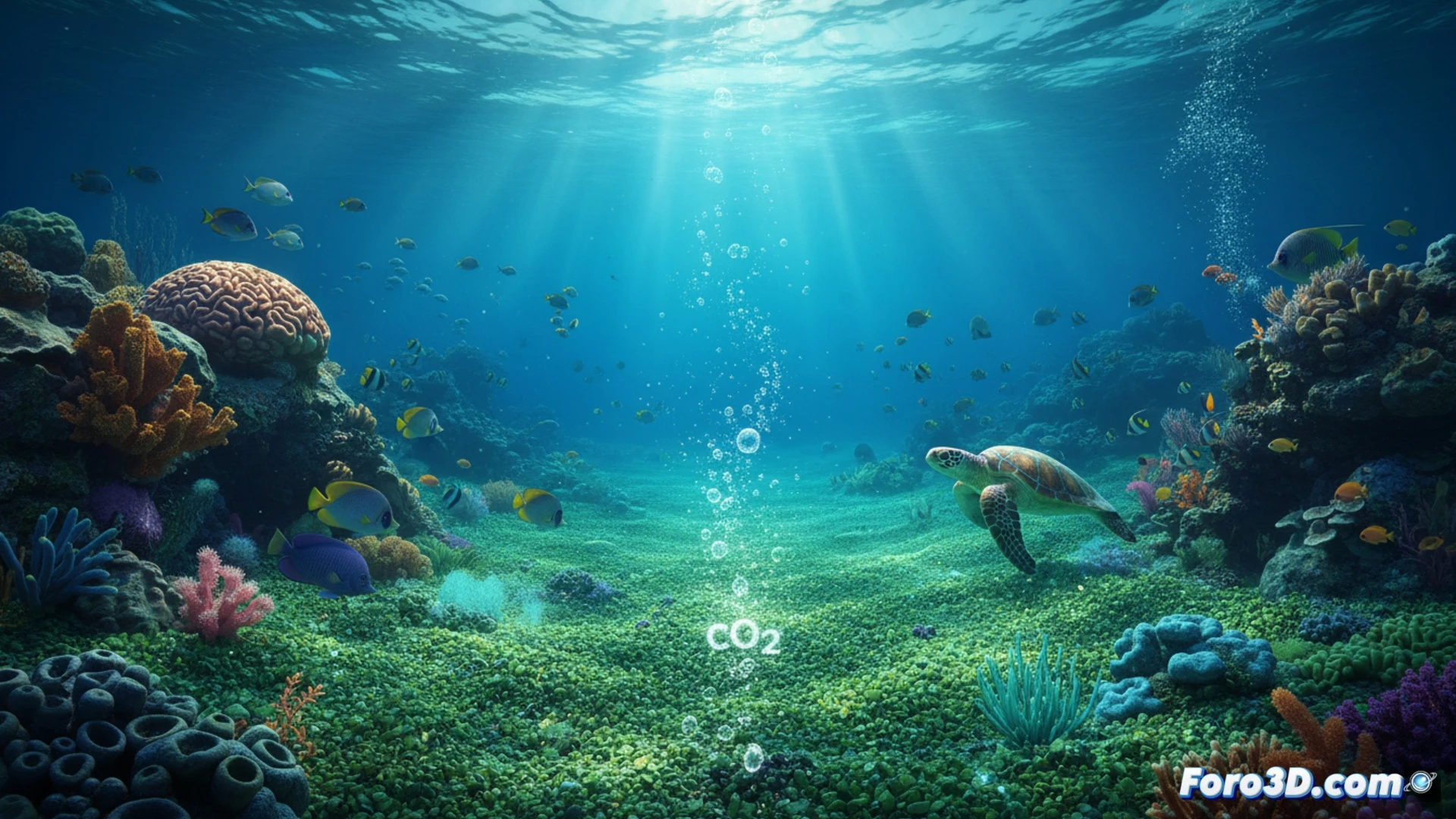
How enhanced weathering with olivine works 🌊
Olivine, a magnesium-iron silicate, slowly dissolves in seawater. This chemical reaction consumes dissolved CO2 and converts it into bicarbonate and carbonate ions, stable compounds that remain in the ocean for centuries. The study monitored the sand on the seafloor for two years, verifying that there were no significant changes in local acidity or toxic effects on benthic fauna.
The magic sand that doesn't scare the fish 🐟
It turns out that dumping sand into the sea is not as crazy as it seems. While humans have been polluting the ocean with plastics and chemicals for decades, now it turns out we can throw crushed rocks to solve the problem. The fish didn't even notice the experiment, probably because they were busy complaining about microplastics. That said, we'll have to see how much sand we need to absorb our emissions.