After the closure of several nuclear power plants due to political or social pressure, countries like Germany and Japan faced a predictable problem: electricity generation was insufficient. The emergency solution was to reopen coal plants, the most polluting source. A move that many describe as a step backward in the climate fight.
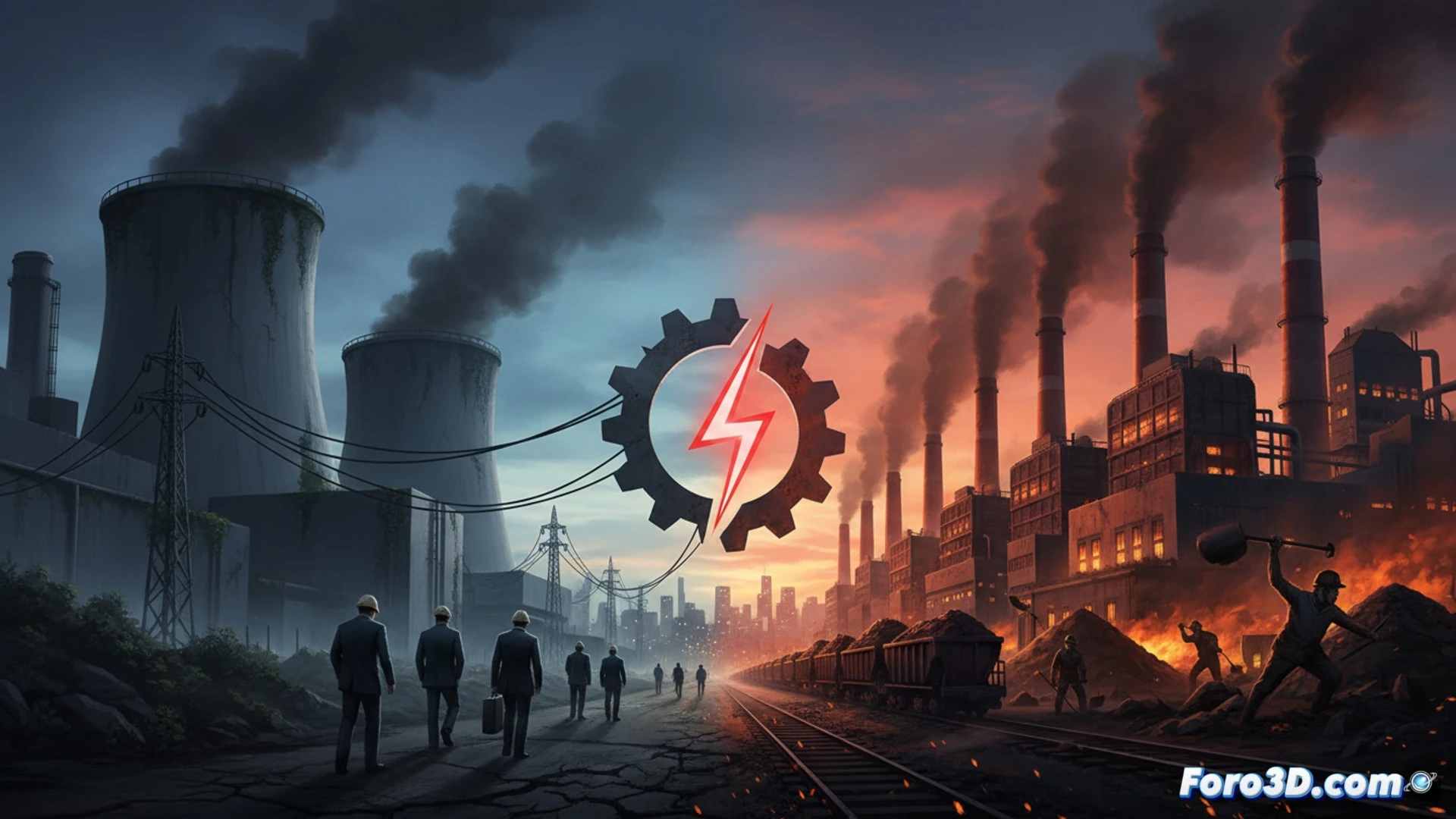
The technical dilemma: intermittent renewables vs. stable baseload ⚡
The energy transition requires baseload power sources, something that nuclear provides with high availability. By retiring these plants without massive energy storage (grid-scale batteries), the grid becomes dependent on gas or coal to cover peaks. Battery technology is advancing, but it still does not replace the constant output of a 1 GW nuclear reactor operating 24/7.
The master plan: shutting down clean to open dirty 😅
The strategy was brilliant: shut down nuclear plants that emitted no CO2 to then burn coal, which does. It is like leaving the electric car at home to drive a diesel to work because the gas station across the street has better coffee. Expert-level energy efficiency: pollute more to solve a problem that did not exist.