The military agreement between Anduril and Meta for $159 million crosses a delicate line. Augmented reality glasses, powered by artificial intelligence, could identify targets and display objectives in real time. This automates violence and blurs the boundary between civilians and combatants, an ethical dilemma of unknown dimensions.
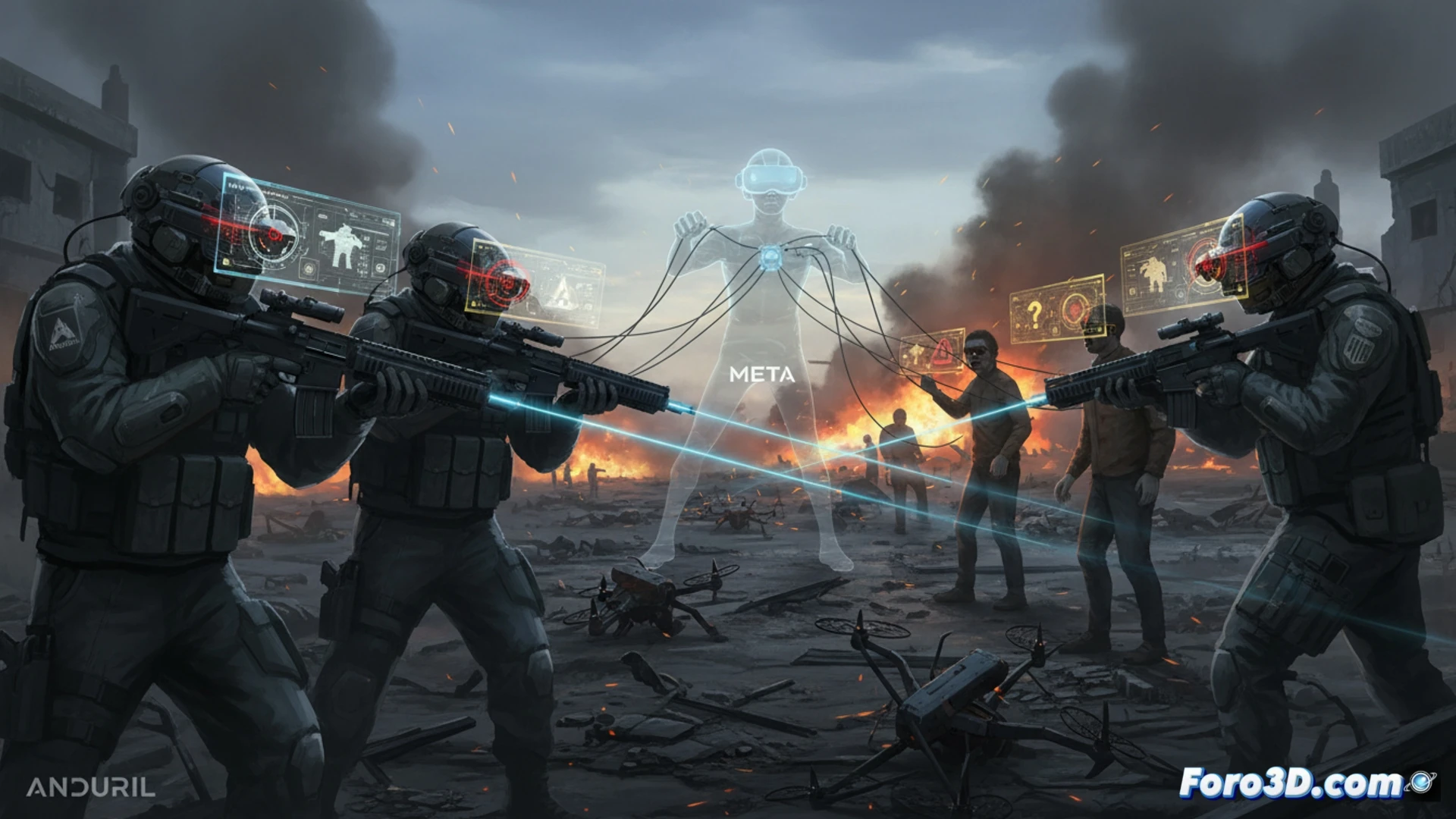
Technology to see, aim, and shoot with a glance 🎯
The system envisions that the user can order drone attacks simply by following a target with their eyes and giving voice commands. The AI processes the environment, decides what constitutes a threat, and displays it on the glasses. This integration between consumer hardware and military software turns war into an almost automated process, where the final decision can rest in the hands of an algorithm trained on video game data.
From losing money on avatars to selling glasses for war 💀
Meta lost billions trying to make you dance like a puppet in the metaverse. Now, thanks to current conflicts and increased military budgets, they have found a client that does pay: the Pentagon. Virtual reality has gone from being an amusement park to a sniper scope. At least, if you get shot, it will be with the same technology you used to play paintball.