In 1992, Infogrames released a game that changed the rules of horror. Alone in the Dark combined an oppressive Lovecraftian atmosphere with three-dimensional characters made of polygons, a technical rarity for the time. Far from flat sprites, the Derceto mansion came to life with fixed camera angles and a sense of claustrophobia that few titles had managed to convey until then. It was a risky experiment that marked a before and after in the genre.
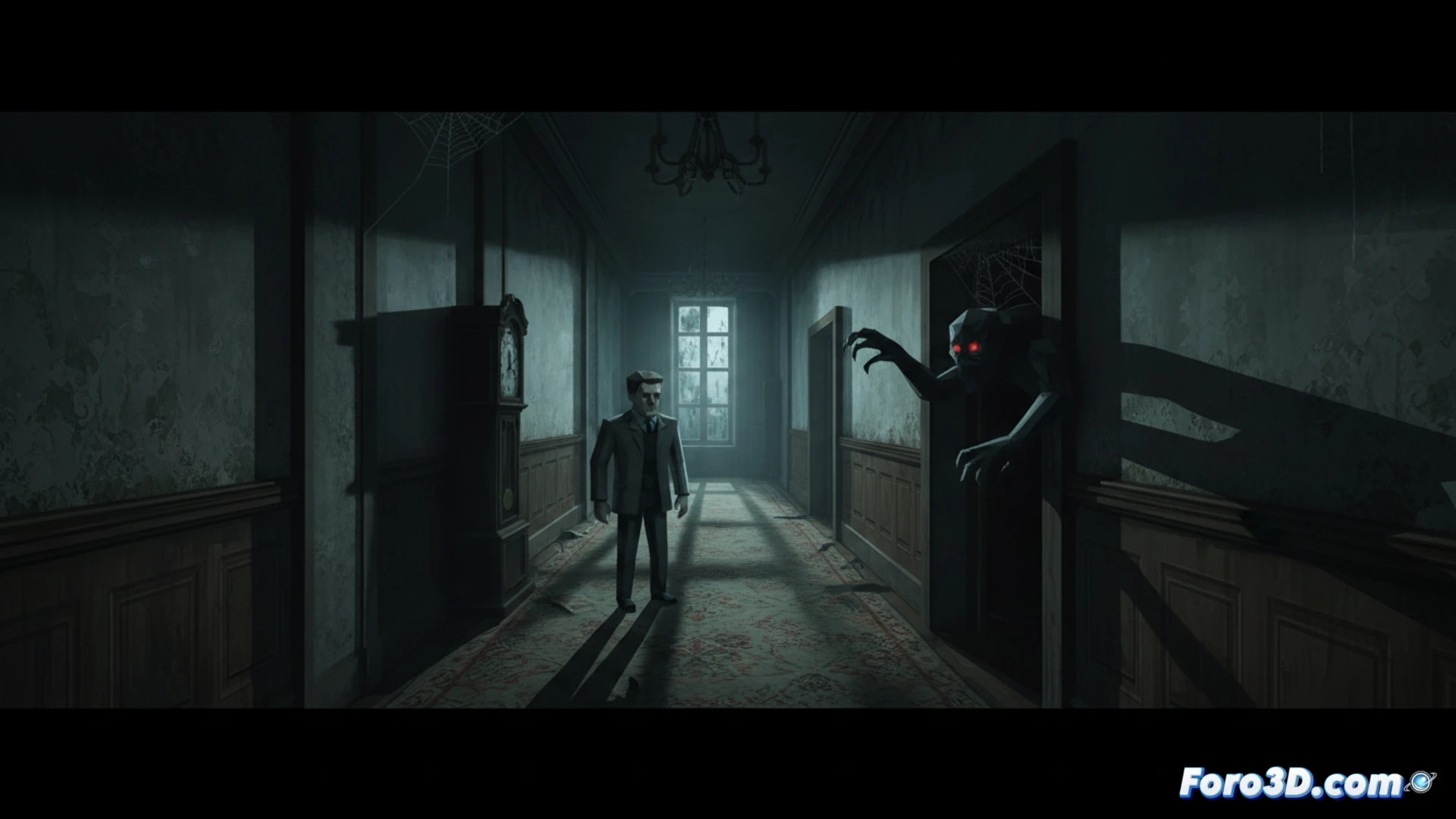
Polygons, pre-rendered backgrounds, and a custom engine 🕹️
The technical development was a challenge. The team used a homemade 3D engine to model the protagonists and monsters with just a few hundred polygons, while the backgrounds were fixed pre-rendered images. This allowed for an illusion of depth without demanding powerful hardware. The tank controls, considered archaic today, were necessary to navigate those static scenes. The dynamic lighting, though limited, managed shadows and effects that increased the tension. All of this running on 1992 hardware.
Leaps of faith and puzzles nobody asked for 🤔
Of course, not everything was perfect. Jumping in this game was a gamble: you never knew if your polygonal character would fall into the void or stay floating on the edge of an invisible platform. The puzzles, moreover, seemed designed by a librarian with a grudge. A key inside a piano in a sealed room? Of course. But hey, if you managed to dodge the bugs and the absurd riddles, a horror experience awaited you that, for 1992, was almost as real as life itself. Or at least, as real as life in a haunted mansion.