On May 6, it will be 25 years since the murder of Manuel Giménez Abad, president of the PP of Aragon, at the hands of ETA. His son Borja, who was accompanying him on the way to La Romareda, relives the moment his father was shot in the back and finished off on the ground. He asks to keep his memory alive to make clear the story of who his executioners were and to prevent oblivion from whitewashing history.
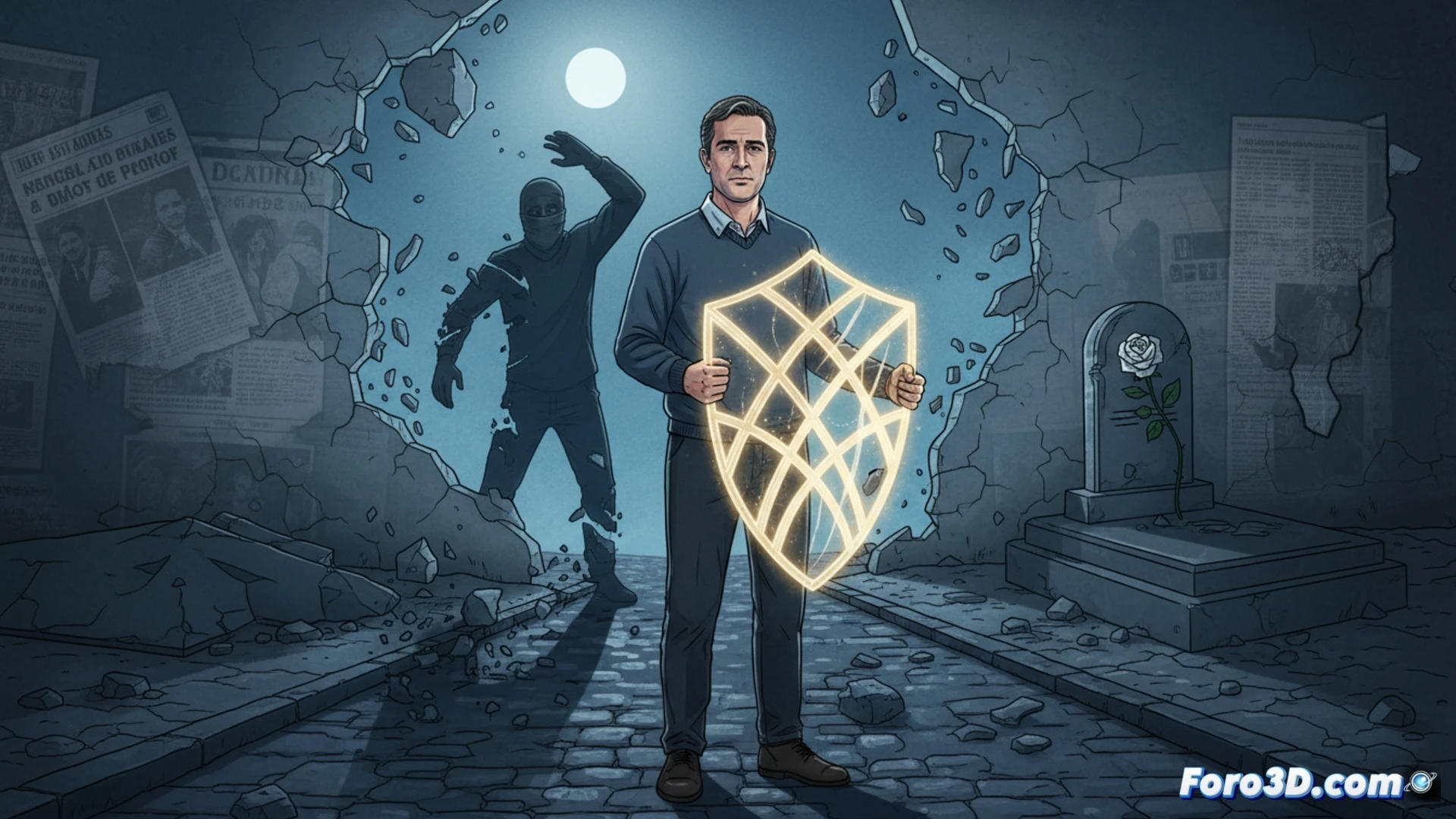
Algorithms against the selective erasure of history 🛡️
In the era of big data, the preservation of historical memory faces a technical challenge: algorithmic manipulation. While platforms like X or Facebook moderate sensitive content, decentralized archiving systems, such as blockchain, offer an immutable record. However, the true filter is not technological, but human: a clear and verifiable account, like that of Borja Giménez Abad, is the antidote to narratives that dilute the responsibility of the executioners.
The GPS that did not avoid the shot in the back 🗺️
Ironic that today we trust navigation apps not to get lost, but 25 years ago, not even the best road map prevented ETA from hitting its target at La Romareda. Technology has advanced: now cars park themselves, phones detect falls, and politicians travel with armored escorts. But GPS cannot correct the moral aim of those who still justify the unjustifiable. At least, Borja is clear about the final destination of his route: the truth.