A collaboration between the University of Hiroshima and Mitsubishi Materials Hardmetal presents an advance in the manufacturing of cemented carbide (WC-Co). They have developed an additive manufacturing method that achieves depositing this high-hardness material without the typical defects. The technique uses sintered rods and a special intermediate layer, opening a path to apply this wear-resistant material only in specific zones of a component.
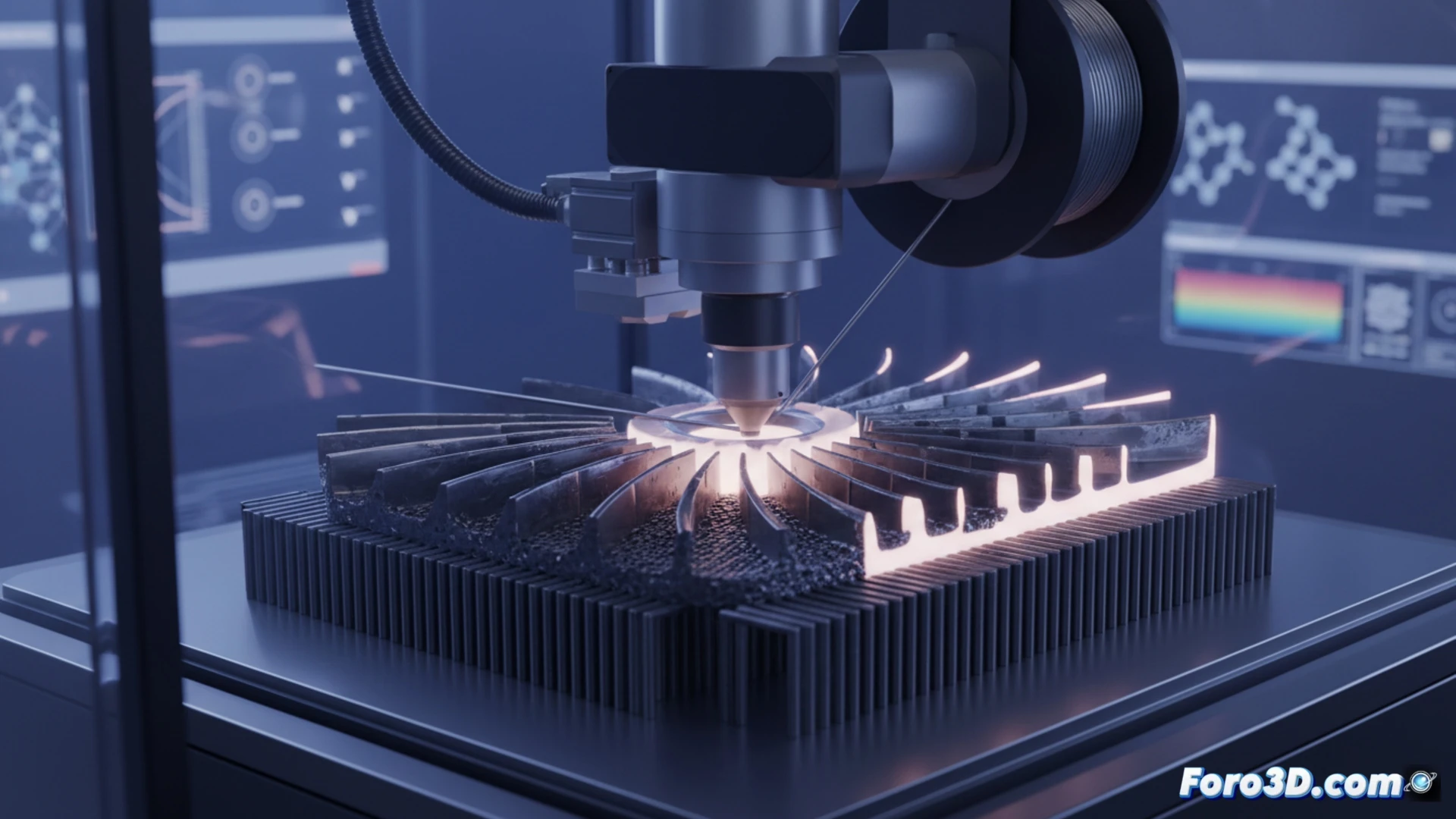
Laser Deposition Strategy and Nickel Layer 🔬
The process is distinguished by two key elements. First, it employs a leading laser deposition strategy that works with sintered material rods, instead of conventional powder. Second, it incorporates an intermediate nickel alloy layer between the substrate and the cemented carbide. This combination avoids the decomposition of tungsten carbide and reduces porosity, recurring problems in previous attempts. The result is a deposited material with a hardness exceeding 1400 HV.
Goodbye to Magic Powder, Hello to the Precision Rod ⚙️
It seems that the mantra of everything with powder in 3D printing of hard metals has a competitor. While many continue playing baker with their powder beds, these researchers opted for the solid rod route. It's like switching from a hot glue gun to a precision welder: less mess, less waste, and apparently, fewer holes where there shouldn't be any. An idea that sounds so simple that one wonders if someone before had already looked for the rod in the messy drawer of additive manufacturing.