Over four decades ago, Shigeru Miyamoto, the legendary creator of Mario, already pointed out a fundamental error in video game development: the obsession with realism. In a 1989 interview, he argued that many titles that prioritized smooth and realistic animations over gameplay ended up being failures. For him, the essence was not in imitating the physics of the real world, but in how the game feels to the player. This philosophy, born in the dawn of the industry, remains a crucial pillar of design.
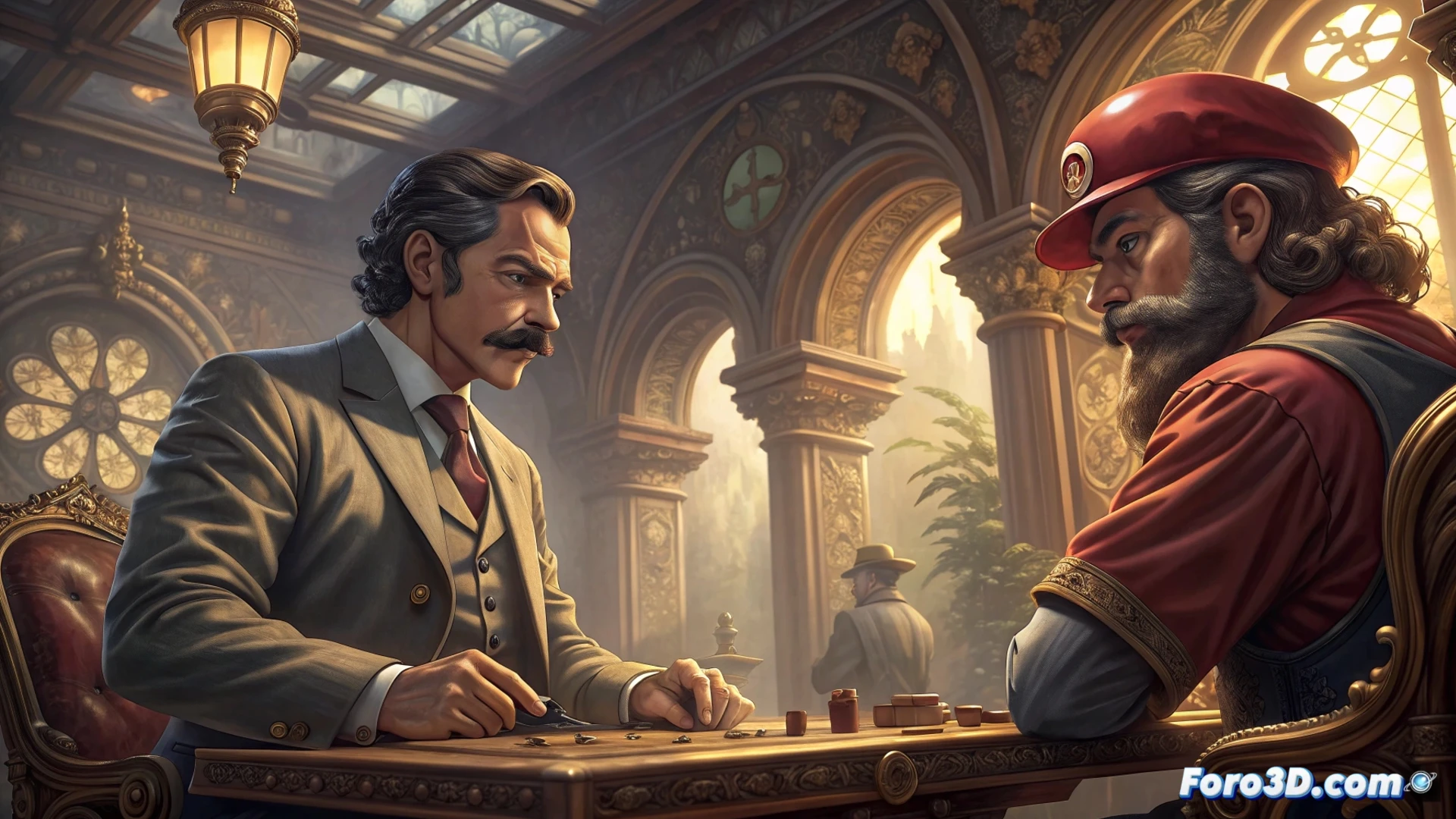
The Credibility of the Absurd: Cartoon Physics 🎨
Miyamoto illustrated his point with the evolution of Mario's jump. In Donkey Kong, the plumber jumped his own height, something plausible. In Super Mario Bros., that jump multiplied, abandoning all pretense of physical realism. The key was not fidelity, but creating a world with internally consistent and believable rules within its own absurdity. To achieve this, Miyamoto did not look to science, but to comedy cinema and classic animation, especially series like Tom and Jerry. These cartoons presented extraordinary situations under a logic accepted by the viewer, a vital lesson for designing fun and memorable mechanics in an interactive medium.
Did the Industry Learn the Lesson or Repeat the Mistake? 🤔
Today, with photorealistic graphical capabilities, Miyamoto's reflection is more relevant than ever. The industry often falls into the same trap, equating budget and quality with visual fidelity, sometimes to the detriment of gameplay innovation. The timeless lesson is clear: technology must serve the playful experience, not the other way around. The principles of classic animation that inspired Nintendo remain essential tools for creating impossible worlds that, however, we feel deeply believable and, above all, fun to inhabit.
How can we apply Miyamoto's philosophy today of prioritizing gameplay over graphical realism in the development of modern games with technologies like Ray Tracing and AI?
(P.S.: game jams are like weddings: everyone happy, no one sleeps, and you end up crying)