The gaussian splats technology, popularized in the field of volumetric video, has taken a crucial leap toward cinematographic preproduction. Proof studio has demonstrated its practical application in Jurassic World: Renaissance, using it for the previsualization of complex sequences. This technique allowed the creation of explorable virtual environments from captures with accessible equipment, offering the director a powerful tool to plan the shoot and visual effects in advance and immersively.
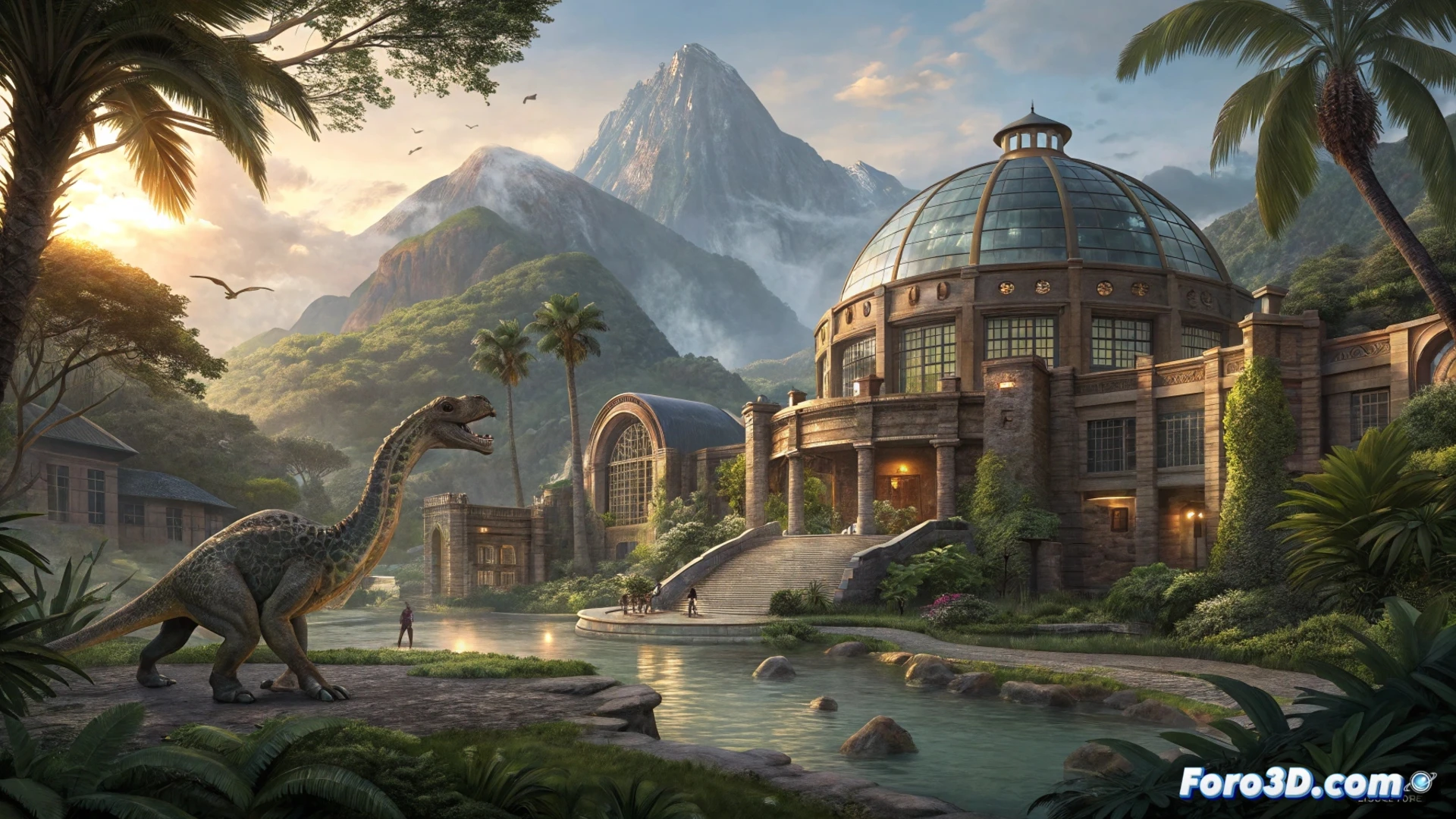
Accessible Capture and Integration in Unreal Engine 🎬
The key innovation lies in the democratization of the process. Proof used smartphones and 360-degree cameras to capture reference locations, transforming these photos into detailed point clouds using gaussian splats. These environments were imported into Unreal Engine, where they were integrated with 3D assets and a virtual camera. This allowed the director and VFX team to explore the spaces, test framing, plan camera movements, and previsualize the integration of digital creatures like the Quetzalcoatlus in a realistic context, optimizing creative and technical decisions before stepping onto the set.
The Future of Previsualization 🚀
The case of Jurassic World: Renaissance is not isolated. Studios in France and elsewhere are already adopting this methodology, signaling a paradigm shift. Gaussian splats for previs represent an efficient bridge between the real and virtual worlds, reducing costs and uncertainty. Its evolution, the subject of upcoming workshops like one in Montpellier, promises to integrate even more into production pipelines, establishing itself as a standard for visual planning in high-level cinema.
How are Gaussian Splats transforming the previsualization process and creative decision-making in large-scale cinematic productions like Jurassic World?
(P.S.: Previz in cinema is like the storyboard, but with more chances for the director to change their mind.)