CUPRA expands its electric range with a more affordable version of the Tavascan coupé SUV, equipped with a 190 HP motor and a 58 kWh battery. With 435 km WLTP range and 135 kW fast charging, this model aims to compete with Tesla or Volkswagen. Its launch is a perfect opportunity to analyze how 3D modeling and simulation tools have been crucial in the development of its electric architecture and digital systems.
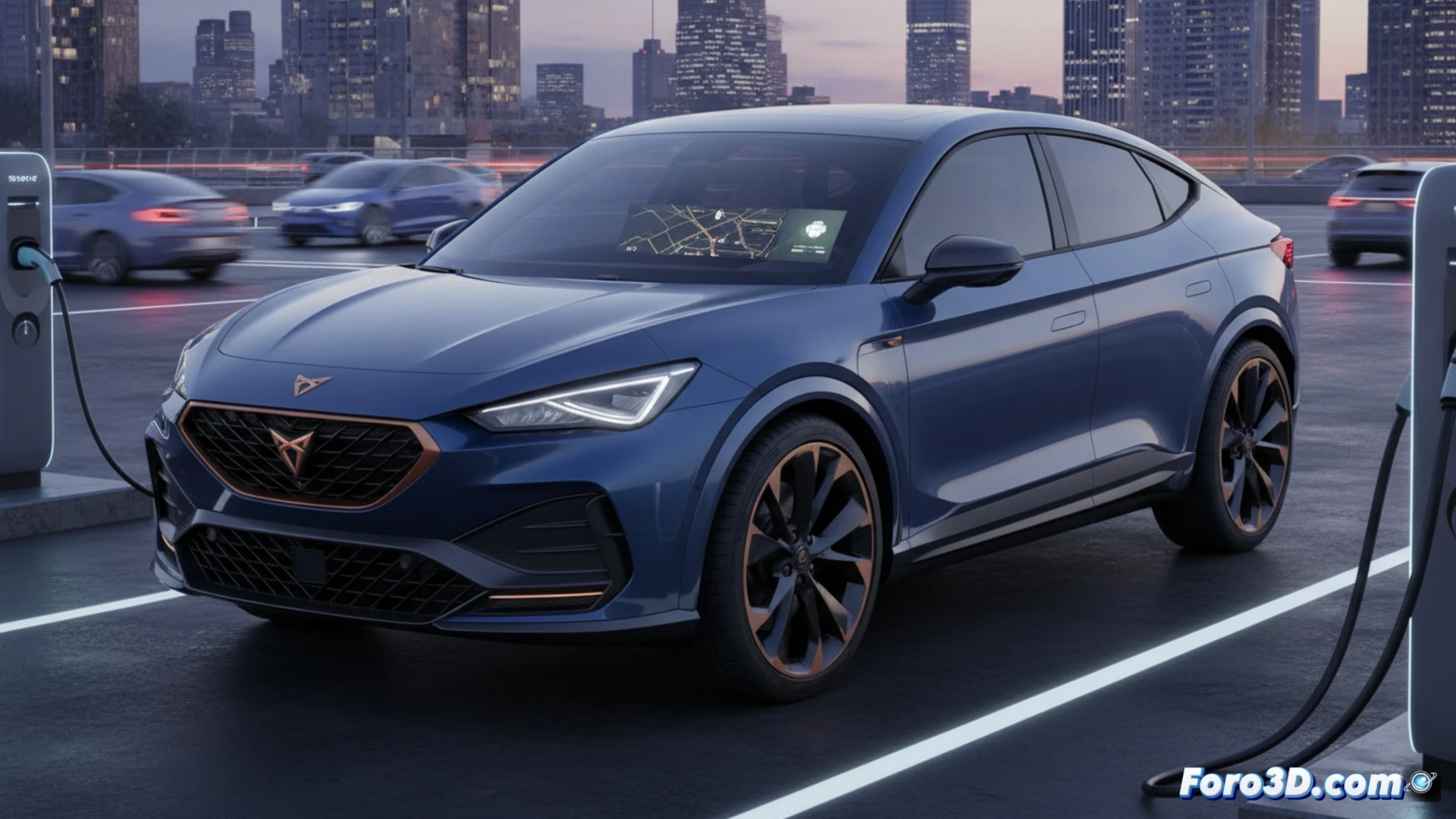
Virtual engineering: from the battery to the user interface 🖥️
The development of the Tavascan relies on 3D systems and digital twins. Computational simulation allows optimizing the battery layout, thermal management, and accurately predicting real-world range. Likewise, the design and integration of its digital screens, Android Automotive system, and intelligent climate control require detailed modeling of the user interface and its interaction with the hardware. Even ADAS and vehicle dynamics are first validated in virtual environments, reducing costs and development time.
The future of automotive design is digital 🚀
The Tavascan case evidences an unstoppable trend: 3D engineering and visualization are at the core of modern vehicle development. These technologies not only allow creating attractive designs but also simulating and refining every complex system before manufacturing a single physical prototype. For professionals in the sector, mastering these tools is already an essential skill to innovate in electric and connected mobility.
How can 3D modeling and engineering simulation optimize the weight-stiffness ratio in the structure of an electric vehicle like the entry-level CUPRA Tavascan to maximize its range with a 58 kWh battery?
(P.S.: modeling a car is easy, the hard part is making sure it doesn't turn into a box with wheels)