In the thriller movie Mercy, set in a 2029 Los Angeles, DNEG's visual effects team faced a unique challenge. Under the supervision of Chris Keller and Simon Maddison, their goal was not to create a spectacular futuristic world, but one that was believable and familiar. The philosophy was clear: avoid exaggerated science fiction clichés to prioritize subtle realism that allowed the audience to focus on the tense narrative of the accused detective Christopher Raven.
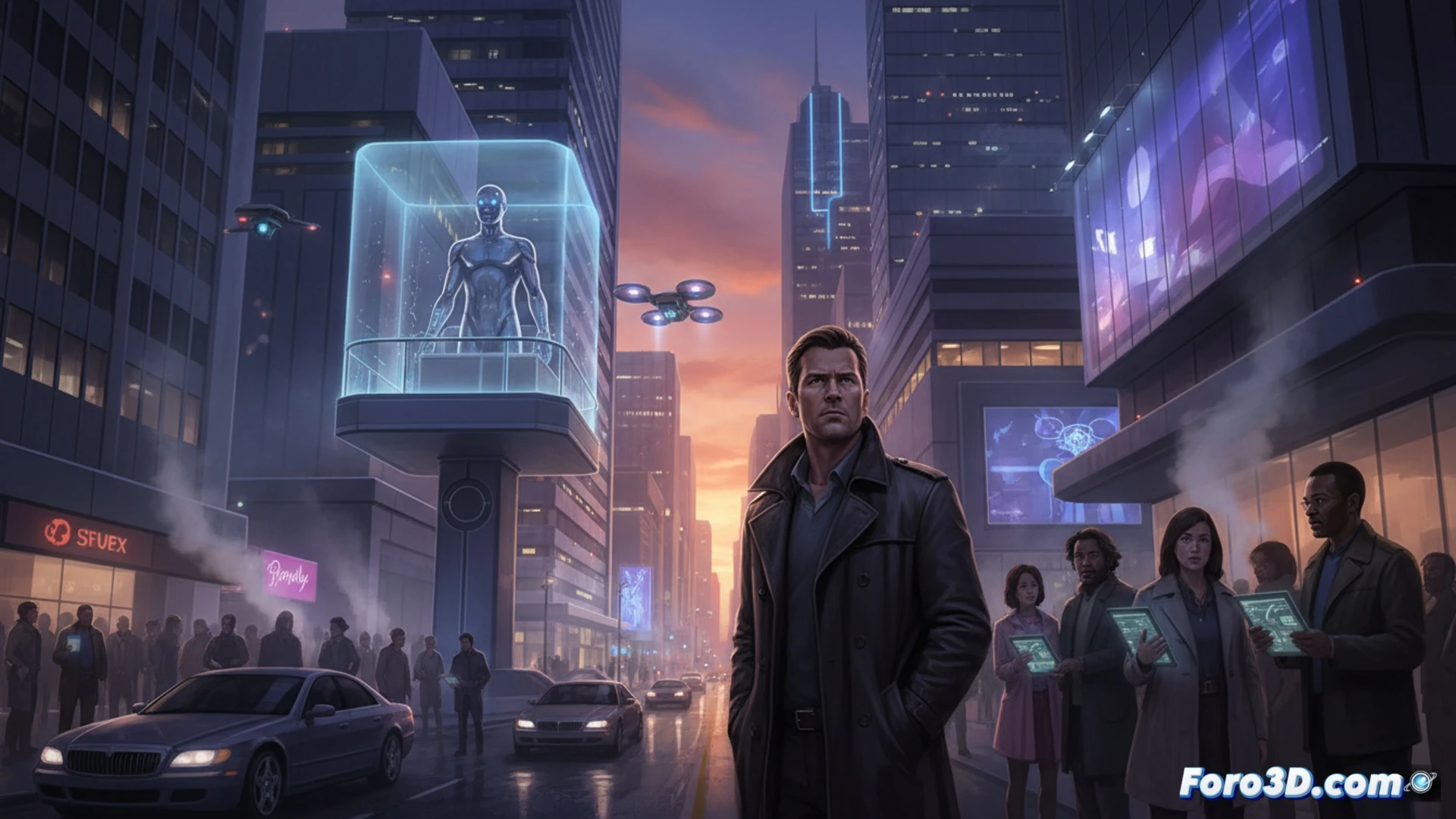
VFX Pipeline: realism based on existing references 🛠️
The workflow pipeline was based on research and adaptation of current technology. Every element, from the drones patrolling the city to the interfaces of the artificial intelligence judge, was inspired by real prototypes and designs. This approach allowed DNEG artists to extrapolate logical development, avoiding unrecognizable designs that would break immersion. The integration of these digital assets into the environments sought subtlety, using lighting and camera treatments that made them feel like an organic part of the world, not eye-catching elements. The biggest technical challenge was to make this futuristic yet believable technology serve the story without stealing the spotlight.
Subtlety as the greatest visual effect 🎬
The work on Mercy reflects on the true function of VFX in storytelling. When the design is so believable that it goes unnoticed, it facilitates the suspension of disbelief and immerses the viewer in the plot. DNEG demonstrated that the near future in cinema does not require radical inventions, but rather a sharp observation of the present and impeccable yet discreet technical execution, where visual effects are a background character, not the protagonist.
How did DNEG create a believable and atmospheric futuristic Los Angeles for Mercy without resorting to completely digital sets?
(P.S.: VFX are like magic: when they work, no one asks how; when they fail, everyone sees it.)