Artificial intelligence generates headlines, but on a film set it's just another tool. Its true value does not lie in the technology itself, but in the cinematographic knowledge of who handles it. Filmmaker Kavan Cardoza, from Phantom X, demonstrates this in his series The Chronicles of Bone, using AI to replace physical shooting and scale conceptual art, while the narrative and editing remain in human hands. The key is integration, not substitution.
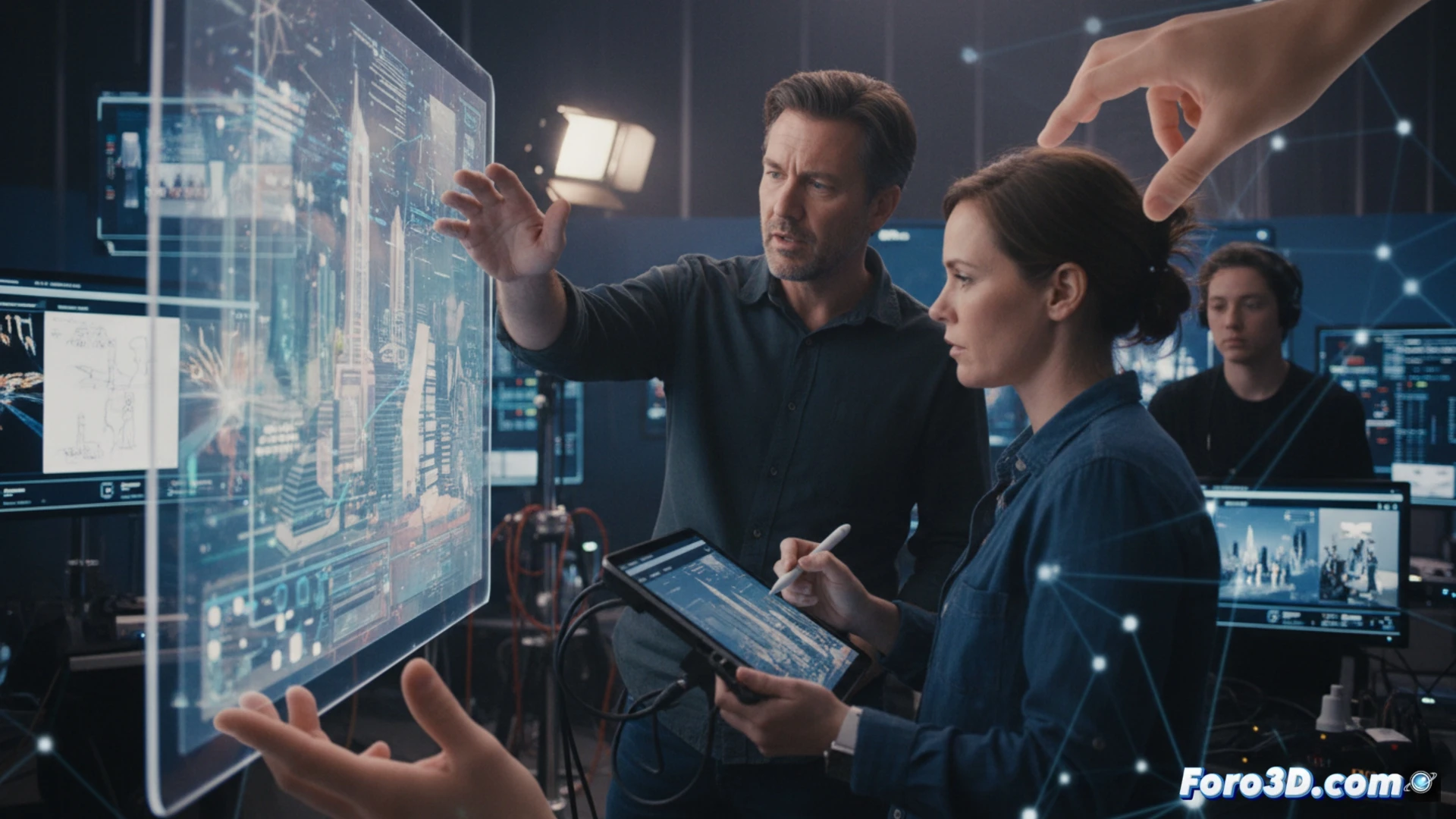
Practical case: integrating AI into a traditional pipeline 🎬
In The Chronicles of Bone, AI is mainly applied in visual development and previsualization, areas where it accelerates processes and reduces physical production costs. However, Cardoza emphasizes that his prior experience directing low-budget music videos, mastering lighting, framing, and movement, is what allows him to direct generative tools with precision. The result is not isolated images, but sequences with cinematographic coherence. AI executes, but the vision and specific technical instructions come from a director who knows the rules of visual language.
Without fundamentals, it's just a visual trick 🎭
The risk of AI in cinema is its use as an end in itself, generating striking but empty images lacking narrative and cohesion. Cardoza warns that without understanding the principles of direction, the tool becomes a mere trick. The lesson is clear: AI is a powerful accelerator for those who already have a solid film background. For others, it will be difficult to go beyond novelty and achieve true visual narrative. The future is not of AI, but of filmmakers who know how to use it.
How is AI transforming traditional roles in film production, such as the screenwriter or storyboard artist, without replacing the human creative essence?
(P.S.: Previz in cinema is like the storyboard, but with more chances for the director to change their mind.)